Extended UN Climate Talks in Brazil Highlight Fossil Fuel Disagreements
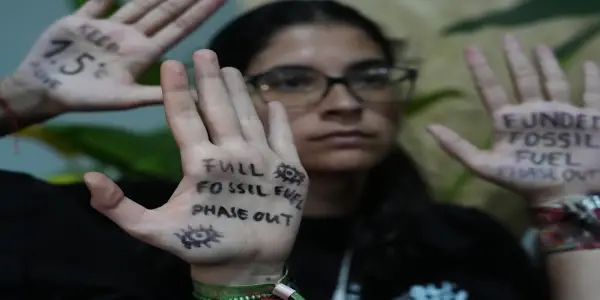
Negotiations at COP30 continue in Brazil as nations grapple with a proposed agreement that omits fossil fuel phase-out discussions, raising concerns among climate advocates.
In-depth analysis
Current environmental changes
The ongoing UN climate negotiations in Brazil reveal significant environmental challenges, particularly the absence of commitments to phase out fossil fuels. This lack of action is concerning, as fossil fuels are the leading cause of climate change, threatening the global climate goals set by the Paris Agreement.
Impact on society
The failure to address fossil fuel reliance in climate negotiations poses risks to vulnerable communities, as they face increasing climate-related disasters without the necessary support for adaptation and transition to sustainable energy.
Policy implications
The current deadlock underscores the need for a robust policy framework that balances economic interests with environmental imperatives. A clear commitment to phasing out fossil fuels, alongside financial support for developing nations, is crucial to achieving global climate goals.
Future outlook
As negotiations continue, the prospect of reaching a consensus remains uncertain. However, the urgency for decisive action grows, as exceeding the 1.5°C threshold could have dire consequences for the planet and future generations.
Did you know?
Why this concerns all of us
The outcomes of the UN climate negotiations directly affect daily life—rising energy costs, extreme weather events, and public health crises are all linked to fossil fuel dependency. Communities are already facing the consequences of climate change, from intensified storms to droughts that threaten food security. The decisions made in Brazil could either exacerbate these issues or pave the way for a more sustainable future, impacting everyone’s quality of life.
Nature's hidden secret
Surprisingly, over 80% of the world’s energy still comes from fossil fuels, despite the availability of renewable energy technologies. This stark reality highlights the deep-rooted challenges in transitioning to sustainable energy sources, revealing how entrenched fossil fuel infrastructures are in global economies.
The person whose life climate changed
Maria Gonzalez, a farmer in Central America, has seen her once-thriving avocado farm suffer due to prolonged droughts linked to climate change. With her crop yields plummeting, she faces financial instability and food scarcity. The ongoing climate negotiations feel distant to her, yet their outcomes will determine whether she receives the support needed to adapt her farming practices. Maria's story exemplifies how policy decisions resonate far beyond conference rooms, impacting lives on the ground and highlighting the urgent need for equitable climate solutions.

The Shift in Climate Discourse: Navigating the...
Deforestation-Free Beef: A Sustainable Approach...

Delhi's Toxic Air Crisis: Children Bear the Brunt...

Exploring Climate Change Through Sound: The Role...

Puffins Make Historic Return to Isle of Muck...

Revisiting Pan-African Aspirations Through the...

Foldable Phones on the Rise: 2026 Expected to...

Teachers' Unions Take a Stand Against Climate...

Portalgraph Revolutionizes 3D Visualization with...

Antarctic Robot Explorer Surfaces After Eight...

Bill Gates's Climate Remarks Spark Controversy...
Public Outcry Grows Over Severe Air Pollution in...
UN Warns 2025 Expected to Rank Among Hottest...
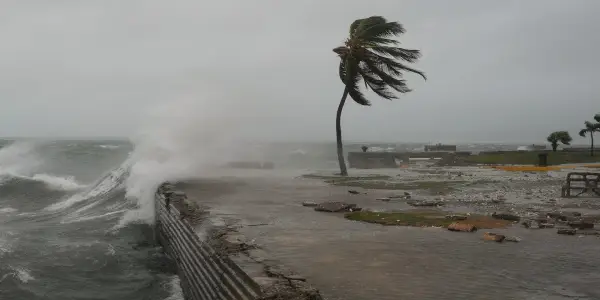
Hurricane Melissa Marks a Historic Category 5...

£9 Billion Government Initiative to Revamp...

Top Five Books Exploring the Intersection of...

Peaky Blinders: A Catalyst for West Midlands...

Dezeen Jobs Launches Initiative to Celebrate...

Recent Study Indicates Accelerated Pace of Global...

OpenAI Unveils Ambitious Vibe Coding Initiative,...

Bill Gates Advocates for Innovation as Key to...

KDE Plans to Phase Out X11 Support in Upcoming...

Joe Swash Opens Up About the Challenges of Being...
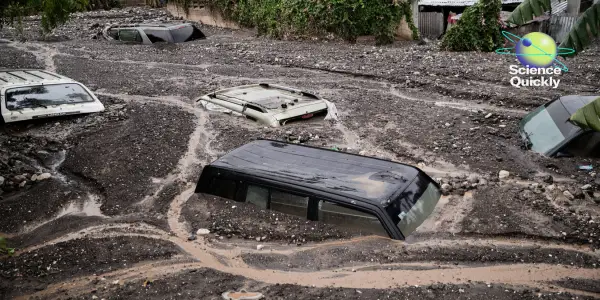
Unprecedented Strength of Hurricane Melissa Marks...

Golden Hare from Iconic Treasure Hunt Fetches...

U.S. Fish and Wildlife Service's Plan to Cull...

Can New Alcohol Warning Labels Shift Ireland's...

Massive Leak Exposes 183 Million Email Passwords:...

Startup Aims to Ignite a New Era in U.S. AI...

Conspiracy Theories Divert Attention from Genuine...

Sex Workers Launch 'Anti-OnlyFans' Platform to...

Exploring India's Innovative Eco-Retreat Crafted...

Pipeline Dispute Challenges Canada's Energy...

Addressing API Overload: A Developer's Confession

Advocating for Forest Sovereignty: A Call for...

The Deadly Impact of Plastic Ingestion on Marine...

Augusta Township Residents Mobilize Against...
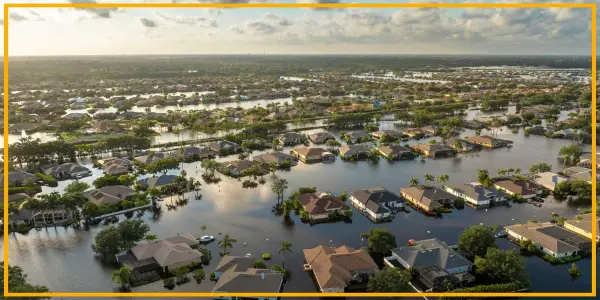
Understanding Climate Change: The Need for...

New Report Highlights Risks of Marine Carbon...

Rerouted Shipping Offers Unique Insights into...