Rethinking Intelligence: Lessons from Jane Goodall's Legacy
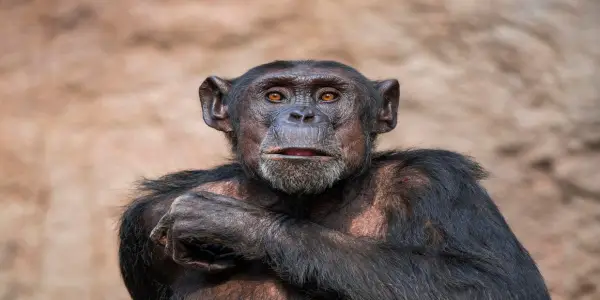
As the world navigates the integration of natural and artificial intelligence, the insights from Jane Goodall's groundbreaking research prompt a reconsideration of what intelligence truly encompasses.
In-depth analysis
Natural phenomena
Jane Goodall's research at Gombe Stream National Park revealed the complex behaviors of chimpanzees, highlighting their emotional, social, and ecological intelligences. This groundbreaking work illustrated that intelligence is not a static trait but a dynamic quality that varies across species, challenging long-standing perceptions of cognition in the animal kingdom.
Impact on communities
Goodall's findings have reshaped societal views on intelligence, promoting a more inclusive understanding that respects all forms of cognitive ability. This shift encourages communities to reconsider their relationships with non-human species and the ethical implications of their interactions.
Scientific updates
The legacy of Goodall's work continues to influence contemporary discussions about intelligence, particularly in the context of artificial intelligence. Current AI systems, while proficient in specific tasks, still lack the depth of understanding and ethical reasoning that characterize human cognition, prompting further exploration of intelligence definitions.
Future outlook
As society integrates AI into various sectors, a collaborative approach between human and artificial intelligences is essential. Policymakers and technologists are urged to develop frameworks that prioritize ethical considerations and prosocial benefits, ensuring that advancements in AI enhance rather than diminish human capabilities.
Did you know?
Why this matters for our planet
Jane Goodall's work fundamentally reshapes our relationship with the natural world. By revealing the complexities of chimpanzee intelligence, she sparked a broader conversation about the value of diverse forms of cognition. This challenges us to reconsider how we view and protect the ecosystems around us, influencing everything from conservation policies to how we interact with wildlife in our daily lives.
Earth's undiscovered wonder
Chimpanzees share nearly 99% of their DNA with humans, yet their cognitive abilities—like using tools and forming social bonds—highlight a spectrum of intelligence that remains largely unexplored. This genetic kinship offers profound insights into our own behaviors and the evolutionary paths that have shaped both species.
The voice of Earth
Marcus, 34, from Chicago, grew up fascinated by animals but felt disconnected from nature amid urban life. After reading about Jane Goodall, he began volunteering at a local wildlife rehabilitation center. One day, he watched a rescued chimpanzee mimic a caregiver's actions, sparking an epiphany. Marcus realized that intelligence isn't just human; it’s a shared thread that connects all beings. This moment ignited his passion for conservation, leading him to advocate for policies that protect habitats. Goodall's legacy transformed his view, reminding him that understanding intelligence in all its forms is crucial for preserving our planet.

Reassessing Economic Growth: Valuing Natural...
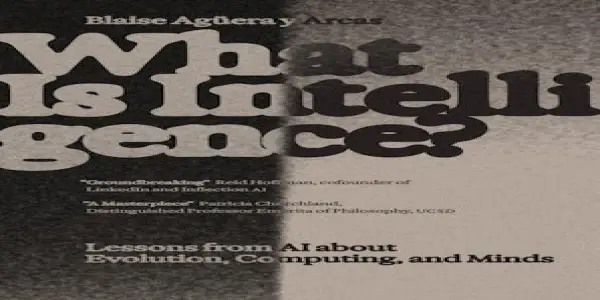
Exploring the Nature of Intelligence: Insights...
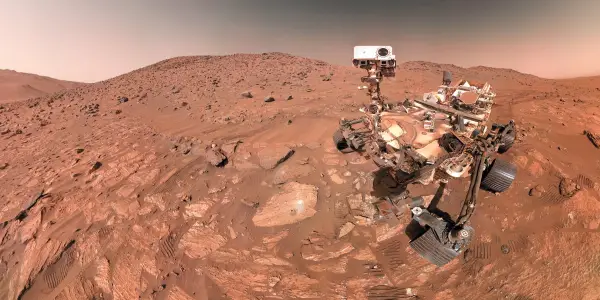
NASA's Mars Sample Return Mission Faces...
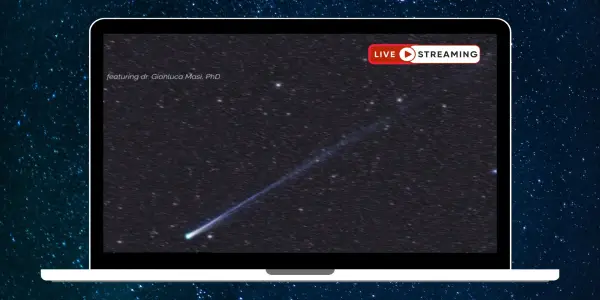
Live Stream of Comets Lemmon and SWAN Approaching...

Impact of Star Variability on Water Retention in...
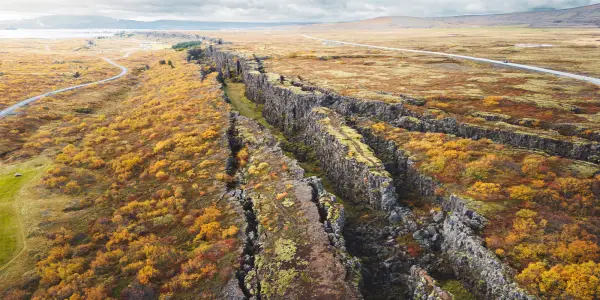
Understanding the Formation of Tectonic Plates

Draconid Meteor Shower Peaks on October 8: What...

Google Enhances Weather Forecasting with...
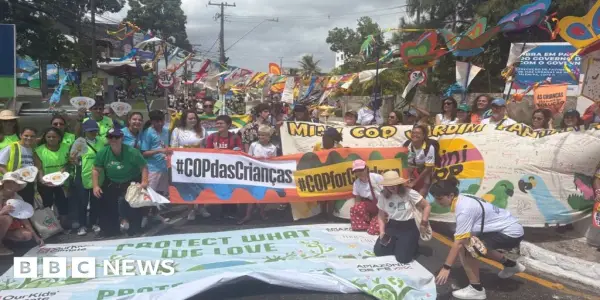
Protests Erupt at COP30 Climate Summit in Belém
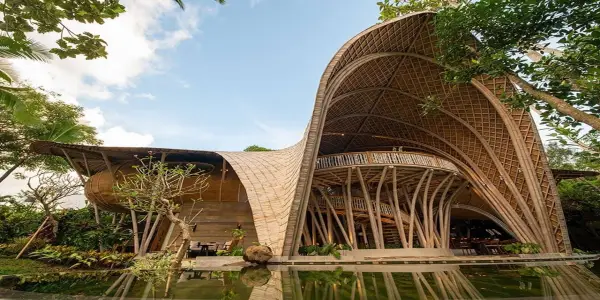
Rammed Earth Homes of 2026 Showcase Sustainable...
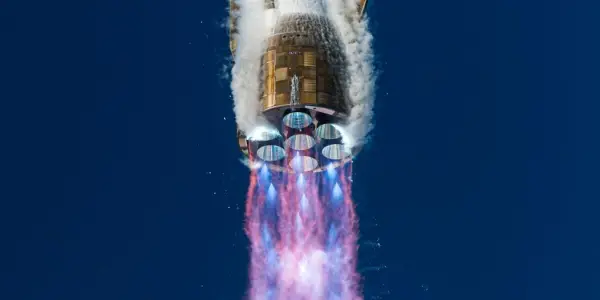
New Glenn Rocket Completes Successful Test...

New Insights from the Butterfly Nebula May...
Newly Discovered Snake Species Named After Steve...
Embracing the Light: A Reflection on Our...
Aging Stars Pose Threat to Nearby Planets, New...
Notable Aquatic Highlights from the 2025 Nature's...

Top Organic Mattresses of 2025: Birch, Avocado,...

Catherine O’Hara, Iconic Actress from...

The Impact of Disasters on Relationships: A...

Sun Emits Second-Strongest Flare of 2025, Causing...

Exploring Iterative Creativity: Pelicans on...
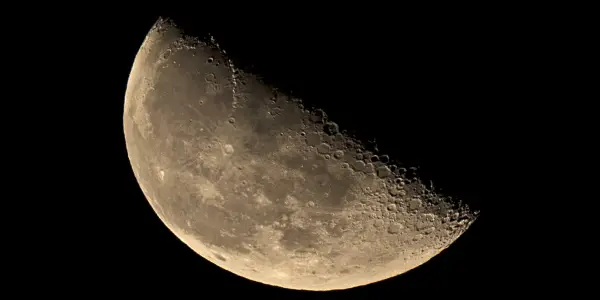
Jupiter and the Moon Align on October 13: Viewing...

Tennessee's Nature-Based Solutions for Health and...
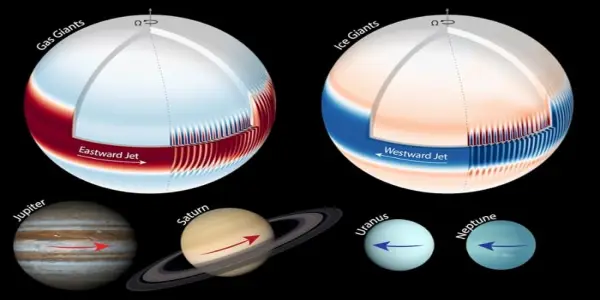
New Research Sheds Light on Jet Streams of Gas...
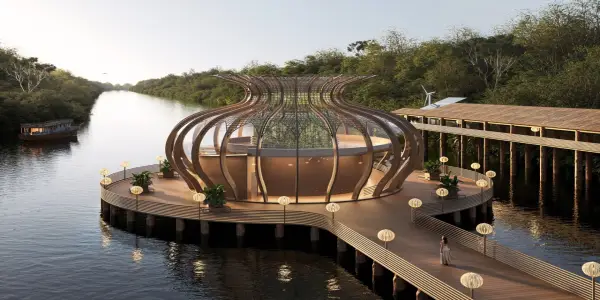
Innovative Architectural Designs Inspired by...

Exploring the Depths of Nature: Boyd Varty's...

Expansion of Texas Natural Gas Infrastructure...
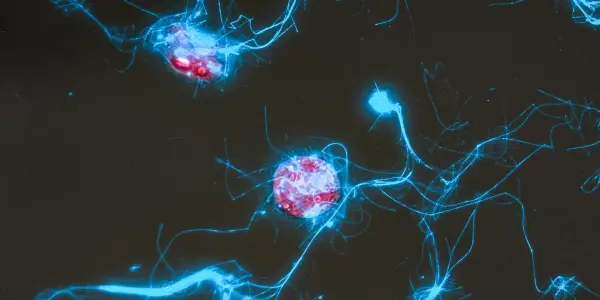
Innovative Fluorescent Probe Reveals Microbial...
Viewing Comet C/2025 R2 (SWAN) During Its October...
The Late Ordovician Mass Extinction: A Pivotal...
Catch a Glimpse of the Rare Comet Lemmon Before...

Daylight Saving Time: A Clash with Human and...

WhatsApp Security Vulnerability Exposes 3.5...

The Impact of the Three Gorges Dam on Earth's...
HEO Robotics Expands Satellite Imaging...
Indigenous Activists Challenge COP30's Rainforest...

Post-Artemis 2: What Insights Will Scientists...

Turkey Declines Rare Earth Element Sales to the...

Blue Origin's New Glenn Rocket Successfully Lands...

Political Turmoil Deepens as Another French Prime...