Iran's Capital Faces Relocation Amid Water Crisis
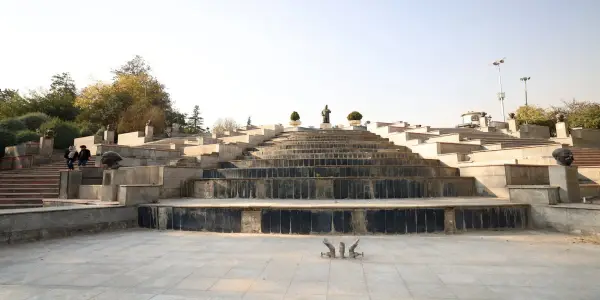
The Iranian government is considering moving the capital due to severe water shortages, a situation exacerbated by climate change and historical mismanagement.
In-depth analysis
Current environmental changes
Tehran is experiencing a severe water crisis, exacerbated by climate change and decades of poor governance. The city's aquifers are depleting rapidly, with subsidence rates exceeding 20 centimeters annually. This alarming trend is attributed to over-extraction of groundwater, resulting in a staggering loss of approximately one billion cubic meters of water each year.
Impact on society
Residents of Tehran are facing significant challenges due to the water shortage, which has been intensified by years of administrative failures. Similar crises in other global cities highlight the urgent need for effective water management strategies.
Policy implications
The potential relocation of Iran's capital raises critical questions about governance and environmental policy. It underscores the necessity for reform in water management practices and highlights the risk of using ecological issues to divert attention from political accountability.
Future outlook
The situation in Tehran serves as a cautionary tale for urban centers worldwide, emphasizing the need for sustainable practices in resource management. Without significant reforms, the city may face further environmental degradation and social unrest.
Did you know?
Why this concerns all of us
Tehran's water crisis is a cautionary tale for cities worldwide. As urban populations swell, the demand for water escalates, often outpacing supply due to mismanagement and climate change. Residents everywhere may soon face similar shortages, impacting daily life through increased costs, limited access to clean water, and potential social unrest. This crisis could redefine how cities manage their resources, urging a global reevaluation of sustainable practices.
Nature's hidden secret
Did you know that groundwater depletion can cause land to sink? In Tehran, the central plateau is subsiding by over 20 centimeters each year, resulting from excessive groundwater extraction. This phenomenon not only threatens buildings and infrastructure but also exacerbates existing water shortages, illustrating the intricate relationship between natural resources and urban planning.
The person whose life climate changed
Meet Amir, a 38-year-old shopkeeper in Tehran. For years, he relied on the city’s water supply to keep his small grocery store stocked. Now, with water shortages impacting deliveries, Amir struggles to maintain his business. He recalls a time when he could easily access fresh produce, but now, he often has to turn customers away. The thought of relocating the capital fills him with uncertainty, as it could mean the loss of his livelihood and community. Amir’s story underscores the personal stakes of environmental mismanagement, revealing how systemic issues ripple through everyday lives.

Golden Hare from Iconic Treasure Hunt Fetches...
Deforestation-Free Beef: A Sustainable Approach...
Delhi's Toxic Air Crisis: Children Bear the Brunt...

Exploring Climate Change Through Sound: The Role...
The Shift in Climate Discourse: Navigating the...
Revisiting Pan-African Aspirations Through the...

Foldable Phones on the Rise: 2026 Expected to...

Teachers' Unions Take a Stand Against Climate...

Portalgraph Revolutionizes 3D Visualization with...
Antarctic Robot Explorer Surfaces After Eight...
Bill Gates's Climate Remarks Spark Controversy...
Public Outcry Grows Over Severe Air Pollution in...
UN Warns 2025 Expected to Rank Among Hottest...
Hurricane Melissa Marks a Historic Category 5...
Navigating Climate Distress Amid Brain Injury...

Top Five Books Exploring the Intersection of...

Peaky Blinders: A Catalyst for West Midlands...
Dezeen Jobs Launches Initiative to Celebrate...
Recent Study Indicates Accelerated Pace of Global...

OpenAI Unveils Ambitious Vibe Coding Initiative,...

Bill Gates Advocates for Innovation as Key to...

KDE Plans to Phase Out X11 Support in Upcoming...

Joe Swash Opens Up About the Challenges of Being...
Unprecedented Strength of Hurricane Melissa Marks...

Puffins Make Historic Return to Isle of Muck...

U.S. Fish and Wildlife Service's Plan to Cull...

Can New Alcohol Warning Labels Shift Ireland's...

Massive Leak Exposes 183 Million Email Passwords:...

Startup Aims to Ignite a New Era in U.S. AI...

Conspiracy Theories Divert Attention from Genuine...

Sex Workers Launch 'Anti-OnlyFans' Platform to...

Exploring India's Innovative Eco-Retreat Crafted...
Pipeline Dispute Challenges Canada's Energy...

Addressing API Overload: A Developer's Confession
Advocating for Forest Sovereignty: A Call for...
The Deadly Impact of Plastic Ingestion on Marine...

Augusta Township Residents Mobilize Against...
Understanding Climate Change: The Need for...
New Report Highlights Risks of Marine Carbon...
Rerouted Shipping Offers Unique Insights into...