COP30 Climate Summit Faces Tensions Over Fossil Fuel Commitments

The ongoing UN climate summit in Belém, Brazil, has sparked significant debate over fossil fuel usage, highlighting deep divides among participating nations.
In-depth analysis
Current environmental changes
The ongoing COP30 climate summit in Belém, Brazil, highlights significant shifts in global environmental policies, particularly regarding fossil fuel commitments. As nations grapple with the urgency of climate change, the lack of references to fossil fuels in the latest draft agreement raises concerns among environmental advocates about the potential regression in efforts to curb greenhouse gas emissions.
Impact on society
The contentious negotiations at COP30 have profound implications for vulnerable populations, particularly in developing nations. The debate over fossil fuel commitments threatens to exacerbate existing inequalities and hinder necessary climate adaptation efforts.
Policy implications
The current negotiations at COP30 underscore the need for robust climate finance mechanisms to support developing countries. Without financial commitments from wealthier nations, achieving meaningful progress on fossil fuel regulations may remain elusive, complicating global climate action.
Future outlook
As discussions continue, the potential for significant advancements in renewable energy and electric vehicle adoption remains. However, the absence of firm fossil fuel commitments could jeopardize the progress made in previous climate summits and hinder future agreements.
Did you know?
Why this concerns all of us
The outcomes of the COP30 summit could reshape daily life globally, from energy costs to air quality. As countries negotiate fossil fuel commitments, the stakes rise for everyone. A successful transition could mean cleaner air and robust renewable energy jobs, while failure may lead to more extreme weather and economic instability. Our cities, health, and future generations hang in the balance.
Nature's hidden secret
Tropical forests, like those in Brazil, absorb an estimated 1.1 billion tons of carbon dioxide annually. This incredible capacity helps mitigate climate change, yet deforestation threatens their survival. Preserving these ecosystems is not just an environmental issue; it directly affects global climate stability and biodiversity.
The person whose life climate changed
Maria Costa, a farmer in rural Brazil, has felt the impact of climate change firsthand. Once able to rely on predictable rainfall for her crops, erratic weather patterns have led to harvest failures. This year, drought hit her region hard, leaving her family struggling to afford basic necessities. Maria's story is a microcosm of the larger crisis—her livelihood, once tied to the land, is now at the mercy of negotiations happening thousands of miles away. She often reflects on her children's future, fearing they might inherit a world fraught with resource scarcity and environmental devastation. Maria advocates for stronger climate action, hoping her voice will resonate at the summit and bring attention to the urgent needs of farmers like her.

Bill Gates Advocates for Innovation as Key to...
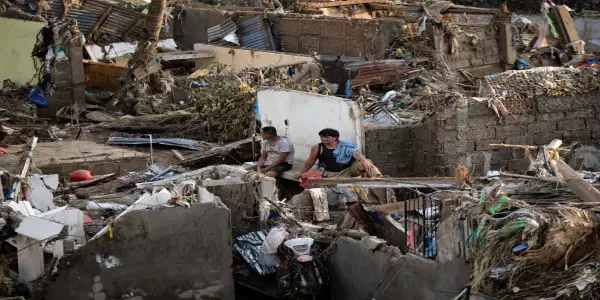
UN Warns 2025 Expected to Rank Among Hottest...

FCC Revisits Ownership Rules for Major Broadcast...

Can New Alcohol Warning Labels Shift Ireland's...

Environmental Advocates Raise Alarm Over AI Data...

New Delhi Suffers Severe Air Pollution Following...

Delhi's Toxic Air Crisis: Children Bear the Brunt...
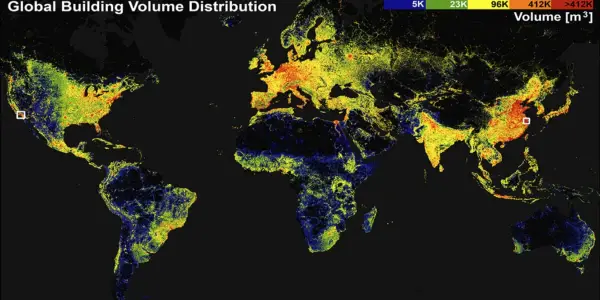
Comprehensive 3D Map Showcases Every Building on...
Advocating for Forest Sovereignty: A Call for...

Urgent Action Needed as Scientists Warn of...
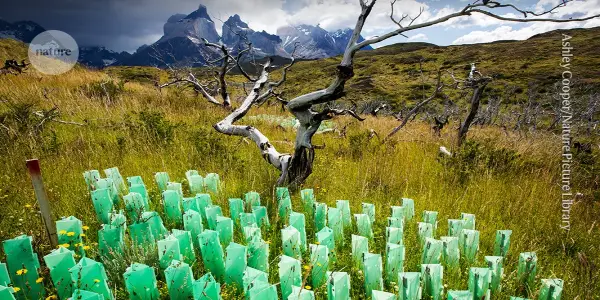
The Limitations of Carbon Credits in Combating...

OpenAI Unveils Ambitious Vibe Coding Initiative,...

Emerging Superfoods from the Amazon: Beyond Açaí

Chronic Diseases in Animals Mirror Human Health...

Portalgraph Revolutionizes 3D Visualization with...
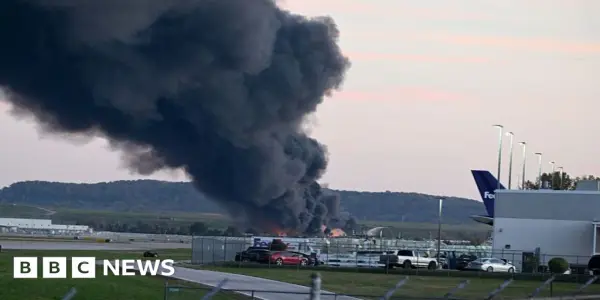
Tragic Cargo Plane Crash in Kentucky Claims Lives...

Conspiracy Theories Divert Attention from Genuine...

Rerouted Shipping Offers Unique Insights into...

Exploring Climate Change Through Sound: The Role...

Foldable Phones on the Rise: 2026 Expected to...

Debate Over Genetic Engineering of Wildlife:...
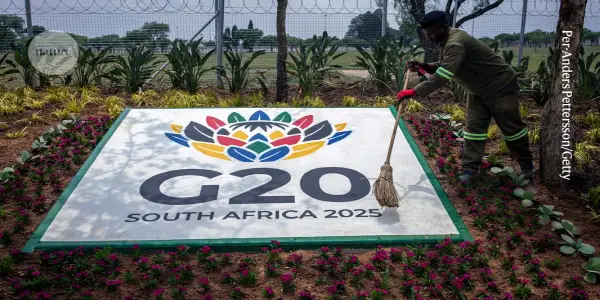
South Africa's G20 Agenda: Addressing Debt,...

Top Architectural Innovations of October 2025
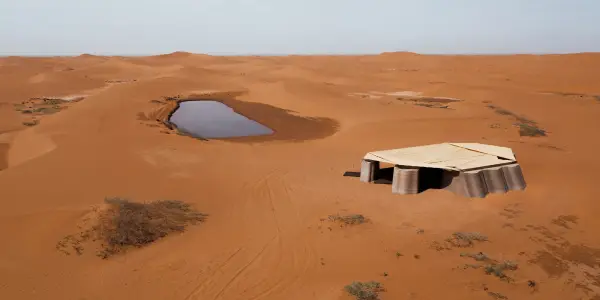
Grand Egyptian Museum Unveiled as Torre dei Conti...

The Emerging Debate on Geoengineering: A Call for...
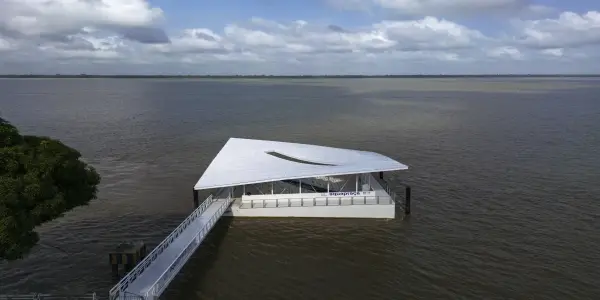
Key Outcomes from COP30: Innovations in...
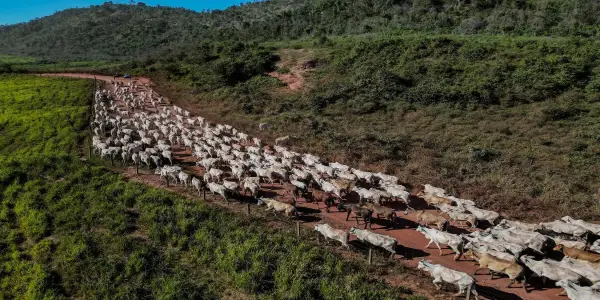
Deforestation-Free Beef: A Sustainable Approach...

The Bugatti Veyron's Unique Oil Change: A Costly...
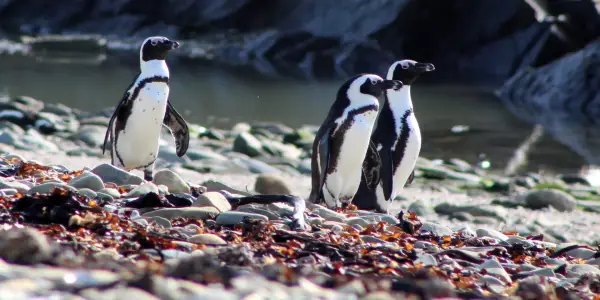
Intensified Competition Threatens African...

Brian Greene to Host Inaugural Global Space...

HELIOS: A Comprehensive Health Initiative...

Joe Swash Opens Up About the Challenges of Being...
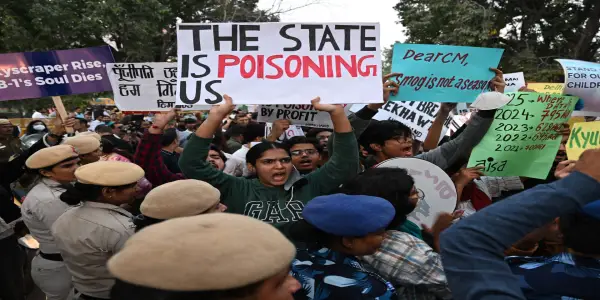
Public Outcry Grows Over Severe Air Pollution in...

Peaky Blinders: A Catalyst for West Midlands...

Impact of Global Warming on Reptile Sex Ratios...

Bill Gates's Climate Remarks Spark Controversy...

Antarctic Robot Explorer Surfaces After Eight...
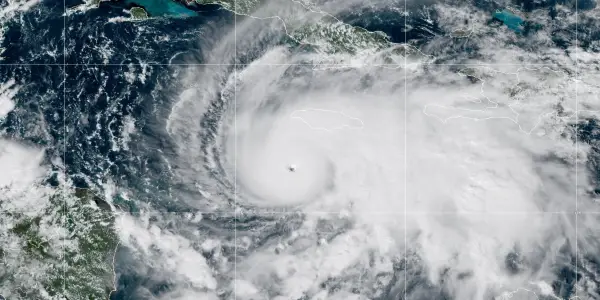
The Rapid Intensification of Hurricane Melissa...
Unprecedented Strength of Hurricane Melissa Marks...

New Lancet Report Reveals Alarming Impact of...