FCC Revisits Ownership Rules for Major Broadcast Networks

The FCC is set to review regulations on ownership of major broadcast networks, addressing concerns over media diversity and competition amid growing consolid...
In-depth analysis
Current environmental changes
The FCC is poised to reevaluate a long-standing regulation that prevents single entities from owning multiple major broadcast networks, a rule established to foster diversity and competition. As media ownership consolidates, concerns about the variety of content available to consumers are growing, reflecting a significant shift in the media landscape.
Impact on society
The potential relaxation of ownership rules could diminish the diversity of viewpoints in media, impacting public discourse and reducing consumer choice. This shift may lead to a media environment where fewer voices dominate.
Policy implications
The FCC's review of its ownership regulations carries substantial policy implications, as a decision to ease restrictions may encourage further consolidation among major networks. This could challenge the principles of transparency and accountability in media, especially under political pressures.
Future outlook
As the FCC moves forward with its assessment, the future of media ownership remains uncertain. Stakeholders are keenly aware that the outcomes may significantly reshape how television networks operate and engage with audiences in a digital era.
Did you know?
Why this concerns all of us
The FCC's review of media ownership regulations could reshape the television landscape, impacting what viewers see and hear daily. A shift toward fewer owners could limit diverse perspectives, reducing choices in news and entertainment. This matters not just for avid TV watchers but for anyone who values varied viewpoints and independent journalism in shaping public discourse and democracy.
Nature's hidden secret
Did you know that in the U.S., nearly 90% of the media is controlled by just six conglomerates? This concentration affects not only the content we're exposed to but also the narratives that dominate public conversation, illustrating the critical need for diverse ownership in media.
The person whose life climate changed
Maria Vasquez, a teacher in a small town, once relied on local broadcasts for news relevant to her community. When her favorite station was absorbed by a larger network, she noticed a shift; local stories were overshadowed by national headlines. This change left her feeling disconnected from her community’s issues. With media consolidation on the rise, Maria worries that her students will grow up in an environment where their voices and stories remain unheard, highlighting the personal stakes in the FCC's decision.
Expert Commentary

Japanese Trade Group, Including Studio Ghibli,...

Top Five Books Exploring the Intersection of...

The Shift in Climate Discourse: Navigating the...
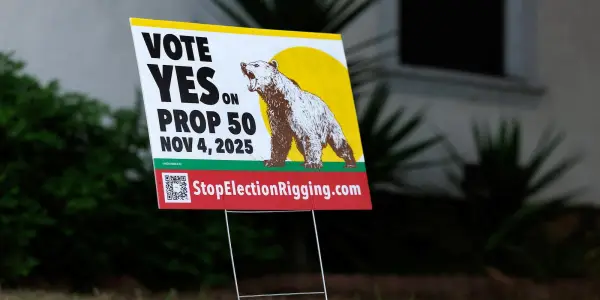
California's Proposition 50: Voters Set to...

India's Climate Adaptation Fund Faces Budget Cuts...

UN Treaty for High Seas Conservation Now Effective

New Delhi Suffers Severe Air Pollution Following...

Advocating for Forest Sovereignty: A Call for...

Efforts Underway to Preserve Japan's Unique 'Snow...

Chronic Diseases in Animals Mirror Human Health...

South Africa's G20 Agenda: Addressing Debt,...

Brian Greene to Host Inaugural Global Space...

Puffins Make Historic Return to Isle of Muck...

Cate Blanchett Joins Festive Guest Editors for...

Revival of Wild Turkeys: A Conservation Triumph...

Addressing API Overload: A Developer's Confession

Emerging Superfoods from the Amazon: Beyond Açaí

OpenAI Introduces 'Group Chats' Feature in...

AI Unveils Hidden Lion Roar, Revolutionizing...

Deforestation-Free Beef: A Sustainable Approach...

Meta Enhances Smart Glasses with Garmin and...

Sex Workers Launch 'Anti-OnlyFans' Platform to...

Guide to Setting Up and Customizing Gemini Raise...

Hurricane Melissa Marks a Historic Category 5...

New Lancet Report Reveals Alarming Impact of...

Urgent Action Needed as Scientists Warn of...

Tragic Cargo Plane Crash in Kentucky Claims Lives...

Startup Aims to Ignite a New Era in U.S. AI...

Can New Alcohol Warning Labels Shift Ireland's...

Global Rice Yields Plummet Due to Extreme...

Key Insights on the Future of Electricity Demand...

Debate Over Genetic Engineering of Wildlife:...

Apple Seeks Changes to Indian Tax Law Amid...

Introducing the Clamshell Writer Deck: A Focused...

Researchers Tackle Climate Challenges to Preserve...
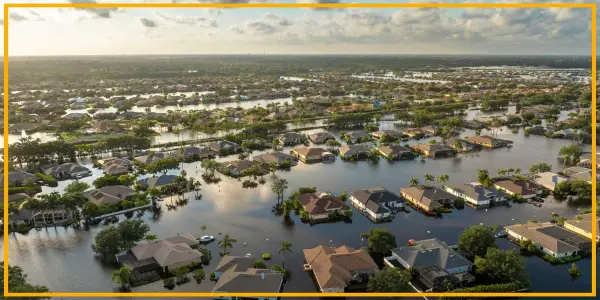
Understanding Climate Change: The Need for...

Revitalizing Wellness at Fairmont Chateau Lake...

Pacific Nations Set Ambitious Goal for 100%...

Dezeen Jobs Launches Initiative to Celebrate...

U.S. Fish and Wildlife Service's Plan to Cull...