The Hidden Health Risks of Wood-Burning Appliances in Cold Weather
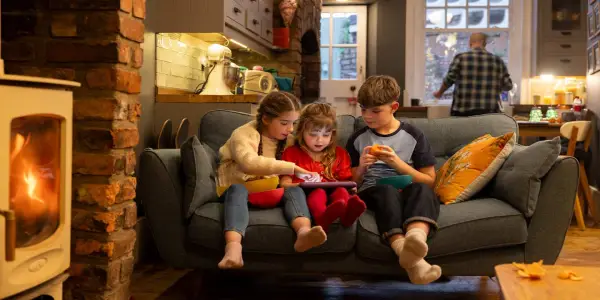
As temperatures drop, wood-burning appliances may provide warmth but also release harmful emissions linked to serious health risks. Learn more about the dang...
In-depth analysis
Current environmental changes
The increasing use of wood-burning fireplaces and stoves contributes to rising levels of particulate matter in the atmosphere, particularly PM2.5. These emissions significantly degrade air quality, with urban areas facing heightened exposure as multiple households utilize these heating methods simultaneously, leading to environmental concerns that extend beyond individual homes.
Impact on society
The health risks associated with wood smoke exposure disproportionately affect vulnerable populations, such as children and the elderly. As respiratory and cardiovascular issues become more prevalent, the societal burden of healthcare costs and lost productivity escalates, impacting community well-being.
Policy implications
Policymakers are urged to implement stricter regulations on wood-burning appliances to protect public health. Initiatives like wood-burning changeout programs can incentivize the shift to cleaner heating alternatives, thereby improving air quality and reducing health risks associated with traditional methods.
Future outlook
As awareness of the dangers of wood smoke grows, a gradual transition to cleaner heating solutions is expected. Continued advocacy and policy changes may lead to a significant reduction in wood-burning practices, fostering healthier communities and improved environmental conditions.
Did you know?
Why this concerns all of us
The impact of wood-burning appliances extends beyond individual homes, affecting entire communities. Fine particulate matter from wood smoke can drift into neighborhoods, compromising air quality and public health. As respiratory diseases rise, particularly among vulnerable populations, the consequences of these cozy fires reach into our everyday lives, influencing healthcare costs, emergency services, and the quality of life for families everywhere.
Nature's hidden secret
Did you know that burning wood emits not only PM2.5 but also volatile organic compounds (VOCs) that can linger in the air for hours? These compounds contribute to smog formation and can react with sunlight to produce ground-level ozone, a harmful pollutant that can trigger respiratory issues and exacerbate existing health problems.
The person whose life climate changed
Meet Clara Johnson, a 68-year-old retired teacher living in a bustling suburban neighborhood. For years, she cherished her evenings by the fireplace, relishing the warmth and nostalgia. However, after experiencing worsening asthma symptoms, Clara discovered her neighbor's wood-burning stove was a significant contributor to her condition. Frustrated and scared, she now advocates for cleaner heating alternatives, sharing her story at local community meetings. Clara's journey highlights the need for collective awareness and action; what once was a comforting ritual became a catalyst for change, inspiring others to reconsider their heating choices for the sake of health and the environment.
Expert Commentary
India's Climate Adaptation Fund Faces Budget Cuts...

Zaha Hadid Architects' Yidan Center Reaches...
The Overlooked Link Between Climate Change and...

Urgent Action Needed as Scientists Warn of...
Hurricane Melissa's Death Toll Reaches 28 in...
Reevaluating the Polar Bear Narrative Amid...

Key Insights Ahead of COP30 Summit in Brazil: A...

The Consensus Model at UN Climate Talks: An...
Unprecedented Strength of Hurricane Melissa Marks...

Exploring Climate Change Through Sound: The Role...

The Economic Risks of Abruptly Halting Solar...

The Emerging Debate on Geoengineering: A Call for...

Recent Study Indicates Accelerated Pace of Global...

Impact of Global Warming on Reptile Sex Ratios...

Key Insights on the Future of Electricity Demand...

Ancient Tools Illuminate Early Human Innovation...

Revitalizing Wellness at Fairmont Chateau Lake...
Deforestation-Free Beef: A Sustainable Approach...

Can New Alcohol Warning Labels Shift Ireland's...

Guide to Setting Up and Customizing Gemini Raise...
Global Climate Action in the Absence of the US: A...

The Crucible: A Test of Nerves in Snooker's Most...

Chronic Diseases in Animals Mirror Human Health...

The Shift in Climate Discourse: Navigating the...

Palantir's CEO Alex Karp Defends Company’s...


UN Treaty for High Seas Conservation Now Effective

Introducing the Clamshell Writer Deck: A Focused...

Teachers' Unions Take a Stand Against Climate...

Sex Workers Launch 'Anti-OnlyFans' Platform to...

KDE Plans to Phase Out X11 Support in Upcoming...

Doom's Programming Error Sparks Renewed Interest...
Trump's Environmental Policies Could Lead to 1.3...

Council of Europe Chief Signals Openness to...
Emerging Ocean Hotspots Heighten Risk of...
The Resilient Desert Flora Thrives in Extreme...

New Mapping of Antarctica's Subglacial Landscape...

Lab Gloves May Complicate Microplastics Research,...

Emerging Superfoods from the Amazon: Beyond Açaí