Czech Opposition Leader Assaulted at Rally Ahead of Elections
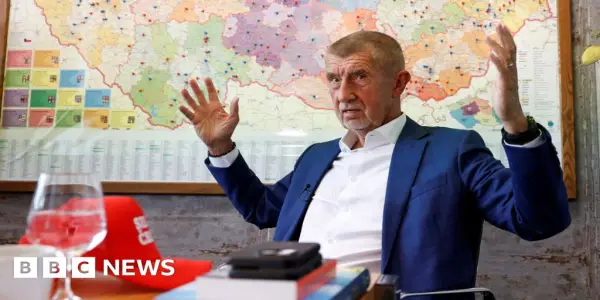
Andrej Babis, Czech opposition leader, was assaulted at a rally ahead of elections, raising alarms about rising political violence and polarization in the co...
In-depth analysis
Current environmental changes
The recent political violence in the Czech Republic reflects a deteriorating climate of civility and respect in public discourse. As tensions escalate ahead of the upcoming elections, the environment is increasingly charged, showcasing a worrying trend where aggressive behavior is becoming more normalized in political interactions, undermining democratic principles.
Impact on society
The attack on Andrej Babis has heightened fears among citizens regarding safety and the integrity of the electoral process. Such incidents can erode public trust in political institutions and discourage civic engagement.
Policy implications
This violent episode may prompt lawmakers to reconsider existing regulations surrounding political campaigning and public safety. Strengthening legal frameworks to address political violence could become a priority to ensure a secure environment for democratic participation.
Future outlook
As the general elections approach, the potential for further violence looms large, challenging the stability of the political landscape. Continuous monitoring and proactive measures will be essential to mitigate risks and foster a more respectful political atmosphere.
Did you know?
Why this concerns all of us
Political violence can ripple through society, affecting not just those directly involved but also the electorate at large. As citizens prepare to vote, an atmosphere of fear can stifle open dialogue and discourage participation in the democratic process. When political figures face violence, it sets a troubling precedent that normalizes aggression, ultimately undermining trust in institutions and governance. This impacts everyone, as a healthy democracy relies on the active engagement of its citizens.
Nature's hidden secret
Did you know that the Czech Republic has a long history of political violence dating back to the late 20th century? In the wake of the Velvet Revolution in 1989, political tensions often escalated into violent clashes, showcasing the nation's turbulent transition to democracy and highlighting the fragility of political discourse.
The person whose life climate changed
Meet Eva Novak, a 34-year-old teacher in Prague who has always engaged passionately in local politics. The recent attack on Babis left her shaken, as she recalls past rallies where she felt safe expressing her views. Now, she worries about the safety of her colleagues and students in a climate that seems to grow more hostile each election cycle. For Eva, this incident has transformed her understanding of political engagement; she's now considering how to foster a more constructive dialogue in her community, believing that education can be a powerful counter to violence. She fears that if political discourse remains charged with aggression, young people may feel disillusioned and disengaged from the very democracy meant to empower them.
Expert Commentary
The Overlooked Link Between Climate Change and...

Doom's Programming Error Sparks Renewed Interest...

UN Treaty for High Seas Conservation Now Effective
Navigating Climate Distress Amid Brain Injury...
Hurricane Melissa Marks a Historic Category 5...

Bill Gates's Climate Remarks Spark Controversy...

OpenAI Unveils Ambitious Vibe Coding Initiative,...
The Hidden Costs of the Green Transition: A...

The Hidden Costs of Men's Alcohol Consumption on...

FCC Revisits Ownership Rules for Major Broadcast...

Teachers' Unions Take a Stand Against Climate...

Augusta Township Residents Mobilize Against...

Introducing the Clamshell Writer Deck: A Focused...

Top Five Books Exploring the Intersection of...
Revisiting Pan-African Aspirations Through the...

Brian Greene to Host Inaugural Global Space...

Grand Egyptian Museum Unveiled as Torre dei Conti...
Understanding Climate Change: The Need for...
South Africa's G20 Agenda: Addressing Debt,...
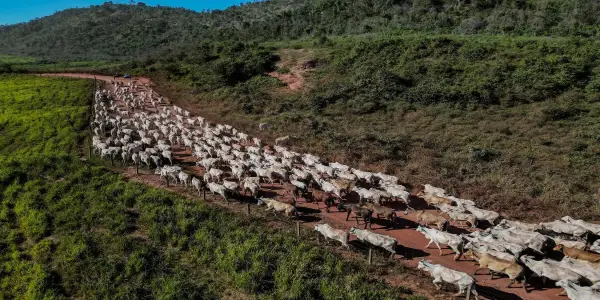
Deforestation-Free Beef: A Sustainable Approach...

Government Unveils Ambitious Overhaul of Asylum...

Advocating for Forest Sovereignty: A Call for...
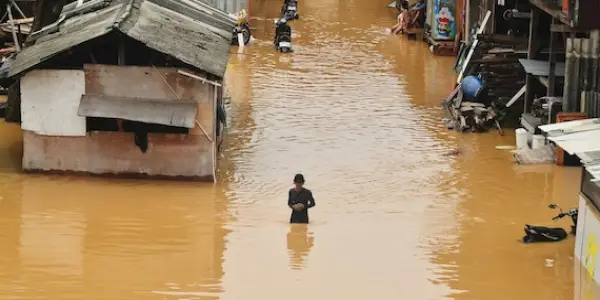
Trump's Environmental Policies Could Lead to 1.3...

Bill Gates Advocates for Innovation as Key to...

The Bugatti Veyron's Unique Oil Change: A Costly...

Japanese Trade Group, Including Studio Ghibli,...
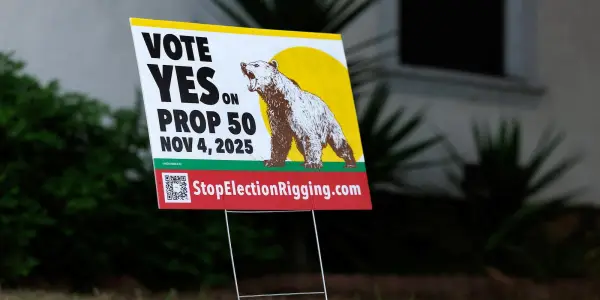
California's Proposition 50: Voters Set to...

New Lancet Report Reveals Alarming Impact of...

Apple Seeks Changes to Indian Tax Law Amid...

Environmental Advocates Raise Alarm Over AI Data...

Rising Temperatures Intensify Skin Conditions...

New Research Suggests Earth's Phosphorus Cycle...

Revitalizing Wellness at Fairmont Chateau Lake...

Top Architectural Innovations of October 2025

U.S. Fish and Wildlife Service's Plan to Cull...

HELIOS: A Comprehensive Health Initiative...

Chronic Diseases in Animals Mirror Human Health...

Foldable Phones on the Rise: 2026 Expected to...

Joe Swash Opens Up About the Challenges of Being...

Intensified Competition Threatens African...