Understanding CPU Utilization in Embedded Systems: A Complex Reality
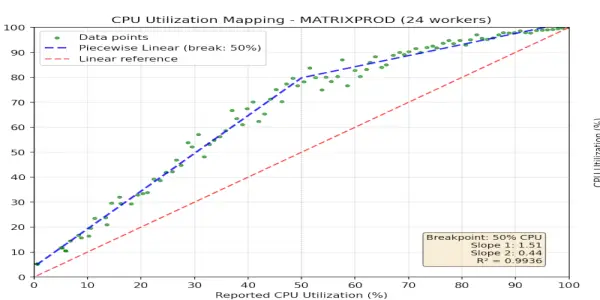
The common belief in corporate environments that CPU usage should be capped at 80% reflects outdated practices that do not account for modern processing capabilities.
In-depth analysis
Current environmental changes
The traditional guideline of limiting CPU utilization to 80% is becoming outdated due to advancements in multi-core processor technology. Modern CPUs can dynamically allocate resources across cores, enabling them to handle heavier workloads more efficiently. This evolution necessitates a reevaluation of how CPU performance is understood and measured in current embedded systems development.
Impact on society
The shift in understanding CPU utilization directly affects developers and organizations relying on embedded systems. Enhanced performance capabilities can lead to more efficient applications, ultimately benefiting industries that depend on these technologies.
Policy implications
Organizations must revise their performance assessment policies to reflect the complexities of modern CPU architecture. By adopting a more nuanced approach to testing, companies can ensure their applications meet performance expectations without being hindered by outdated utilization limits.
Future outlook
As technology continues to advance, the need for sophisticated performance evaluation methods will grow. Developers are likely to adopt innovative strategies for optimizing CPU utilization, paving the way for enhanced efficiency in embedded systems.
Did you know?
Why this concerns all of us
The evolution of CPU utilization guidelines affects everything from smartphone performance to the responsiveness of smart home devices. As developers embrace modern, multi-core architectures, consumers can expect faster, more reliable technology. This impacts daily tasks—from streaming videos without buffering to seamless online gaming. Understanding these changes can empower users to make informed choices about the technology they rely on.
Nature's hidden secret
Despite conventional wisdom suggesting that 80% CPU usage is optimal, studies reveal that modern CPUs can function effectively at much higher loads. Some multi-core processors can maintain performance even at 100% utilization, thanks to sophisticated resource management, fundamentally changing how we assess system capabilities.
The person whose life climate changed
Meet Sarah, a software engineer at a tech startup developing IoT devices. Recently, her team faced performance issues with their latest product, a smart thermostat. Relying on outdated CPU utilization guidelines, they struggled to optimize their application. After learning about the nuances of modern CPU performance, Sarah led a pivotal shift in their development strategy. By implementing low-priority tasks to test actual CPU capabilities, the team enhanced the thermostat's responsiveness significantly. This not only improved the product but also reduced energy consumption, making it more appealing to eco-conscious consumers. Sarah's experience highlights the importance of adapting to new technological landscapes, showing how understanding CPU dynamics can lead to smarter, more efficient solutions.
Expert Commentary

Japanese Trade Group, Including Studio Ghibli,...

Top Five Books Exploring the Intersection of...

The Shift in Climate Discourse: Navigating the...

California's Proposition 50: Voters Set to...

India's Climate Adaptation Fund Faces Budget Cuts...

UN Treaty for High Seas Conservation Now Effective

New Delhi Suffers Severe Air Pollution Following...

Advocating for Forest Sovereignty: A Call for...

Efforts Underway to Preserve Japan's Unique 'Snow...

Chronic Diseases in Animals Mirror Human Health...

South Africa's G20 Agenda: Addressing Debt,...

Brian Greene to Host Inaugural Global Space...

Puffins Make Historic Return to Isle of Muck...

Cate Blanchett Joins Festive Guest Editors for...

Revival of Wild Turkeys: A Conservation Triumph...

Addressing API Overload: A Developer's Confession

Emerging Superfoods from the Amazon: Beyond Açaí

OpenAI Introduces 'Group Chats' Feature in...

AI Unveils Hidden Lion Roar, Revolutionizing...

Deforestation-Free Beef: A Sustainable Approach...

Meta Enhances Smart Glasses with Garmin and...

Sex Workers Launch 'Anti-OnlyFans' Platform to...

Guide to Setting Up and Customizing Gemini Raise...

Preserving Modern Jewelry and Vintage Heirlooms:...

New Lancet Report Reveals Alarming Impact of...

Urgent Action Needed as Scientists Warn of...

Tragic Cargo Plane Crash in Kentucky Claims Lives...

Startup Aims to Ignite a New Era in U.S. AI...

Can New Alcohol Warning Labels Shift Ireland's...

Global Rice Yields Plummet Due to Extreme...

Key Insights on the Future of Electricity Demand...

Debate Over Genetic Engineering of Wildlife:...

Apple Seeks Changes to Indian Tax Law Amid...

Introducing the Clamshell Writer Deck: A Focused...

Golden Hare from Iconic Treasure Hunt Fetches...

Understanding Climate Change: The Need for...

Revitalizing Wellness at Fairmont Chateau Lake...

Pacific Nations Set Ambitious Goal for 100%...

Dezeen Jobs Launches Initiative to Celebrate...

U.S. Fish and Wildlife Service's Plan to Cull...