Mixed Reactions Follow COP30 Climate Agreement in Brazil
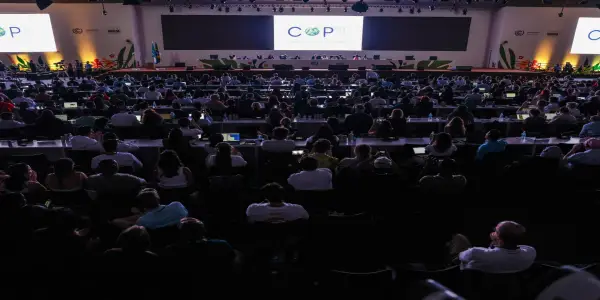
The recent UN climate conference in Belem yields a deal that calls for enhanced climate action, yet many advocates argue it lacks the necessary commitment to phase out fossil fuels.
In-depth analysis
Current environmental changes
The COP30 conference in Belem, Brazil, underscored the urgent need for enhanced climate action amid ongoing environmental changes. The agreement reached highlights the critical role of reducing fossil fuel dependency, yet it lacks a definitive commitment to phase out these energy sources, a significant factor in global greenhouse gas emissions.
Impact on society
The recent COP30 agreement has sparked concern among various societal groups, particularly climate advocates and indigenous communities, who feel the deal falls short of necessary action to address climate change's profound impacts on vulnerable populations.
Policy implications
The outcomes of COP30 present significant policy implications, particularly for developed nations, which are urged to increase financial support for developing countries. This financial commitment is crucial for enabling climate adaptation and fostering equitable transitions away from fossil fuels.
Future outlook
Looking ahead, the global community faces the challenge of bridging the gap between current commitments and scientific recommendations. The effectiveness of COP30's agreements will heavily depend on the implementation of robust policies aimed at reducing emissions and supporting vulnerable nations.
Did you know?
Why this concerns all of us
The decisions made at COP30 will ripple through our daily lives—impacting everything from energy prices to food security. For instance, an increase in funding for developing nations could lead to better agricultural practices, which benefits global food supply chains. Conversely, a lack of progress on phasing out fossil fuels could result in more extreme weather events, disrupting lives and livelihoods across the globe.
Nature's hidden secret
Did you know that tropical forests, like those in Brazil, store more carbon than any other ecosystem? They absorb approximately 1.1 billion tons of carbon dioxide annually, playing a crucial role in regulating the Earth's climate. Protecting these forests is essential, not just for biodiversity but for our own survival.
The person whose life climate changed
Meet Ana Clara, a 34-year-old farmer in the Brazilian Amazon. For years, her family farm thrived on the natural resources around them. But as climate change intensified, erratic weather patterns devastated her crops, forcing her to adapt rapidly. The recent COP30 discussions brought her hope, yet also frustration, as she feels the urgency of her situation is often lost in political negotiations. Ana dreams of a sustainable future, where her children can farm without fear of climate disruptions. The funding promised to developing nations is crucial for her community's survival, yet she worries it won't be enough or come fast enough.

Puffins Make Historic Return to Isle of Muck...
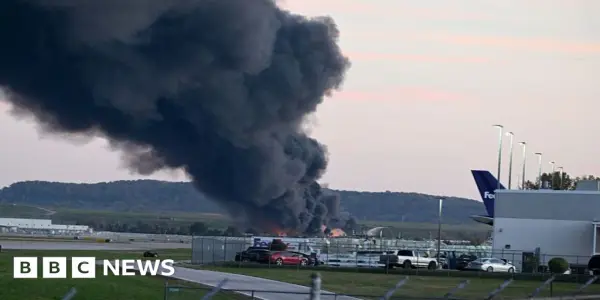
Tragic Cargo Plane Crash in Kentucky Claims Lives...

Revitalizing Wellness at Fairmont Chateau Lake...
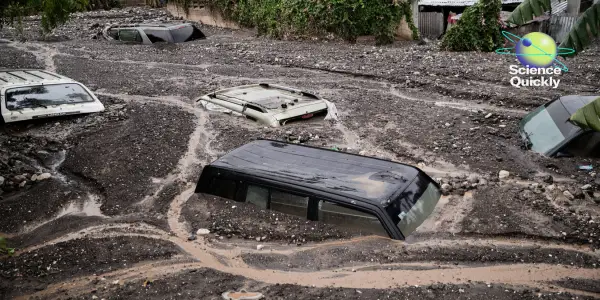
Unprecedented Strength of Hurricane Melissa Marks...

Grand Egyptian Museum Unveiled as Torre dei Conti...
Decline in Indian Passport Ranking Despite...
The Resilient Desert Flora Thrives in Extreme...

Fisher Makes Historic Return to Ohio Forests...
Reevaluating the Polar Bear Narrative Amid...
Scientists Warn Earth Has Reached Critical...
Revisiting India's Air Quality Standards Amid...
Hurricane Melissa Marks a Historic Category 5...
UN Treaty for High Seas Conservation Now Effective
Lawsuit Alleges Tesla Wrongfully Terminated Deaf...
Trump's Environmental Policies Could Lead to 1.3...
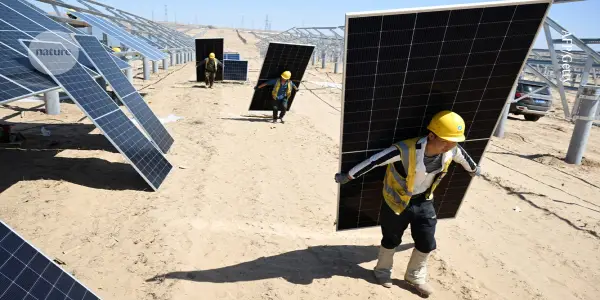
Global Climate Action in the Absence of the US: A...
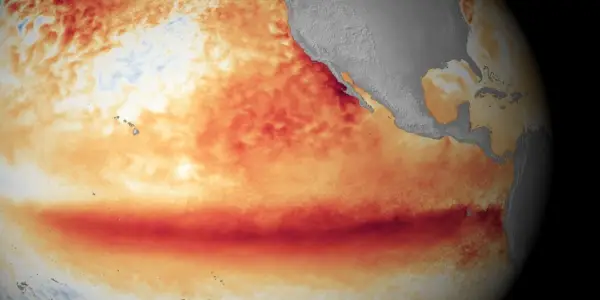

The Consensus Model at UN Climate Talks: An...
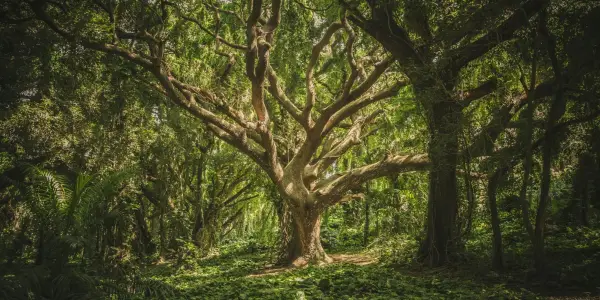
Advocating for Forest Sovereignty: A Call for...

KDE Plans to Phase Out X11 Support in Upcoming...

Sex Workers Launch 'Anti-OnlyFans' Platform to...

Palantir's CEO Alex Karp Defends Company’s...

New Report Highlights Risks of Marine Carbon...
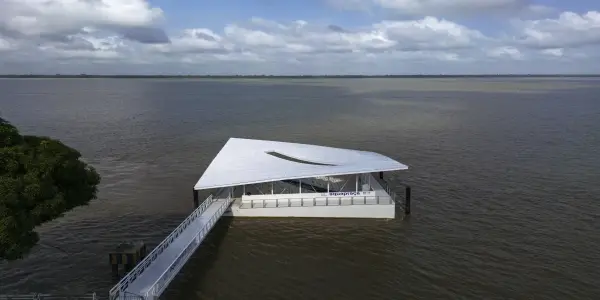
Key Outcomes from COP30: Innovations in...
Antarctic Robot Explorer Surfaces After Eight...

Marvel Gears Up for a Major Avengers Event:...

Golden Hare from Iconic Treasure Hunt Fetches...
New Mapping of Antarctica's Subglacial Landscape...

Research Uncovers Factors Behind Weight Gain...

Japanese Trade Group, Including Studio Ghibli,...


OpenAI Introduces 'Group Chats' Feature in...

Study Reveals Airborne Microplastics May...

AI's Water Consumption May Soon Match That of 10...
The Economic Risks of Abruptly Halting Solar...
The Rapid Intensification of Hurricane Melissa...

Spring Studio Integrates Biomaterials for...

Guide to Setting Up and Customizing Gemini Raise...

Urgent Action Needed as Scientists Warn of...

Exploring Climate Change Through Sound: The Role...