WHO Issues Urgent Call to Address Workplace Risks from Extreme Heat
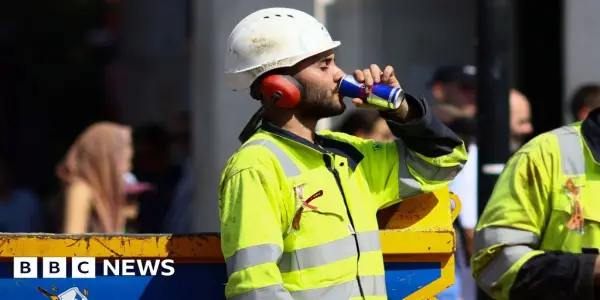
The WHO urges immediate action to combat workplace risks from extreme heat, highlighting serious health impacts and the need for collaboration among all stak...
In-depth analysis
Current environmental changes
The World Health Organization's report highlights alarming trends in extreme heat exposure, particularly in the workplace. With the last decade being the hottest on record and 2023 setting new temperature highs, workers across various sectors face significant health risks due to rising temperatures. This situation demands urgent attention and proactive measures.
Impact on society
Extreme heat poses severe risks not only to workers but also to vulnerable populations, including the elderly and children. The potential for increased health complications and reduced productivity could exacerbate existing social inequalities, making it a pressing concern for communities worldwide.
Policy implications
The WHO's findings call for immediate policy interventions to protect workers from heat-related stress. Governments must collaborate with employers and labor unions to create effective adaptation strategies, such as implementing emergency protocols and ensuring safe working conditions, particularly in high-risk industries.
Future outlook
As climate change continues to escalate, the need for comprehensive strategies to address heat exposure will only grow. Without proactive measures, the economic and health impacts of extreme heat could become increasingly severe, necessitating urgent action from all sectors of society.
Did you know?
Why this concerns all of us
Extreme heat in workplaces is not just a concern for those directly affected; it impacts everyone. As productivity declines with rising temperatures, goods and services may become more expensive or harder to access. Moreover, the health risks associated with heat stress can lead to increased healthcare costs that affect public systems. Ultimately, we all share the responsibility of ensuring safe working conditions, as these are integral to our economy and community well-being.
Nature's hidden secret
Did you know that certain plants can actually help mitigate extreme heat in urban areas? Trees and vegetation can lower surrounding temperatures by up to 10 degrees Fahrenheit through a process called evapotranspiration. This natural cooling effect not only benefits workers but also enhances overall urban livability, showcasing the importance of green spaces in combating climate-related health risks.
The person whose life climate changed
Meet Elena, a construction worker in Florence, Italy, who has spent the last decade building homes under the scorching sun. Last summer, she experienced severe heat exhaustion after a particularly long day in 100-degree heat. This incident forced her to rethink her work-life balance and advocate for safer conditions. With the new emergency protocol in place, Elena feels a mix of relief and gratitude. No longer does she risk her health for a deadline; instead, she sees a future where her colleagues and she can work without fear of the heat, allowing them to focus on both productivity and safety.
Expert Commentary
New Report Reveals Fossil Fuel Connections Among...
New Delhi Suffers Severe Air Pollution Following...

Pipeline Dispute Challenges Canada's Energy...

The Bugatti Veyron's Unique Oil Change: A Costly...

Dezeen Jobs Launches Initiative to Celebrate...

Rising Temperatures Intensify Skin Conditions...

Peaky Blinders: A Catalyst for West Midlands...
Navigating Climate Distress Amid Brain Injury...

Can New Alcohol Warning Labels Shift Ireland's...

Top Five Books Exploring the Intersection of...
The Limitations of Carbon Credits in Combating...

MindsEye Developers Criticize Leadership Over...

Perrier-Jouët and Design Miami Launch Inaugural...

U.S. Fish and Wildlife Service's Plan to Cull...

OpenAI Unveils Ambitious Vibe Coding Initiative,...

Portalgraph Revolutionizes 3D Visualization with...

OpenAI Introduces 'Group Chats' Feature in...

Startup Aims to Ignite a New Era in U.S. AI...
New Report Indicates Coral Reefs May Have Reached...

Joe Swash Opens Up About the Challenges of Being...
UN Warns 2025 Expected to Rank Among Hottest...

Nike and LEGO Collaborate to Redesign Playground...
Researchers Tackle Climate Challenges to Preserve...

KDE Plans to Phase Out X11 Support in Upcoming...

Meta Enhances Smart Glasses with Garmin and...

Conspiracy Theories Divert Attention from Genuine...

Intensified Competition Threatens African...

AI Unveils Hidden Lion Roar, Revolutionizing...

Puffins Make Historic Return to Isle of Muck...

Unexpected Shift in North Pacific Storm Track...

Teachers' Unions Take a Stand Against Climate...
Deforestation-Free Beef: A Sustainable Approach...

The Shift in Climate Discourse: Navigating the...

South Africa's G20 Agenda: Addressing Debt,...

Antarctic Robot Explorer Surfaces After Eight...

Revisiting Pan-African Aspirations Through the...

Rerouted Shipping Offers Unique Insights into...

Hurricane Melissa Marks a Historic Category 5...

Pacific Nations Set Ambitious Goal for 100%...

Foldable Phones on the Rise: 2026 Expected to...