Divisions on Fossil Fuels Persist as COP30 Climate Summit Concludes in Brazil
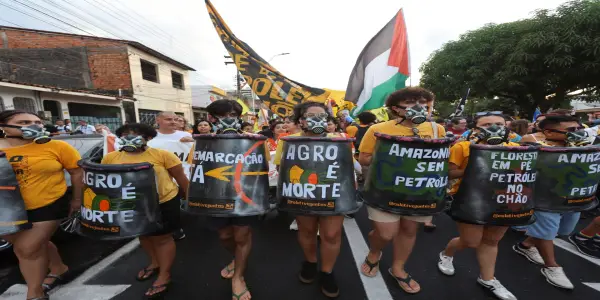
Divisions over fossil fuels remain unresolved as COP30 wraps up in Brazil, with criticism mounting over the lack of a clear transition plan in the new proposal.
In-depth analysis
Current environmental changes
As COP30 unfolds in Belem, Brazil, the absence of a definitive strategy for phasing out fossil fuels has become a focal point of contention. This reflects ongoing environmental degradation, as nations grapple with the urgent need to address climate change while facing resistance from major fossil fuel producers, complicating collective efforts for sustainable practices.
Impact on society
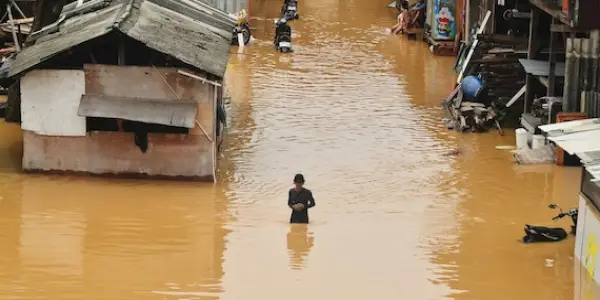
The ongoing negotiations are critical for communities already affected by climate change, facing flooding and agricultural failures. The lack of a unified approach to fossil fuel reduction threatens to exacerbate these vulnerabilities, impacting livelihoods and amplifying social inequalities.
Policy implications
The divisions at COP30 highlight the challenges of achieving a consensus on fossil fuel policies. Without a clear commitment to transitioning away from nonrenewable energy sources, future climate agreements may lack the necessary framework to ensure equitable support for affected nations and communities.
Future outlook
As discussions continue, the potential for a comprehensive climate agreement remains uncertain. The effectiveness of proposed climate finance measures and the willingness of nations to commit to significant changes will ultimately shape the trajectory of global environmental policy.
Did you know?
Why this concerns all of us
The outcomes of COP30 will shape the future of energy policy worldwide, impacting everyone from urban dwellers to rural farmers. As nations grapple with climate change, the absence of a clear fossil fuel transition plan could lead to increased energy costs and environmental degradation. Communities relying on stable weather patterns for agriculture or livelihoods in flood-prone areas will feel the immediate effects of these negotiations—or the lack thereof.
Nature's hidden secret
Did you know that the Amazon rainforest, often referred to as the 'lungs of the Earth,' produces over 20% of the world's oxygen? This vital ecosystem is not just a carbon sink but also home to an estimated 390 billion individual trees, making it critical in the fight against climate change.
The person whose life climate changed
Ana Beatriz, a 34-year-old farmer from the outskirts of Belem, saw her rice fields inundated by severe flooding last year. The loss of her crops not only threatened her family's food security but also their income. As she watches the COP30 negotiations unfold, Ana feels a mix of hope and frustration. Hope that global leaders will take the necessary actions to mitigate climate change, and frustration that her daily struggles seem far removed from the discussions happening in the conference hall. For Ana, the stakes are personal—her family’s future hinges on the decisions made by negotiators who may not fully grasp the immediate impacts of climate inaction.

Revitalizing Wellness at Fairmont Chateau Lake...

Pipeline Dispute Challenges Canada's Energy...

Chronic Diseases in Animals Mirror Human Health...

Defense Contractors Adapt to Climate Challenges...
The Overlooked Link Between Climate Change and...

Delhi's Toxic Air Crisis: Children Bear the Brunt...

Dezeen Jobs Launches Initiative to Celebrate...
UN Warns 2025 Expected to Rank Among Hottest...

Preserving Modern Jewelry and Vintage Heirlooms:...

New Lancet Report Reveals Alarming Impact of...

Residential ZIP Codes Linked to Increased...
Key Outcomes from COP30: Innovations in...

Golden Hare from Iconic Treasure Hunt Fetches...

U.S. Fish and Wildlife Service's Plan to Cull...

New Research Suggests Earth's Phosphorus Cycle...

Addressing API Overload: A Developer's Confession

Advocating for Forest Sovereignty: A Call for...

Massive Leak Exposes 183 Million Email Passwords:...

Brian Greene to Host Inaugural Global Space...
The Rapid Intensification of Hurricane Melissa...

Augusta Township Residents Mobilize Against...

Exploring India's Innovative Eco-Retreat Crafted...

New Report Highlights Risks of Marine Carbon...

HELIOS: A Comprehensive Health Initiative...
Researchers Tackle Climate Challenges to Preserve...

Impact of Global Warming on Reptile Sex Ratios...
New Report Indicates Coral Reefs May Have Reached...

Introducing the Clamshell Writer Deck: A Focused...

OpenAI Introduces 'Group Chats' Feature in...

Cate Blanchett Joins Festive Guest Editors for...

Sex Workers Launch 'Anti-OnlyFans' Platform to...
Understanding Climate Change: The Need for...
Public Outcry Grows Over Severe Air Pollution in...

Japanese Trade Group, Including Studio Ghibli,...
Trump's Environmental Policies Could Lead to 1.3...

The Bugatti Veyron's Unique Oil Change: A Costly...

KDE Plans to Phase Out X11 Support in Upcoming...

AI Unveils Hidden Lion Roar, Revolutionizing...

Debate Over Genetic Engineering of Wildlife:...
New Delhi Suffers Severe Air Pollution Following...