Global Banking Alliance Founded by Carney to Combat Climate Change Disbands Amid Membership Decline

The Net-Zero Banking Alliance, initiated by Prime Minister Mark Carney in 2021 to address climate change, has voted to cease operations following a significant reduction in membership.
In-depth analysis
Current environmental changes
The disbandment of the Net-Zero Banking Alliance highlights significant shifts in the banking sector's approach to climate action. As major institutions withdraw, concerns mount over their commitment to net-zero emissions amid increasing climate-related challenges, such as extreme weather events that demand urgent and effective financial responses to mitigate environmental impacts.
Impact on society
The dissolution of this alliance may hinder collective climate action, potentially exacerbating societal vulnerabilities to climate change. Communities reliant on financial support for sustainable initiatives could face setbacks as banks reassess their commitments to environmental responsibility.
Policy implications
The exit of major banks from the Net-Zero Banking Alliance signals potential shifts in regulatory frameworks surrounding climate finance. Policymakers may need to reassess incentives and guidelines to encourage financial institutions to maintain robust commitments to sustainability amid changing political pressures.
Future outlook
While the alliance's formal structure is ending, the frameworks established may pave the way for continued climate finance efforts. The challenge remains for banks to balance independent initiatives with the need for cohesive action in addressing climate change.
Did you know?
Why this concerns all of us
The dissolution of the Net-Zero Banking Alliance signals a setback for climate action, affecting not just banks but everyone. Without unified financial commitments, efforts to fund renewable energy projects or sustainable infrastructure may falter, directly impacting local communities. As climate-related disasters increase, the funding necessary for preparedness and recovery could diminish, leaving us all more vulnerable.
Nature's hidden secret
Surprisingly, only about 15% of the world's forests are protected, despite their crucial role in absorbing carbon dioxide. This stark reality highlights the urgent need for financial systems to support conservation efforts, as unchecked deforestation exacerbates climate change and diminishes biodiversity, impacting our environment and livelihoods.
The person whose life climate changed
Maria Gonzalez, a small business owner in Miami, has witnessed firsthand the impact of climate inaction. Her café, once bustling with customers, faced severe flooding last year, forcing her to close for weeks. The loss of income was devastating, and the uncertainty of future storms weighs heavily on her. Maria has been vocal about how financial backing for sustainable infrastructure could have saved her business and protected her community. Now, she advocates for stronger climate policies, highlighting that the fate of small businesses like hers depends on the collective action of larger financial institutions.

Introducing the Clamshell Writer Deck: A Focused...

Rikako Nagashima's Wool Calendars Highlight...

New Lancet Report Reveals Alarming Impact of...

U.S. Fish and Wildlife Service's Plan to Cull...
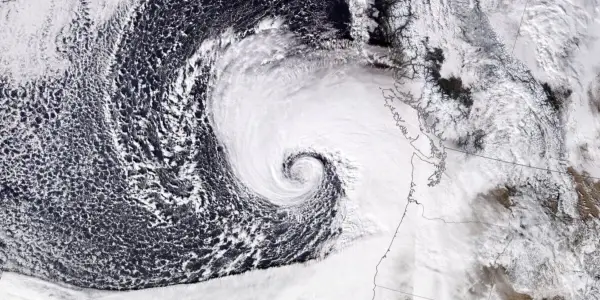
Unexpected Shift in North Pacific Storm Track...

New Report Highlights Risks of Marine Carbon...

Apple Seeks Changes to Indian Tax Law Amid...

UN Treaty for High Seas Conservation Now Effective

Revitalizing Wellness at Fairmont Chateau Lake...

Brian Greene to Host Inaugural Global Space...

Rerouted Shipping Offers Unique Insights into...
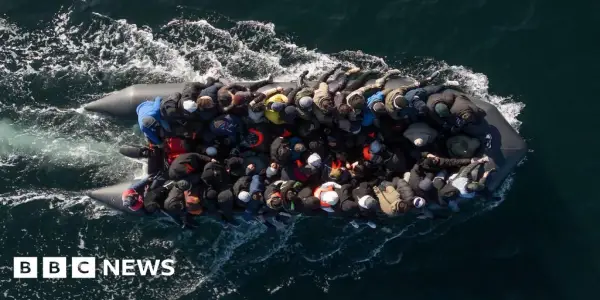
Government Unveils Ambitious Overhaul of Asylum...

Bill Gates's Climate Remarks Spark Controversy...

Defense Contractors Adapt to Climate Challenges...

AI Unveils Hidden Lion Roar, Revolutionizing...

Massive Leak Exposes 183 Million Email Passwords:...

Doom's Programming Error Sparks Renewed Interest...

Bill Gates Advocates for Innovation as Key to...

£9 Billion Government Initiative to Revamp...

Conspiracy Theories Divert Attention from Genuine...

OpenAI Unveils Ambitious Vibe Coding Initiative,...

Recent Study Indicates Accelerated Pace of Global...

Nike and LEGO Collaborate to Redesign Playground...

KDE Plans to Phase Out X11 Support in Upcoming...
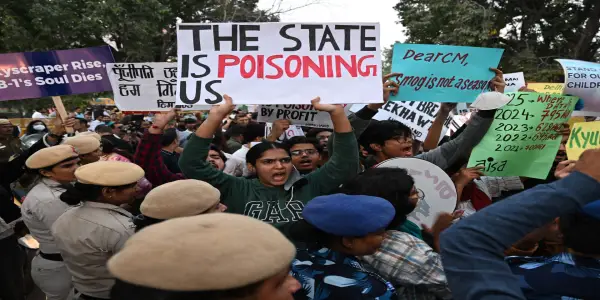
Public Outcry Grows Over Severe Air Pollution in...

Chronic Diseases in Animals Mirror Human Health...

Teachers' Unions Take a Stand Against Climate...

The Bugatti Veyron's Unique Oil Change: A Costly...
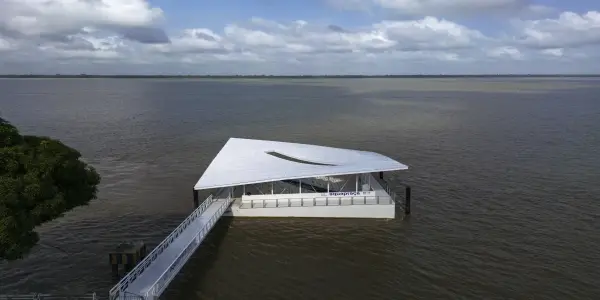
Key Outcomes from COP30: Innovations in...

Dezeen Jobs Launches Initiative to Celebrate...

Researchers Tackle Climate Challenges to Preserve...

Pipeline Dispute Challenges Canada's Energy...

Peaky Blinders: A Catalyst for West Midlands...

Debate Over Genetic Engineering of Wildlife:...

Delhi's Toxic Air Crisis: Children Bear the Brunt...

Revisiting Pan-African Aspirations Through the...
The Rapid Intensification of Hurricane Melissa...

Startup Aims to Ignite a New Era in U.S. AI...

Emerging Superfoods from the Amazon: Beyond Açaí
Comprehensive 3D Map Showcases Every Building on...