Projected Annual Deaths from Wildfire Smoke in the U.S. Could Reach 70,000 by 2050 Amid Climate Change, Study Warns
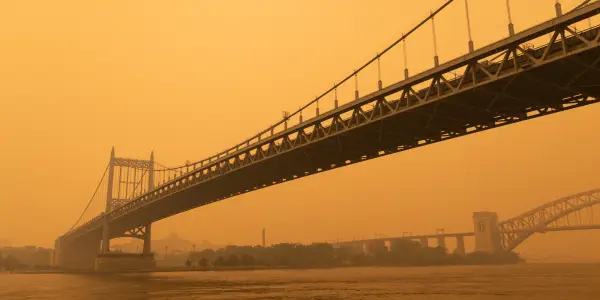
A new study highlights a concerning forecast that deaths linked to wildfire smoke exposure in the United States may rise significantly over the next 25 years, with profound implications for public health and the economy.
In-depth analysis
Current environmental changes
Recent analyses indicate a troubling escalation in wildfire frequency and intensity, primarily driven by climate change. As global temperatures rise, conditions conducive to wildfires, such as reduced soil moisture and warmer air, are becoming increasingly prevalent, leading to a significant increase in smoke-related health risks across the United States.
Impact on society
The health implications of wildfire smoke are profound, with projections suggesting annual smoke-related deaths could soar to 70,000 by 2050. Communities, particularly in California and the East Coast, are already facing severe health challenges linked to air quality deterioration.
Policy implications
The alarming projections necessitate urgent policy interventions to combat climate change and mitigate wildfire risks. Experts recommend implementing stricter carbon emission regulations, enhancing air quality management, and investing in community preparedness programs to safeguard public health and the environment.
Future outlook
If current trends continue, the future may see even greater health crises linked to wildfire smoke exposure. Proactive measures, such as improved air filtration and controlled burns, will be essential to curtail the anticipated rise in mortality rates related to wildfires.
Did you know?
Why this concerns all of us
The looming increase in wildfire smoke-related deaths poses a direct threat to public health across the U.S. By 2050, tens of thousands of lives could be at risk, affecting not just those in wildfire-prone areas but also urban centers where smoke can travel. Respiratory issues, hospital visits, and loss of productivity will touch every community, making it imperative for all citizens to advocate for climate action and health protections.
Nature's hidden secret
Wildfire smoke contains not just harmful particles but also toxic compounds like benzene and formaldehyde. These chemicals, often overlooked, can linger in the atmosphere long after the fire is extinguished, contributing to chronic health problems for those exposed, even in areas far from the flames.
The person whose life climate changed
Meet Lisa Tran, a 34-year-old nurse living in San Francisco. Last summer, thick smoke from nearby wildfires turned her once vibrant neighborhood into a hazy shadow, forcing her to keep her windows closed and wear masks even indoors. As a healthcare professional, Lisa witnessed a surge in patients suffering from respiratory issues linked to smoke exposure. The emotional toll weighed heavily on her; she felt helpless seeing her community struggle with a crisis that seemed beyond their control. Lisa has since become an advocate for sustainable practices and improved air quality initiatives, realizing that personal action can influence broader change in the fight against climate change.
Expert Commentary

Doom's Programming Error Sparks Renewed Interest...

UK Prepares for Cold Snap with Snow Forecasts...

Cate Blanchett Joins Festive Guest Editors for...

Emerging Superfoods from the Amazon: Beyond Açaí

The Emerging Debate on Geoengineering: A Call for...

Breakthrough Research Unveils Thermal Convection...
Scientists Warn Earth Has Reached Critical...

Marvel Gears Up for a Major Avengers Event:...
The Rapid Intensification of Hurricane Melissa...
Revisiting India's Air Quality Standards Amid...

Meta Enhances Smart Glasses with Garmin and...
The Overlooked Link Between Climate Change and...
Unexpected Shift in North Pacific Storm Track...
Unprecedented Strength of Hurricane Melissa Marks...

New Mapping of Antarctica's Subglacial Landscape...
Revolutionizing Ocean Research: Robotic Floats...
Hurricane Melissa's Death Toll Reaches 28 in...

Pacific Nations Set Ambitious Goal for 100%...

Key Outcomes from COP30: Innovations in...

Exploring the Depths of Human Connection: Ursula...

New Report Highlights Risks of Marine Carbon...

Research Uncovers Factors Behind Weight Gain...

Antarctic Robot Explorer Surfaces After Eight...

Palantir's CEO Alex Karp Defends Company’s...
Navigating Climate Distress Amid Brain Injury...

Golden Hare from Iconic Treasure Hunt Fetches...

Tragic Cargo Plane Crash in Kentucky Claims Lives...

Massive Leak Exposes 183 Million Email Passwords:...

Impact of Global Warming on Reptile Sex Ratios...

Ancient Tools Illuminate Early Human Innovation...
The Resilient Desert Flora Thrives in Extreme...
Experts Caution Against Solar Geoengineering:...

Chronic Diseases in Animals Mirror Human Health...

Japanese Trade Group, Including Studio Ghibli,...

The Crucible: A Test of Nerves in Snooker's Most...

Top Five Books Exploring the Intersection of...

Trump's Environmental Policies Could Lead to 1.3...

Key Insights on the Future of Electricity Demand...

Zaha Hadid Architects' Yidan Center Reaches...
Hurricane Melissa Marks a Historic Category 5...