Lessons from Jane Goodall's Legacy for Modern Business Leaders

Jane Goodall's enduring impact extends beyond conservation, offering vital lessons in courage, empathy, and systems thinking that resonate with today's business leaders.
In-depth analysis
Current environmental changes
Recent environmental shifts are increasingly alarming, with biodiversity loss and climate change accelerating at unprecedented rates. Conservationists like Jane Goodall emphasize the urgency of addressing these issues, highlighting the critical need for sustainable practices to mitigate irreversible damage to ecosystems. The interconnectedness of human activities and natural systems underscores the importance of immediate action.
Impact on society
The effects of environmental degradation are profoundly felt in society, as communities grapple with the consequences of climate change and resource depletion. This crisis disproportionately affects vulnerable populations, intensifying social inequalities and prompting calls for more equitable solutions.
Policy implications
The current environmental crisis necessitates robust policy changes that prioritize sustainability and conservation. Policymakers must adopt frameworks that integrate ecological considerations into economic planning, ensuring that environmental health is a central tenet of development strategies aimed at fostering long-term resilience and stability.
Future outlook
Looking ahead, the trajectory of environmental sustainability hinges on collective action and innovative leadership. Emphasizing empathy and systems thinking will be crucial in shaping a future where human well-being is harmonized with the health of our planet, fostering a more sustainable coexistence.
Did you know?
Why this concerns all of us
Jane Goodall's message resonates deeply in everyday life, as the choices we make about consumption and sustainability directly impact our environment. From the food we eat to the products we buy, understanding our role in the ecosystem can lead to significant change. Small actions, such as reducing plastic use or supporting local agriculture, can collectively help protect the planet, ensuring a healthier future for generations to come.
Nature's hidden secret
Chimpanzees, like humans, can experience a range of emotions, including joy, grief, and empathy. Surprisingly, they also engage in complex social behaviors, such as sharing food and comforting one another, showcasing their emotional depth and intelligence, which has profound implications for how we understand animal welfare and conservation.
The person whose life climate changed
Meet Sarah Thompson, a 34-year-old urban gardener in Brooklyn, whose life took a transformative turn when she attended a Jane Goodall talk two years ago. Inspired by Goodall’s call for sustainability, Sarah began cultivating her own vegetables, not just for health but also to reduce her carbon footprint. Her small rooftop garden became a community hub, where neighbors gather to learn about eco-friendly practices. Sarah’s journey illustrates how one person's commitment can spark collective action, fostering a deeper connection between urban lifestyles and environmental stewardship, proving that local efforts can contribute to global change.

Addressing API Overload: A Developer's Confession

Joe Swash Opens Up About the Challenges of Being...

UN Warns 2025 Expected to Rank Among Hottest...

Protests and Food Safety Concerns Challenge...

Revisiting Pan-African Aspirations Through the...
The Deadly Impact of Plastic Ingestion on Marine...
Startup Aims to Ignite a New Era in U.S. AI...
Antarctic Robot Explorer Surfaces After Eight...

The Bugatti Veyron's Unique Oil Change: A Costly...
New Report Indicates Coral Reefs May Have Reached...
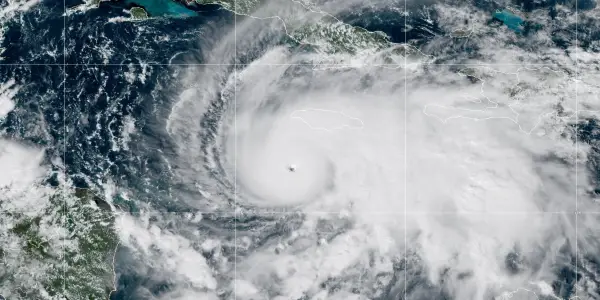
The Rapid Intensification of Hurricane Melissa...

Debate Over Genetic Engineering of Wildlife:...

Tehran on the Brink: Water Crisis Highlights...

Recent Study Indicates Accelerated Pace of Global...
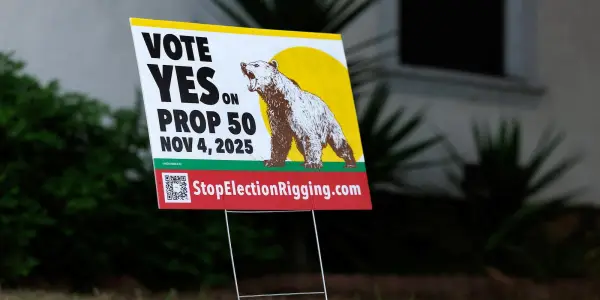
California's Proposition 50: Voters Set to...

Revitalizing Wellness at Fairmont Chateau Lake...
Advocating for Forest Sovereignty: A Call for...

Rikako Nagashima's Wool Calendars Highlight...

Teachers' Unions Take a Stand Against Climate...

Exploring Climate Change Through Sound: The Role...
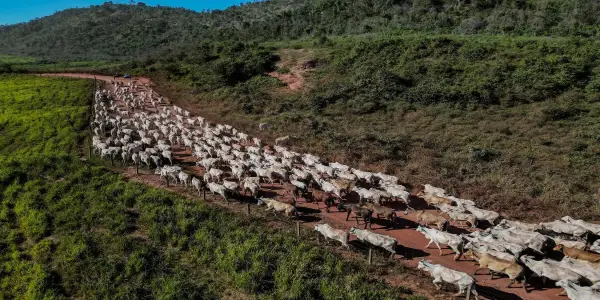
Deforestation-Free Beef: A Sustainable Approach...

Massive Leak Exposes 183 Million Email Passwords:...

Revisiting India's Air Quality Standards Amid...

Rerouted Shipping Offers Unique Insights into...

New Lancet Report Reveals Alarming Impact of...

FCC Revisits Ownership Rules for Major Broadcast...

Pacific Nations Set Ambitious Goal for 100%...

Can New Alcohol Warning Labels Shift Ireland's...

Innovative Approach to Sustainable Living: The...
Researchers Tackle Climate Challenges to Preserve...

Environmental Advocates Raise Alarm Over AI Data...
Unprecedented Strength of Hurricane Melissa Marks...

Public Outcry Grows Over Severe Air Pollution in...

Doom's Programming Error Sparks Renewed Interest...
Residential ZIP Codes Linked to Increased...
U.S. Fish and Wildlife Service's Plan to Cull...

MindsEye Developers Criticize Leadership Over...

AI Unveils Hidden Lion Roar, Revolutionizing...
The Limitations of Carbon Credits in Combating...
Hurricane Melissa Marks a Historic Category 5...