The Detrimental Impact of Censorship on Workplace Innovation

A pervasive fear of expressing opinions in professional settings stifles creativity and innovation, but leaders can implement strategies to foster open communication.
In-depth analysis
Current environmental changes
The corporate environment is undergoing significant shifts as self-censorship emerges as a barrier to innovation. Employees are increasingly hesitant to share ideas due to fears of misinterpretation or backlash, particularly amid polarized public discourse. This climate stifles creativity and collaboration, hindering organizations' adaptability in a rapidly evolving technological landscape.
Impact on society
The reluctance to express opinions affects not only individuals but entire organizations, diminishing the potential for groundbreaking ideas. A culture of silence can lead to missed opportunities and an inability to effectively manage risks, ultimately impacting overall organizational performance.
Policy implications
Organizations must implement policies that foster open communication and encourage respectful dialogue among employees. By establishing clear expectations and modeling inclusive behavior, leaders can create an environment where diverse opinions are valued, ultimately enhancing innovation and collaboration.
Future outlook
If organizations prioritize open dialogue and curiosity, they will likely adapt more effectively to changes and attract talent that thrives in collaborative settings. A commitment to reducing fear of expression can lead to sustained innovation and a more dynamic workplace culture.
Did you know?
Why this concerns all of us
Self-censorship in the workplace doesn't just hinder individual creativity; it threatens the very fabric of collaboration and innovation that drives progress. When employees hold back their ideas, companies risk stagnation, leading to fewer advancements in technology and services that affect daily life. The ripple effect extends to consumers who may miss out on better products and solutions simply because voices were silenced.
Nature's hidden secret
Many people are unaware that the concept of 'psychological safety'—the belief that one won't face negative consequences for speaking up—is crucial for innovation. Research shows that teams with high psychological safety are 3.5 times more likely to be high-performing, highlighting the essential role of open communication in fostering creativity and productivity.
The person whose life climate changed
Meet Sarah, a mid-level manager at a tech firm, who once thrived on brainstorming sessions. Recently, Sarah noticed a chilling effect on her team's creativity; colleagues hesitated to share ideas for fear of backlash. This shift left her feeling isolated and frustrated. She recalls a pivotal moment when she finally voiced a bold idea, only to receive mixed reactions. That experience ignited her passion for advocating open dialogue. Sarah began organizing informal discussions, fostering a space where everyone felt safe to contribute. Now, her team is not only sharing ideas but also collaborating more effectively, proving that when one person dares to speak up, it can inspire a collective shift towards a culture of innovation.
Expert Commentary

Delhi's Toxic Air Crisis: Children Bear the Brunt...

Public Outcry Grows Over Severe Air Pollution in...

Urgent Action Needed as Scientists Warn of...

New Research Suggests Earth's Phosphorus Cycle...

Advocating for Forest Sovereignty: A Call for...

Pipeline Dispute Challenges Canada's Energy...

Protests and Food Safety Concerns Challenge...
The Hidden Costs of the Green Transition: A...

The Emerging Debate on Geoengineering: A Call for...

Peaky Blinders: A Catalyst for West Midlands...

Puffins Make Historic Return to Isle of Muck...

UN Warns 2025 Expected to Rank Among Hottest...

Recent Study Indicates Accelerated Pace of Global...

Tehran on the Brink: Water Crisis Highlights...

Hurricane Melissa Marks a Historic Category 5...

Addressing API Overload: A Developer's Confession

MindsEye Developers Criticize Leadership Over...

U.S. Fish and Wildlife Service's Plan to Cull...

India's Climate Adaptation Fund Faces Budget Cuts...

Meta Enhances Smart Glasses with Garmin and...

Revival of Wild Turkeys: A Conservation Triumph...

Brian Greene to Host Inaugural Global Space...

Sex Workers Launch 'Anti-OnlyFans' Platform to...

South Africa's G20 Agenda: Addressing Debt,...

Revitalizing Wellness at Fairmont Chateau Lake...

Navigating Climate Distress Amid Brain Injury...

AI Unveils Hidden Lion Roar, Revolutionizing...

Cate Blanchett Joins Festive Guest Editors for...

Can New Alcohol Warning Labels Shift Ireland's...

Foldable Phones on the Rise: 2026 Expected to...

The Overlooked Link Between Climate Change and...
Top Five Books Exploring the Intersection of...

Elon Musk Rebrands Tesla's Mission, Removing...

Bill Gates Advocates for Innovation as Key to...

Government Unveils Ambitious Overhaul of Asylum...

Portalgraph Revolutionizes 3D Visualization with...
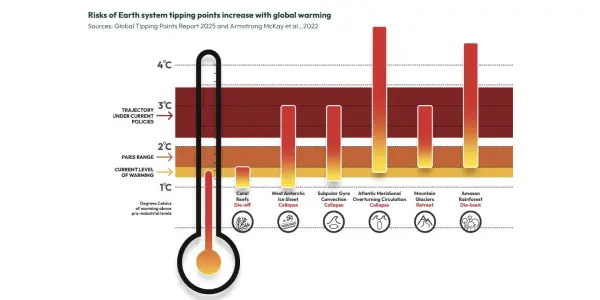
New Report Indicates Coral Reefs May Have Reached...
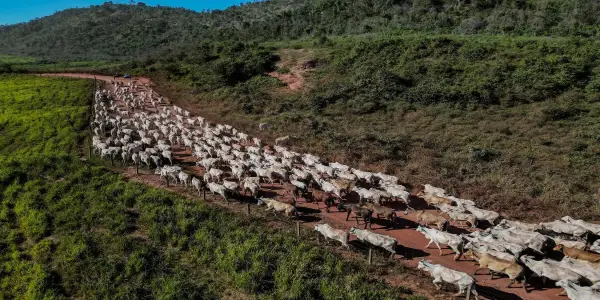
Deforestation-Free Beef: A Sustainable Approach...

Conspiracy Theories Divert Attention from Genuine...

Environmental Advocates Raise Alarm Over AI Data...