DoorDash Unveils Dot: A New Frontier in Automated Food Delivery

DoorDash introduces Dot, an innovative automated delivery robot designed to enhance food delivery efficiency while addressing urban congestion and promoting ...
In-depth analysis
Current environmental changes
The introduction of Dot by DoorDash signifies a notable shift towards sustainable urban delivery solutions amid increasing traffic congestion. As cities seek to balance efficiency and environmental impact, the deployment of electric-powered robots like Dot aims to reduce reliance on traditional vehicles, thereby lowering carbon emissions and contributing to cleaner urban environments.
Impact on society
Dot's automated delivery system is poised to enhance urban mobility and convenience, providing consumers with faster access to food. This innovation addresses growing demand while potentially reducing traffic congestion, benefiting both residents and local businesses.
Policy implications
The rise of automated delivery systems like Dot may prompt policymakers to reconsider regulations surrounding urban transportation and logistics. Ensuring a framework that supports innovation while addressing safety and operational concerns will be crucial for integrating such technologies into city infrastructures.
Future outlook
As the food delivery market continues to expand, the success of Dot could inspire further advancements in robotics and AI. This trend suggests a future where automated solutions play a significant role in logistics, reshaping how urban deliveries are conducted.
Did you know?
Why this concerns all of us
The introduction of Dot could significantly impact urban life by reducing traffic congestion and emissions. With cities struggling to manage delivery-related traffic, these robots offer a practical solution. Imagine a neighborhood where food arrives without the noise and pollution of delivery trucks, allowing for quieter streets and cleaner air, directly affecting your daily experiences and well-being.
Nature's hidden secret
Electric delivery robots like Dot are designed to be efficient in navigating urban spaces, but did you know they can save up to 90% on energy compared to traditional delivery vehicles? This remarkable efficiency not only impacts costs but also contributes to a significant reduction in carbon emissions, making city life more sustainable.
The person whose life climate changed
Meet Sarah, a busy mother of two living in a bustling city. Juggling work and family, she often relied on traditional delivery services, which meant dealing with delayed orders and traffic. With Dot now delivering her family's meals, Sarah finds solace in the reliability and speed of this new service. Not only does it free up her time, but it also reassures her that the food arrives without the negative environmental impact of gas guzzlers. For Sarah, Dot represents a shift toward a more sustainable lifestyle, where technology enhances her family's convenience while supporting a cleaner city for her children.
Expert Commentary

Meta Enhances Smart Glasses with Garmin and...

The Crucible: A Test of Nerves in Snooker's Most...
Hurricanes and Droughts: A Dangerous Connection...
Tehran on the Brink: Water Crisis Highlights...

Fisher Makes Historic Return to Ohio Forests...

OnePlus 15R Poised to Redefine Battery Life...

Key Insights Ahead of COP30 Summit in Brazil: A...

Navigating Climate Distress Amid Brain Injury...

UK Prepares for Cold Snap with Snow Forecasts...

New Report Highlights Risks of Marine Carbon...
Key Outcomes from COP30: Innovations in...

Teachers' Unions Take a Stand Against Climate...


Understanding the Urgency of Climate Change: Key...

Chronic Diseases in Animals Mirror Human Health...

Top Five Books Exploring the Intersection of...

Heat Flow on Saturn’s Moon Enceladus Suggests...

KDE Plans to Phase Out X11 Support in Upcoming...

India's Climate Adaptation Fund Faces Budget Cuts...

The Deadly Impact of Plastic Ingestion on Marine...

£9 Billion Government Initiative to Revamp...

The Overlooked Link Between Climate Change and...
The Rapid Intensification of Hurricane Melissa...

Bill Gates's Climate Remarks Spark Controversy...

The Shift in Climate Discourse: Navigating the...
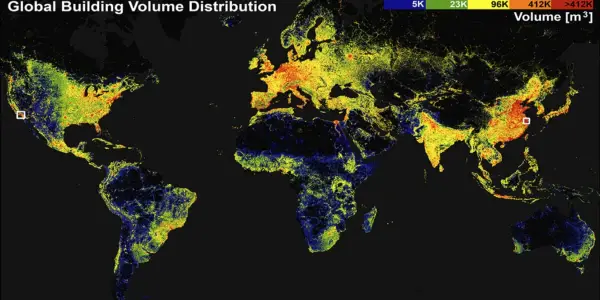
Comprehensive 3D Map Showcases Every Building on...

Pacific Nations Set Ambitious Goal for 100%...


Unexpected Shift in North Pacific Storm Track...
Global Climate Action in the Absence of the US: A...

Urgent Action Needed as Scientists Warn of...


OpenAI Introduces 'Group Chats' Feature in...

Residential ZIP Codes Linked to Increased...

Revitalizing Wellness at Fairmont Chateau Lake...
Lawsuit Alleges Tesla Wrongfully Terminated Deaf...

The Emerging Debate on Geoengineering: A Call for...

New Lancet Report Reveals Alarming Impact of...

Spring Studio Integrates Biomaterials for...

UN Treaty for High Seas Conservation Now Effective