Extended Birds' Daylight Concerts Linked to Light Pollution
Recent research indicates that birds are vocalizing nearly an hour longer each day, a phenomenon attributed to increasing levels of artificial light in their environments.
In-depth analysis
Current environmental changes
Recent research indicates that birds are extending their daily singing duration by nearly an hour, with a clear link to increased levels of man-made light pollution. This trend, particularly evident during the breeding season, suggests that artificial illumination is significantly altering avian behavior and potentially impacting their health and reproductive success.
Impact on society
The rise in light pollution poses challenges not only for wildlife but also for human communities, as altered ecosystems can affect agriculture, pest control, and even public health through increased exposure to pests and diseases.
Policy implications
The findings call for urgent policy measures to address light pollution, emphasizing the need for regulations that limit artificial lighting in critical habitats. Global cooperation is essential to develop strategies that protect wildlife while balancing urban development and public safety.
Future outlook
As research into light pollution progresses, there is hope for innovative solutions that mitigate its effects on wildlife. Continued advocacy for sustainable practices may lead to improved conservation outcomes and healthier ecosystems.
Did you know?
Why this concerns all of us
The increase in birdsong due to light pollution isn't just a quaint observation; it signals broader ecological shifts that affect our environment. Longer singing periods may lead to declines in bird health, impacting their role in pest control and pollination. As urban areas expand, our daily lives intertwine more with wildlife, making it crucial to understand how our choices—like outdoor lighting—affect the delicate balance of nature.
Nature's hidden secret
Surprisingly, birds with larger eyes are more sensitive to light pollution, leading them to sing longer in bright environments. This adaptation might seem beneficial, but it raises concerns about their overall health and survival, particularly during critical breeding periods when energy conservation is vital.
The person whose life climate changed
Meet Clara, a retired teacher living in a bustling suburb. For years, she cherished morning bird songs as a gentle wake-up call. Recent studies on light pollution have forced her to rethink her backyard practices. Clara has started advocating for reduced outdoor lighting in her community, sharing how the extended birdsong impacts not just the birds but also the overall harmony of her surroundings. As she engages neighbors in discussions, Clara feels a renewed sense of purpose, realizing that small changes can help restore the natural rhythm of life right outside her door.
Expert Commentary

Meta Enhances Smart Glasses with Garmin and...

The Crucible: A Test of Nerves in Snooker's Most...
Hurricanes and Droughts: A Dangerous Connection...

Tehran on the Brink: Water Crisis Highlights...
Fisher Makes Historic Return to Ohio Forests...

OnePlus 15R Poised to Redefine Battery Life...
Key Insights Ahead of COP30 Summit in Brazil: A...
Navigating Climate Distress Amid Brain Injury...

UK Prepares for Cold Snap with Snow Forecasts...

New Report Highlights Risks of Marine Carbon...

Key Outcomes from COP30: Innovations in...

Teachers' Unions Take a Stand Against Climate...


Understanding the Urgency of Climate Change: Key...

Chronic Diseases in Animals Mirror Human Health...

Top Five Books Exploring the Intersection of...

Heat Flow on Saturn’s Moon Enceladus Suggests...

KDE Plans to Phase Out X11 Support in Upcoming...

India's Climate Adaptation Fund Faces Budget Cuts...
The Deadly Impact of Plastic Ingestion on Marine...

£9 Billion Government Initiative to Revamp...
The Overlooked Link Between Climate Change and...
The Rapid Intensification of Hurricane Melissa...

Bill Gates's Climate Remarks Spark Controversy...

The Shift in Climate Discourse: Navigating the...
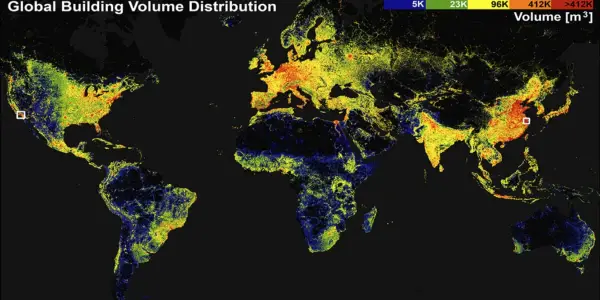
Comprehensive 3D Map Showcases Every Building on...

Pacific Nations Set Ambitious Goal for 100%...
Unexpected Shift in North Pacific Storm Track...

Global Climate Action in the Absence of the US: A...
Urgent Action Needed as Scientists Warn of...


OpenAI Introduces 'Group Chats' Feature in...

Residential ZIP Codes Linked to Increased...

Revitalizing Wellness at Fairmont Chateau Lake...

Lawsuit Alleges Tesla Wrongfully Terminated Deaf...

The Emerging Debate on Geoengineering: A Call for...

New Lancet Report Reveals Alarming Impact of...

Spring Studio Integrates Biomaterials for...

UN Treaty for High Seas Conservation Now Effective