Study Uncovers Significant Decline in Parasites Linked to New Zealand's Kākāpō
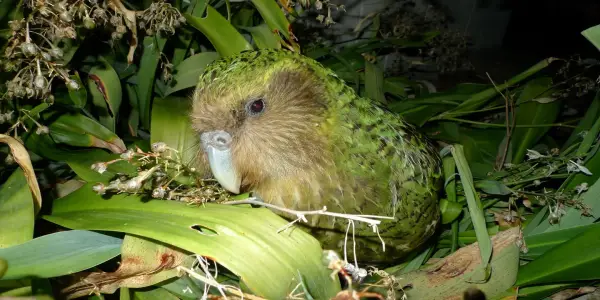
A recent investigation reveals that more than 80% of parasites identified in the ancient droppings of the endangered kākāpō have disappeared, raising concerns about ecological balance.
In-depth analysis
Current environmental changes
Recent research has revealed a concerning decline in parasites associated with New Zealand's endangered kākāpō, with over 80% of identified species disappearing. This shift suggests significant alterations in the ecological balance, which could have far-reaching effects on the health of the ecosystem supporting the kākāpō and other species within its habitat.
Impact on society
The decline of parasites tied to the kākāpō may lead to broader ecological disruptions, affecting food chains and species health. This situation could ultimately challenge local communities that rely on healthy ecosystems for their livelihoods and cultural practices.
Policy implications
These findings underscore the need for policymakers to reassess conservation strategies, ensuring they address not only the survival of the kākāpō but also the health of its ecosystem. Enhanced monitoring and adaptive management approaches will be essential to mitigate potential negative impacts on biodiversity.
Future outlook
The future of the kākāpō and its ecosystem remains uncertain. Ongoing research and conservation efforts will be crucial in understanding the implications of parasite loss and in developing effective strategies to ensure the long-term stability of this unique environment.
Did you know?
Why this concerns all of us
The decline of parasites tied to the kākāpō isn't just an ecological footnote; it impacts everyone. Parasites, often dismissed as nuisances, help regulate species populations and nutrient cycles. A disruption could lead to unforeseen consequences, like pest outbreaks or plant die-offs, affecting agriculture and natural landscapes we depend on. Understanding these changes is vital for sustainable living.
Nature's hidden secret
Interestingly, not all parasites are harmful; many play essential roles in ecosystems. For instance, some parasites can help control host populations, preventing overgrazing and promoting biodiversity. This delicate balance is crucial for maintaining healthy environments, underscoring the complex relationships in nature that often go unnoticed.
The person whose life climate changed
At 34, Aroha Tūwhare, a conservation biologist in New Zealand, has dedicated her life to saving the kākāpō. Each day, she monitors their nests and leads community workshops, sharing the bird's plight. Aroha recalls a recent day when she found a kākāpō chick thriving, yet the joy was tempered by the news of disappearing parasites. The realization hit her hard: their ecosystem was shifting in ways they couldn't control. Aroha's passion fuels her work, but she knows that every loss, even of the smallest creature, echoes through the environment. The kākāpō's survival isn't just about saving one species; it's about preserving a fragile balance that sustains all life, including her own.
Expert Commentary
Antarctic Robot Explorer Surfaces After Eight...

Meta Enhances Smart Glasses with Garmin and...

Understanding the Urgency of Climate Change: Key...

Dezeen Jobs Launches Initiative to Celebrate...
Key Insights Ahead of COP30 Summit in Brazil: A...

Bill Gates's Climate Remarks Spark Controversy...

Tehran on the Brink: Water Crisis Highlights...

Doom's Programming Error Sparks Renewed Interest...
Hurricanes and Droughts: A Dangerous Connection...

Experts Caution Against Solar Geoengineering:...
Impact of Global Warming on Reptile Sex Ratios...

Decline in Indian Passport Ranking Despite...

Perrier-Jouët and Design Miami Launch Inaugural...
Emerging Ocean Hotspots Heighten Risk of...

Revisiting India's Air Quality Standards Amid...

Recent Study Indicates Accelerated Pace of Global...
Hurricane Melissa Marks a Historic Category 5...
Grand Egyptian Museum Unveiled as Torre dei Conti...

Teachers' Unions Take a Stand Against Climate...

New Lancet Report Reveals Alarming Impact of...

Spring Studio Integrates Biomaterials for...
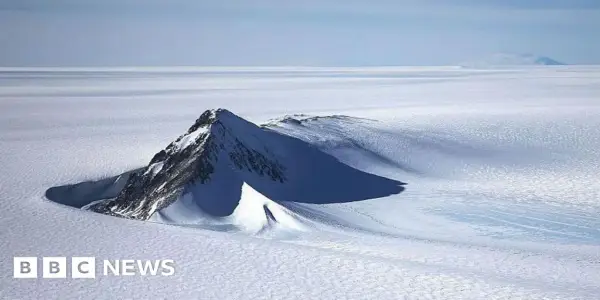
New Mapping of Antarctica's Subglacial Landscape...

Sex Workers Launch 'Anti-OnlyFans' Platform to...
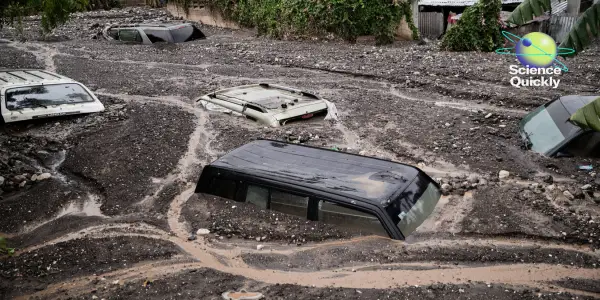
Unprecedented Strength of Hurricane Melissa Marks...

AI Unveils Hidden Lion Roar, Revolutionizing...
Advocating for Forest Sovereignty: A Call for...
U.S. Fish and Wildlife Service's Plan to Cull...
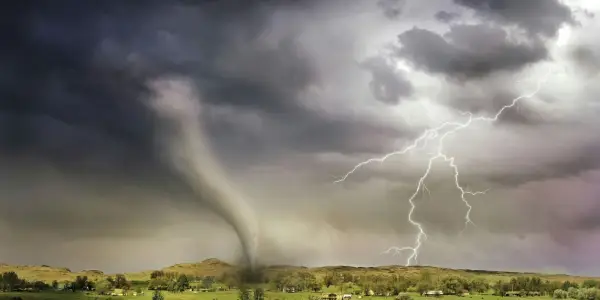
Navigating Climate Distress Amid Brain Injury...

South Africa's G20 Agenda: Addressing Debt,...

£9 Billion Government Initiative to Revamp...

Lab Gloves May Complicate Microplastics Research,...

Study Reveals Airborne Microplastics May...
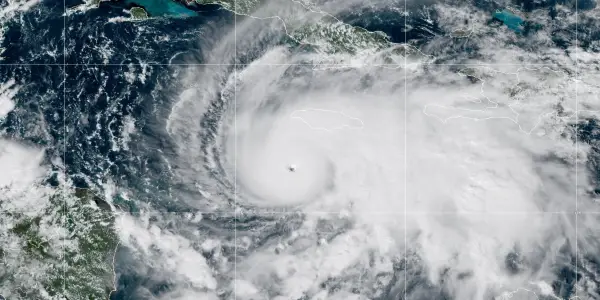
The Rapid Intensification of Hurricane Melissa...

Foldable Phones on the Rise: 2026 Expected to...

Top Five Books Exploring the Intersection of...

OpenAI Introduces 'Group Chats' Feature in...

Golden Hare from Iconic Treasure Hunt Fetches...
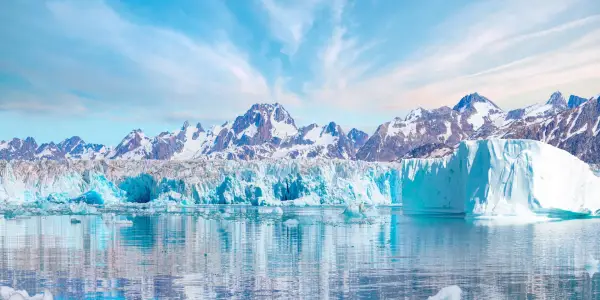
Breakthrough Research Unveils Thermal Convection...

Pacific Nations Set Ambitious Goal for 100%...
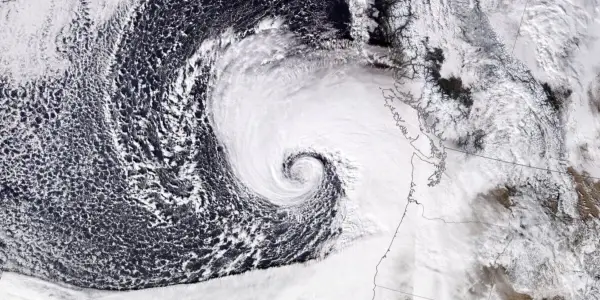
Unexpected Shift in North Pacific Storm Track...