Progress on Ozone Layer Restoration Under Montreal Protocol
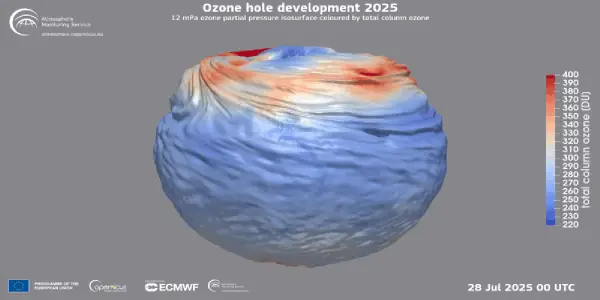
New findings reveal the ozone layer is healing, thanks to the Montreal Protocol's efforts against CFCs, promising a brighter future for our planet's protection.
In-depth analysis
Current environmental changes
Recent reports indicate that the ozone layer above Antarctica is experiencing a gradual recovery, attributed to decades of international efforts to phase out ozone-depleting substances like chlorofluorocarbons (CFCs). This positive trend suggests that the protective barrier against harmful ultraviolet radiation is slowly healing, with projections indicating a return to pre-1980 levels by mid-century.
Impact on society
The recovery of the ozone layer is expected to have significant public health benefits, reducing the incidence of skin cancer and cataracts linked to increased ultraviolet radiation exposure. This progress underscores the importance of effective environmental policies for safeguarding human health.
Policy implications
The Montreal Protocol serves as a critical example of successful international policy, demonstrating that collaborative efforts can lead to substantial environmental improvements. Its ongoing amendments highlight the need for adaptive strategies in addressing emerging environmental challenges and ensuring continued global cooperation.
Future outlook
Looking ahead, scientists anticipate that the ozone layer will fully recover by around 2060, marking a significant environmental milestone. This recovery not only reflects the success of past agreements but also emphasizes the potential for future international initiatives to address climate change.
Did you know?
Why this concerns all of us
The recovery of the ozone layer affects everyone, as its health directly influences UV radiation levels that penetrate the atmosphere. Increased UV exposure can lead to higher skin cancer rates, cataracts, and weakened immune systems. Protecting this layer not only promotes public health but also safeguards ecosystems, ensuring that crops and wildlife thrive under balanced sunlight.
Nature's hidden secret
Despite its importance, the ozone layer is often overlooked. Interestingly, it contains about 90% of the Earth's ozone, which is crucial for blocking 99% of the sun's harmful UV rays. This unique composition serves as nature's shield, emphasizing just how vital a healthy ozone layer is for life on Earth.
The person whose life climate changed
Maria Lopez, a 34-year-old school teacher from Buenos Aires, has always loved the outdoors. Yet, she felt the impacts of the ozone depletion firsthand when her community experienced an alarming rise in skin cancer cases. After learning about the Montreal Protocol's success, Maria felt a renewed hope for the planet’s future. Now, she actively educates her students about environmental protection, emphasizing the significance of global cooperation in combating climate change. Maria’s story reflects the personal stakes behind environmental policies, showing how collective action can lead to real change, inspiring others to cherish and protect the world we live in.
Expert Commentary

Dezeen Jobs Launches Initiative to Celebrate...
Ancient Ice Sample Reveals 6 Million-Year-Old Air...

Advocating for Forest Sovereignty: A Call for...

Fisher Makes Historic Return to Ohio Forests...
The Resilient Desert Flora Thrives in Extreme...

The Deadly Impact of Plastic Ingestion on Marine...

Experts Caution Against Solar Geoengineering:...

Global Climate Action in the Absence of the US: A...

Lawsuit Alleges Tesla Wrongfully Terminated Deaf...
Hurricanes and Droughts: A Dangerous Connection...

Pacific Nations Set Ambitious Goal for 100%...

Accelerating Climate Impacts Could Lead to...

Key Insights on the Future of Electricity Demand...

Perrier-Jouët and Design Miami Launch Inaugural...

OpenAI Introduces 'Group Chats' Feature in...

Revitalizing Wellness at Fairmont Chateau Lake...

Pipeline Dispute Challenges Canada's Energy...

Palantir's CEO Alex Karp Defends Company’s...

Decline in Indian Passport Ranking Despite...

Introducing the Clamshell Writer Deck: A Focused...

Sex Workers Launch 'Anti-OnlyFans' Platform to...

Cate Blanchett Joins Festive Guest Editors for...
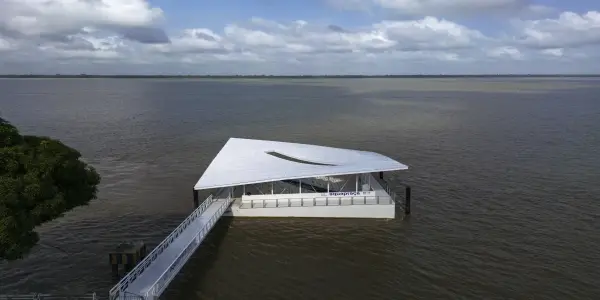
Key Outcomes from COP30: Innovations in...
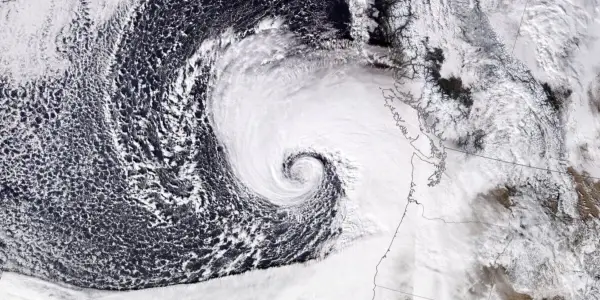
Unexpected Shift in North Pacific Storm Track...

Rerouted Shipping Offers Unique Insights into...

Projected Plastic Waste to Exceed 280 Million...
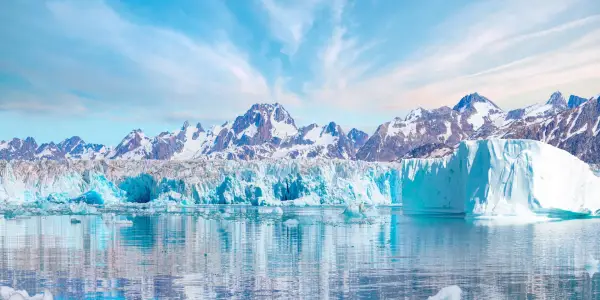
Breakthrough Research Unveils Thermal Convection...

Recent Study Indicates Accelerated Pace of Global...

Grand Egyptian Museum Unveiled as Torre dei Conti...

The Impact of US Withdrawal on Global Climate...
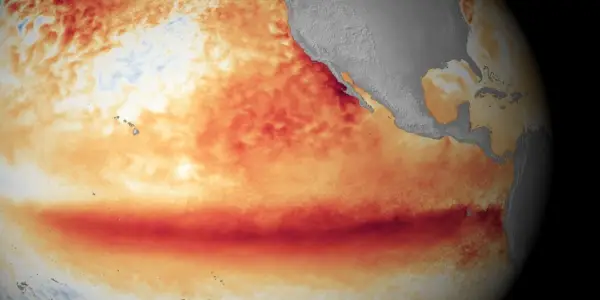

Heat Flow on Saturn’s Moon Enceladus Suggests...

Understanding the Urgency of Climate Change: Key...

U.S. Fish and Wildlife Service's Plan to Cull...

OnePlus 15R Poised to Redefine Battery Life...

Marvel Gears Up for a Major Avengers Event:...

Antarctic Robot Explorer Surfaces After Eight...

Top Five Books Exploring the Intersection of...

Doom's Programming Error Sparks Renewed Interest...

New Report Highlights Risks of Marine Carbon...