The Fatal Consequences of Drought: A Rainmaker's Tragic End in South Sudan
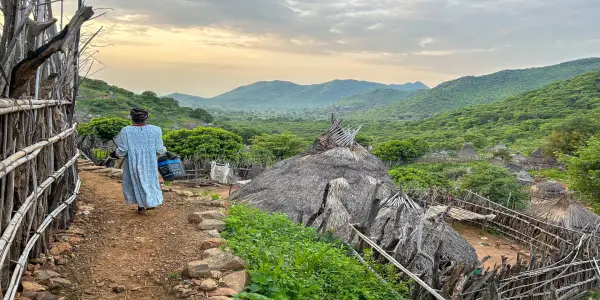
In South Sudan, the ancient rainmaking practice turns tragic as revered rainmaker Solomon Oture faces violent backlash after years of drought devastate his c...
In-depth analysis
Current environmental changes
In South Sudan, the impacts of climate change are becoming increasingly severe, with prolonged droughts disrupting traditional agricultural practices. Communities, reliant on seasonal rains, are facing unprecedented challenges as extreme weather events become more frequent. This shift not only threatens food security but also intensifies societal tensions, as reliance on rainmakers for agricultural success becomes fraught with peril.
Impact on society
The societal fabric in South Sudan is unraveling under the pressure of climate-induced hardships. As food insecurity rises, communities are turning on traditional leaders like rainmakers, blaming them for natural failures. This scapegoating has led to violence and a chilling atmosphere of fear and silence among villagers.
Policy implications
The plight of rainmakers highlights the urgent need for policies that address both climate resilience and community support systems. Governments and NGOs must foster dialogue around the role of traditional leaders, ensuring they are protected rather than blamed during crises. Comprehensive strategies are necessary to mitigate the effects of climate change on vulnerable agricultural communities.
Future outlook
The trajectory for agricultural communities in South Sudan appears bleak if current trends continue. Without significant intervention to address climate change and its societal impacts, traditional practices may further erode, leading to increased violence and instability. A concerted effort is needed to safeguard both livelihoods and the cultural roles that underpin these communities.
Did you know?
Why this concerns all of us
The tragic fate of Solomon Oture in Lohobohobo highlights a chilling reality: climate change is not just an abstract issue but a catalyst for violence and despair in vulnerable communities. As weather patterns become more erratic, agricultural societies worldwide face similar pressures, leading to scapegoating and violence. This shift threatens food security, economic stability, and social harmony, reminding us that the impacts of climate change reach far beyond remote villages, affecting global food systems and humanitarian efforts.
Nature's hidden secret
In traditional African societies, rainmakers often possess deep knowledge of local ecosystems, understanding not just weather patterns but also the intricate relationships among plants, animals, and climate. Surprisingly, research shows that many cultures have rituals specifically designed to enhance biodiversity, which can inadvertently help combat climate change by promoting resilient ecosystems.
The person whose life climate changed
Malik Abubakar, a farmer in Eastern Equatoria, once looked to the skies for rain, trusting in the age-old practices of his community. After witnessing the violent death of Solomon Oture, his rainmaker, Malik felt a profound sense of loss and fear. The drought that followed not only devastated his crops but also shattered the community's trust in their spiritual leaders. Malik's family, once self-sufficient, now struggles to find food, relying on aid that is dwindling. This personal tragedy is a microcosm of a larger crisis; Malik’s story embodies the emotional turmoil faced by many who are caught in the crossfire of climate change and societal breakdown. His journey highlights the urgent need for community resilience and support systems to navigate these unprecedented challenges.
Expert Commentary
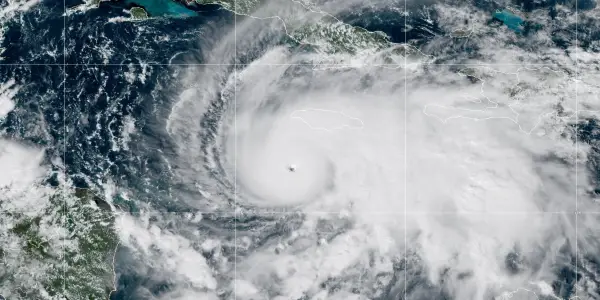
The Rapid Intensification of Hurricane Melissa...

Preserving Modern Jewelry and Vintage Heirlooms:...
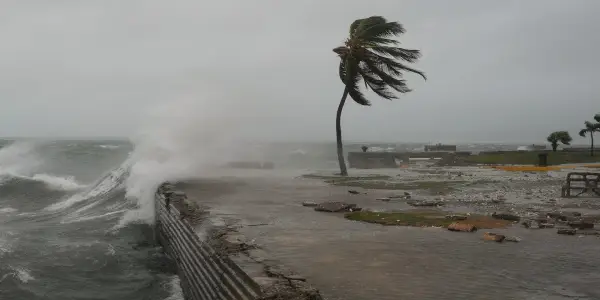
Hurricane Melissa Marks a Historic Category 5...

The Emerging Debate on Geoengineering: A Call for...
Recent Study Indicates Accelerated Pace of Global...

Bill Gates Advocates for Innovation as Key to...

Dezeen Jobs Launches Initiative to Celebrate...
South Africa's G20 Agenda: Addressing Debt,...

£9 Billion Government Initiative to Revamp...
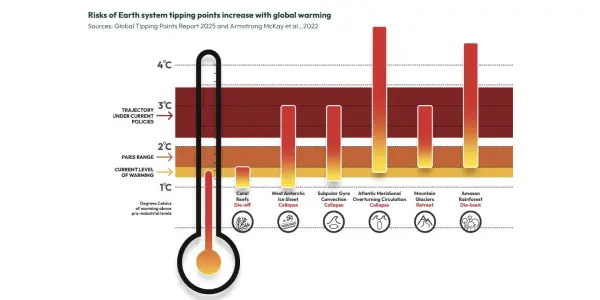
New Report Indicates Coral Reefs May Have Reached...
Trump's Environmental Policies Could Lead to 1.3...
New Delhi Suffers Severe Air Pollution Following...
Intensified Competition Threatens African...
Global Rice Yields Plummet Due to Extreme...
The Hidden Costs of the Green Transition: A...

The Impact of US Withdrawal on Global Climate...
Revisiting India's Air Quality Standards Amid...
Advocating for Forest Sovereignty: A Call for...

Can New Alcohol Warning Labels Shift Ireland's...
Residential ZIP Codes Linked to Increased...

Brian Greene to Host Inaugural Global Space...

Perrier-Jouët and Design Miami Launch Inaugural...
Revisiting Pan-African Aspirations Through the...

Chronic Diseases in Animals Mirror Human Health...

Revitalizing Wellness at Fairmont Chateau Lake...
Navigating Climate Distress Amid Brain Injury...

Addressing API Overload: A Developer's Confession

The Hidden Costs of Men's Alcohol Consumption on...

Bill Gates's Climate Remarks Spark Controversy...

Cate Blanchett Joins Festive Guest Editors for...
Tehran on the Brink: Water Crisis Highlights...

Exploring India's Innovative Eco-Retreat Crafted...
Delhi's Toxic Air Crisis: Children Bear the Brunt...

Exploring Climate Change Through Sound: The Role...
The Limitations of Carbon Credits in Combating...

Emerging Superfoods from the Amazon: Beyond Açaí
Government Unveils Ambitious Overhaul of Asylum...

Portalgraph Revolutionizes 3D Visualization with...

Top Five Books Exploring the Intersection of...
California's Proposition 50: Voters Set to...