Global Momentum for Fossil Fuel Transition Continues Despite COP30 Stalemate
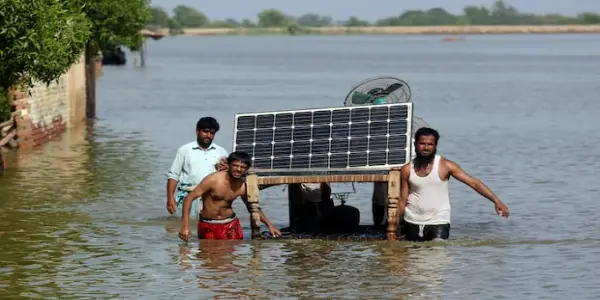
At the recent UN climate summit in Brazil, nations were unable to finalize an agreement on fossil fuel transitions, yet the ongoing discussions reflect a growing international commitment to cleaner energy solutions.
In-depth analysis
Current environmental changes
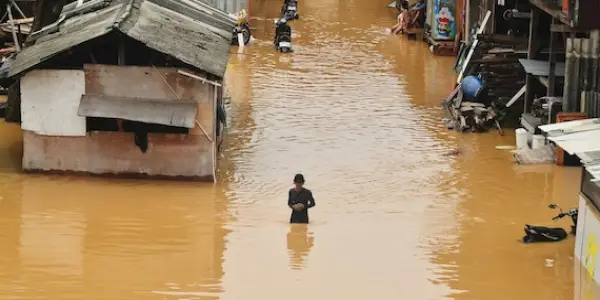
The outcomes from COP30 in Belem highlight a pivotal moment in the global climate discourse, as fossil fuel emissions reach alarming levels—60% above 1990 figures. Despite no consensus on transitioning from fossil fuels, discussions surrounding this topic indicate a growing recognition of the need for renewable energy solutions amidst escalating climate impacts, such as catastrophic flooding.
Impact on society
Communities worldwide are increasingly turning to renewable energy sources in response to climate-related disasters. The shift not only aids in rebuilding efforts but also fosters economic growth and energy independence, particularly in developing nations facing significant vulnerabilities.
Policy implications
The ongoing financial support for fossil fuel industries, estimated between $1 trillion and $7 trillion annually, presents a major obstacle to transitioning towards cleaner energy sources. Policymakers must navigate the complexities of existing investments while promoting sustainable alternatives to meet climate goals.
Future outlook
The trends emerging from COP30 suggest a gradual shift towards renewable energy, driven by technological advancements and changing global attitudes. As nations increasingly embrace clean energy, the competitive landscape for renewables is set to evolve, potentially reshaping future climate negotiations.
Did you know?
Why this concerns all of us
The failure to reach a consensus on fossil fuel transition at COP30 impacts everyone, as climate change increasingly disrupts our daily lives. From rising energy prices to extreme weather events, the consequences ripple through communities. Local businesses struggle with supply chain disruptions due to floods or droughts, while families face higher costs for heating and cooling. Without a decisive shift to renewable energy, these challenges will only intensify.
Nature's hidden secret
Did you know that certain types of seaweed can absorb carbon dioxide up to five times more efficiently than trees? This remarkable ability makes seaweed farming a potential game-changer in the fight against climate change, offering a sustainable way to capture carbon and promote healthy ocean ecosystems.
The person whose life climate changed
Meet Ana, a 34-year-old mother from a small village in Pakistan. After the devastating floods of 2022, she lost her home and livelihood. In the aftermath, Ana participated in a community initiative to install solar panels, which not only provided her family with electricity but also allowed her to start a small business selling home-cooked meals. Ana’s story illustrates the resilience of communities adapting to climate challenges, turning adversity into opportunity through renewable energy. Her journey highlights the urgent need for global support to empower such initiatives, demonstrating that local actions can drive significant change.

Doom's Programming Error Sparks Renewed Interest...

UK Prepares for Cold Snap with Snow Forecasts...

Cate Blanchett Joins Festive Guest Editors for...

Emerging Superfoods from the Amazon: Beyond Açaí

The Emerging Debate on Geoengineering: A Call for...

Breakthrough Research Unveils Thermal Convection...

Scientists Warn Earth Has Reached Critical...

Marvel Gears Up for a Major Avengers Event:...
The Rapid Intensification of Hurricane Melissa...

Revisiting India's Air Quality Standards Amid...

Meta Enhances Smart Glasses with Garmin and...
The Overlooked Link Between Climate Change and...
Unexpected Shift in North Pacific Storm Track...
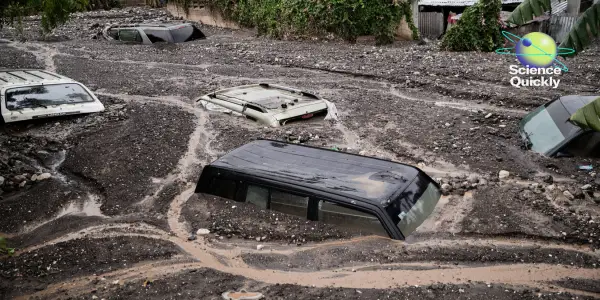
Unprecedented Strength of Hurricane Melissa Marks...

New Mapping of Antarctica's Subglacial Landscape...
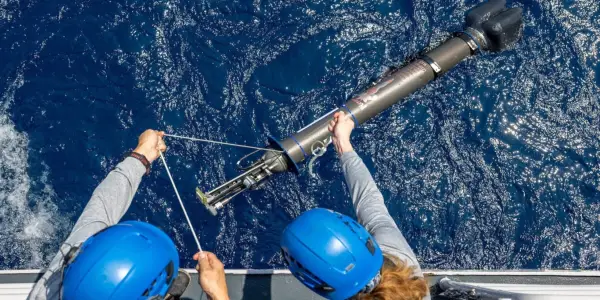
Revolutionizing Ocean Research: Robotic Floats...
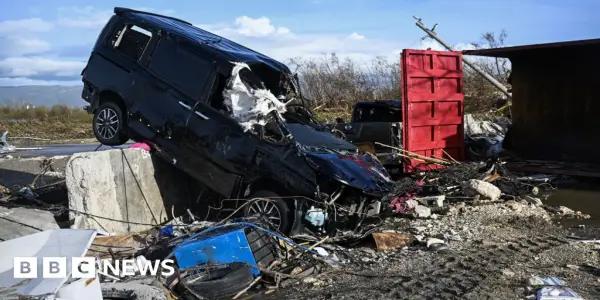
Hurricane Melissa's Death Toll Reaches 28 in...

Pacific Nations Set Ambitious Goal for 100%...

Key Outcomes from COP30: Innovations in...

Exploring the Depths of Human Connection: Ursula...

New Report Highlights Risks of Marine Carbon...

Research Uncovers Factors Behind Weight Gain...

Antarctic Robot Explorer Surfaces After Eight...

Palantir's CEO Alex Karp Defends Company’s...

Navigating Climate Distress Amid Brain Injury...

Golden Hare from Iconic Treasure Hunt Fetches...

Tragic Cargo Plane Crash in Kentucky Claims Lives...

Massive Leak Exposes 183 Million Email Passwords:...

Impact of Global Warming on Reptile Sex Ratios...

Ancient Tools Illuminate Early Human Innovation...
The Resilient Desert Flora Thrives in Extreme...

Experts Caution Against Solar Geoengineering:...

Chronic Diseases in Animals Mirror Human Health...

Japanese Trade Group, Including Studio Ghibli,...

The Crucible: A Test of Nerves in Snooker's Most...

Top Five Books Exploring the Intersection of...
Trump's Environmental Policies Could Lead to 1.3...

Key Insights on the Future of Electricity Demand...

Zaha Hadid Architects' Yidan Center Reaches...

Hurricane Melissa Marks a Historic Category 5...