The Evolution of the GEM Desktop Environment
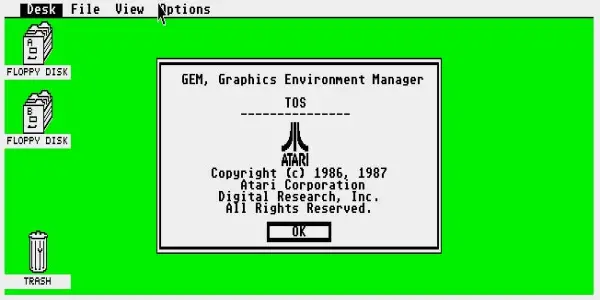
Explore the evolution of the GEM desktop environment and its groundbreaking role in making technology accessible through graphical interfaces, tracing its ro...
In-depth analysis
Why this matters
Awareness of environmental changes impacts policy, business, and daily life.
Real-world use case
Policy makers and activists use news to plan initiatives and campaigns.
Comparison
Single reports may be isolated; aggregated summaries reveal trends.
Limits / risks
Data accuracy varies; rely on credible scientific sources.
Did you know?
Why this concerns all of us
The evolution of user interfaces impacts not just tech enthusiasts but everyone who interacts with computers daily. From smartphones to smart home devices, the principles pioneered by GEM and graphical interfaces shape how we navigate the digital world. Understanding this history highlights the importance of intuitive design in enhancing productivity and accessibility, making technology more user-friendly for all.
Nature's hidden secret
Did you know that the graphical user interface (GUI) concept was first developed in the 1960s? Researchers at Xerox PARC envisioned a system where users could interact with computers using visual elements rather than text commands, paving the way for the user-friendly software we rely on today.
The person whose life climate changed
Lee Jay Lorenzen, a young developer from Dallas, faced skepticism when he joined Xerox in the early '80s. Tasked with creating a budget-friendly personal computer, he poured his heart into the Lone Star prototype. When he showcased this innovative work at PARC, the excitement was palpable. Lorenzen recalls the moment he realized the potential of graphical interfaces to transform everyday computing. His journey from a hopeful graduate to a key player in developing GEM reminds us that innovation often stems from passion and the desire to challenge the status quo. Today, Lorenzen reflects on how his work not only shaped the tech landscape but also empowered countless users globally, making computers more accessible and intuitive.
Expert Commentary
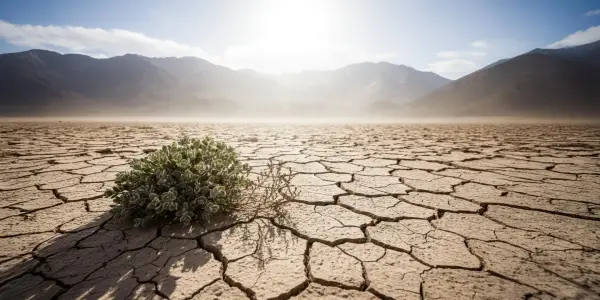
The Resilient Desert Flora Thrives in Extreme...


£9 Billion Government Initiative to Revamp...

Projected Plastic Waste to Exceed 280 Million...
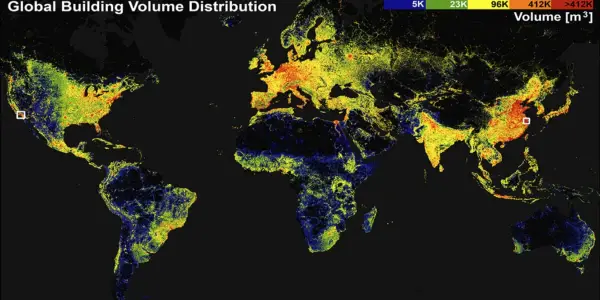
Comprehensive 3D Map Showcases Every Building on...
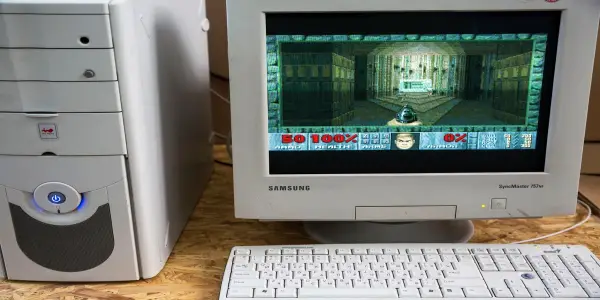
Doom's Programming Error Sparks Renewed Interest...

The Economic Risks of Abruptly Halting Solar...

UN Treaty for High Seas Conservation Now Effective

AI's Water Consumption May Soon Match That of 10...
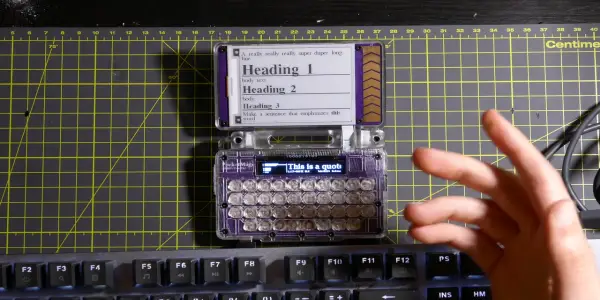
Introducing the Clamshell Writer Deck: A Focused...
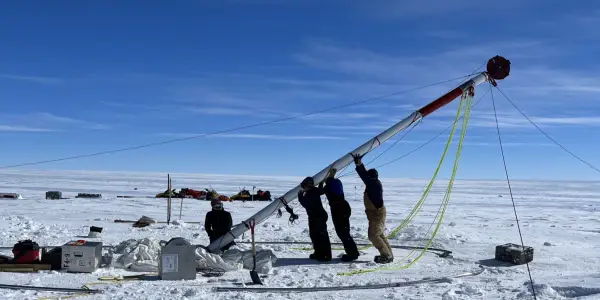
Ancient Ice Sample Reveals 6 Million-Year-Old Air...
Guide to Setting Up and Customizing Gemini Raise...

Revisiting India's Air Quality Standards Amid...

New Report Highlights Risks of Marine Carbon...

Global Climate Action in the Absence of the US: A...

Marvel Gears Up for a Major Avengers Event:...

Decline in Indian Passport Ranking Despite...

Revitalizing Wellness at Fairmont Chateau Lake...

Key Insights on the Future of Electricity Demand...

UK Prepares for Cold Snap with Snow Forecasts...

Puffins Make Historic Return to Isle of Muck...

The Crucible: A Test of Nerves in Snooker's Most...

Global Rice Yields Plummet Due to Extreme...

Tragic Cargo Plane Crash in Kentucky Claims Lives...

Top Five Books Exploring the Intersection of...

Key Insights Ahead of COP30 Summit in Brazil: A...

Pipeline Dispute Challenges Canada's Energy...

Lawsuit Alleges Tesla Wrongfully Terminated Deaf...

Cate Blanchett Joins Festive Guest Editors for...

New Lancet Report Reveals Alarming Impact of...
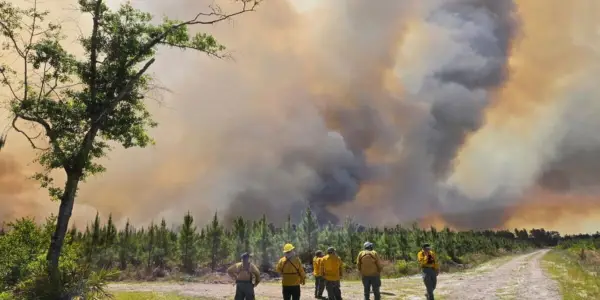
Hurricanes and Droughts: A Dangerous Connection...

Can New Alcohol Warning Labels Shift Ireland's...

Impact of Global Warming on Reptile Sex Ratios...
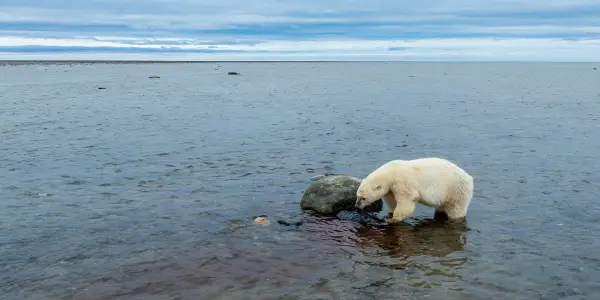
Reevaluating the Polar Bear Narrative Amid...

Residential ZIP Codes Linked to Increased...

Study Reveals Airborne Microplastics May...

Advocating for Forest Sovereignty: A Call for...

South Africa's G20 Agenda: Addressing Debt,...

Revival of Wild Turkeys: A Conservation Triumph...

The Impact of US Withdrawal on Global Climate...