The Anticipation Surrounding Apple's HomePod Touch: Two Key Reasons for Its Timely Arrival
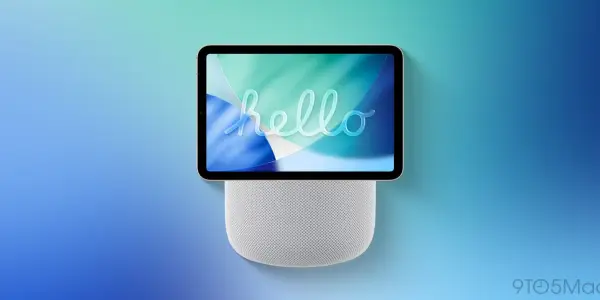
Apple's highly anticipated HomePod with a touchscreen, now likely to be named 'HomePod Touch,' is projected for release in early 2026. Here are two compelling reasons why its arrival is eagerly awaited.
In-depth analysis
Top trending topics
The upcoming launch of Apple's HomePod Touch is at the forefront of discussions in the tech community. With its integrated display and advanced Siri features, it aims to revitalize Apple's presence in the smart home market, challenging competitors like Amazon's Echo Show. Consumer interest is piqued as expectations for interactive experiences rise.
Audience engagement
Consumers are actively discussing the HomePod Touch, particularly its potential to enhance home assistant interactions. The focus on a more engaging user experience resonates with those frustrated by intrusive advertisements on rival devices, driving conversations around functionality and design.
Industry impact
The introduction of the HomePod Touch could significantly shift the smart home landscape, compelling competitors to innovate further. Apple's focus on refining Siri may set new benchmarks for user experience, potentially altering consumer expectations and influencing future product developments across the industry.
Future trends
As the smart home market evolves, the HomePod Touch may signal a shift towards devices that prioritize user experience over marketing gimmicks. The anticipated advancements in AI and user interaction will likely shape future innovations in smart home technology.
Did you know?
Why everyone is talking about this
The HomePod Touch is not just another smart speaker; it's a potential game-changer for Apple's smart home strategy. As competitors rapidly innovate, Apple's entry into this space with a display-equipped speaker signals a critical response to consumer demand for richer, more interactive experiences. Early speculation suggests it could redefine how users interact with their homes, sparking discussions about the future of smart technology.
What stays off-camera
Interestingly, Apple is reportedly investing in a dedicated team of AI experts to enhance Siri's capabilities specifically for the HomePod Touch. This focus aims to bridge the gap between voice and visual interaction, which may surprise many who view Siri as merely an afterthought in Apple's ecosystem.
A day behind the scenes
The development of the HomePod Touch involves a significant behind-the-scenes effort, including extensive user testing. Apple has enlisted a diverse group of beta testers, including families like the Martinez family in San Francisco, who provide feedback on daily interactions. Their insights reveal that visual interfaces can dramatically improve engagement, particularly for users who struggle with voice commands. This focus on real-life usability aims to ensure the device resonates with everyday users, addressing the shortcomings highlighted in past iterations of Siri and enhancing the overall user experience.
Expert Commentary

Understanding Google's Influence on Headline...

Exploring Historical Context in Pokémon Legends:...

Python Bytes: #459 Updates on Dependency...

Instagram's Adam Mosseri Warns of Authenticity...
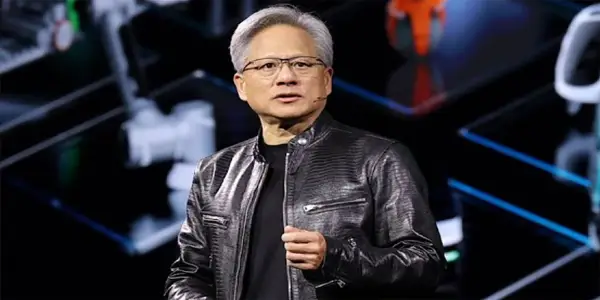
Nvidia CEO Warns: Jobs at Risk from AI Users, Not...

Trump's Controversial Remarks on Robert Mueller's...

Decline in Popularity of Trump Halloween Costumes...

UK Prime Minister Starmer Urged to Clarify...

Syria Initiates Extensive Operation to Eliminate...

Digital Reconstruction Brings Ancient Faces to...

Gamers Criticize NBA 2K for Fashion Updates Amid...

Norman Reedus Discusses Daryl Dixon's Connection...

Trump's Embrace of Project 2025 Presents...

Matt LeBlanc and Daughter Make Rare Public...
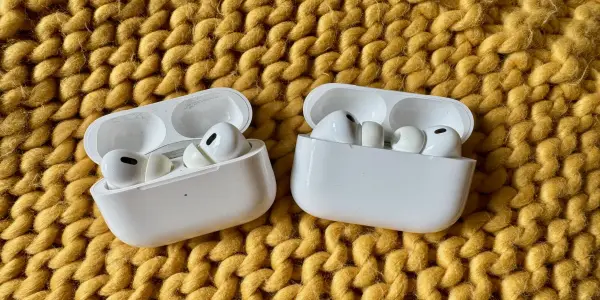
Apple AirPods Pro 3 Review: Impressive but Not a...

COP30 in Brazil: Addressing Global Climate Issues...

Exploring the Significance and Impact of Prayer...

2025 Nobel Prize in Physics Celebrates Advances...

Donald Trump's Evolving Stance on Jeffrey Epstein...

Apple TV Set to Launch Ambitious Sci-Fi Series...
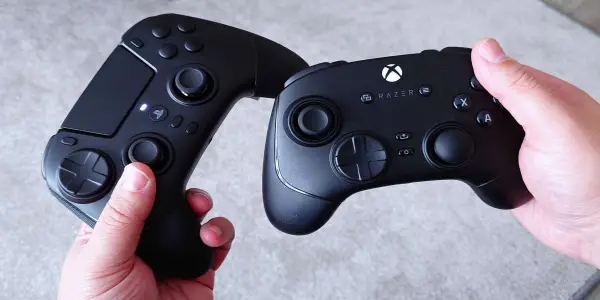
Top Controllers for Call of Duty: Black Ops 7 —...

NotebookLM Set for Significant Enhancement with...

Understanding AI's Role in Education: Insights...

Netflix Unveils Opening Scene of Stranger Things...

Prioritizing Cleanliness in Sabah's Tourism...

Asteroid 33 Polyhymnia May Contain Elements...

Lack of Grand Jury Approval Raises Doubts in...

UN Highlights Climate-Induced Displacement as...

Controversy Erupts Over BU Student's ICE Reports...

Katy Perry Opens Up About Her Relationship with...

Meta Launches Over 100 Topic-Based Communities on...

Former 'SNL' Writer Critiques Comedy's Cultural...

AI-Enhanced Teddy Bear Returns to Market After...
New Study Reveals How Personalized Algorithms...

NotebookLM Enhances Android Experience with...

BBC Presenter Faces Discipline for On-Air...

Google's John Mueller Questions the Need for...

Dispatch Creative Director Critiques Generative...

Melting Ice Reveals Record-Breaking Discoveries,...

From Taliban Fighter to Advocate: Maiwand...