Digital Reconstruction Brings Ancient Faces to Life, Including Julius Caesar
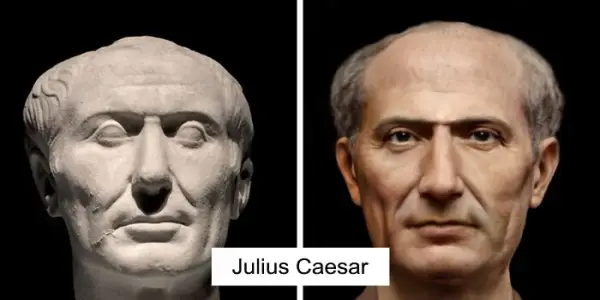
Alessandro Tomasi employs advanced technology to recreate the likenesses of notable historical figures, making ancient history more relatable and engaging.
In-depth analysis
Top trending topics
Alessandro Tomasi's digital reconstructions of historical figures, including Julius Caesar, are currently trending in educational and cultural discussions. This innovative approach merges technology with history, captivating audiences and stimulating renewed interest in ancient studies. The project highlights the intersection of art and science, sparking conversations on the role of digital media in learning.
Audience engagement
Tomasi's work has successfully engaged a diverse audience, particularly among younger generations. By providing lifelike visualizations of historical figures, he has created a platform for deeper exploration and interaction, encouraging viewers to connect emotionally with history.
Industry impact
The initiative by Tomasi is reshaping the landscape of historical education, showcasing the effectiveness of visual media in teaching. This project not only enhances the learning experience but also sets a precedent for future educational tools that prioritize engagement and accessibility in historical studies.
Future trends
The integration of technology in historical representation is poised to expand, with a growing emphasis on interactive learning. As educators seek innovative methods to engage students, initiatives like Tomasi's are likely to inspire further developments in digital humanities.
Did you know?
Why everyone is talking about this
Alessandro Tomasi's digital reconstructions are reshaping how we connect with history. By bringing figures like Julius Caesar to life visually, he taps into the imaginations of younger audiences who often disengage from traditional texts. This innovative blend of technology and ancient narratives not only captivates but also challenges how we perceive our historical roots, fostering a renewed curiosity about the past.
What stays off-camera
While Tomasi's work showcases lifelike representations, the underlying software relies on algorithms that can interpret not just facial structures but also the cultural context of the era. This means that each reconstructed face is not merely a visual artifact but a complex interplay of history, science, and art, rooted in meticulous research and historical accuracy.
A day behind the scenes
On a typical day in Tomasi's studio, the atmosphere buzzes with a mix of excitement and precision. After analyzing artifacts, Tomasi spends hours refining digital models, often collaborating with historians to ensure every detail is accurate. One unexpected aspect is the emotional toll; recreating the likeness of figures who shaped history can weigh heavily on him. Tomasi recalls a moment when he presented a reconstruction of Cleopatra—seeing her imagined face brought tears to the eyes of a history teacher present. 'It’s not just art,' he says, 'it’s a connection to our shared humanity.' This blend of artistry and emotion underlines why his work resonates so deeply.
Expert Commentary

New Teaser for 'Avengers: Doomsday' Hints at...
Digital Reconstruction Brings Ancient Faces to...

Reflecting on 'Toy Story': A Milestone in...

Gilmore Girls Stars Discuss Rory's Boyfriend...
Instagram's Adam Mosseri Warns of Authenticity...

The Debate Over Retrocomputing: Emulation vs....

JD Vance Links UFOs to Demonic Entities in...

Syria Initiates Extensive Operation to Eliminate...
Integrating Obsidian, Zotero, and NotebookLM: A...

Musical Imperfections: Notable Mistakes by Iconic...

Streaming Show Fans Express Discontent Over...

Tim Cook Engages with President Trump and Tech...

Study Warns Students: Relying on ChatGPT May...
Exploring Bazzite: A New Contender in the PC...
Insights from Students Shape the Future of Ada...

Unlocking Python Learning with NotebookLM: A...

Scott Patterson's Bold Stance on Rory's...

Tech News Roundup: Innovations from Samsung and...

Reddit CEO Steve Huffman Achieves Billionaire...
Google's NotebookLM Mobile Introduces Enhanced...
Decline in Popularity of Trump Halloween Costumes...
Google Unveils Gemini 3: A Major Leap in AI...

Three Key Reasons Your Executive Isn’t Making an...
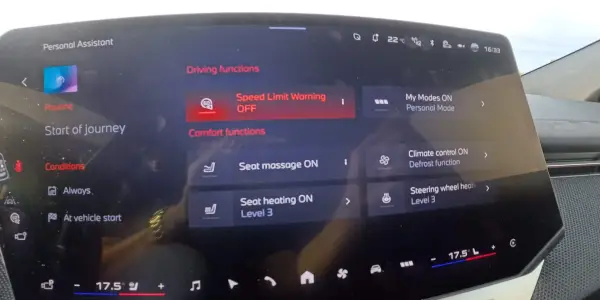
Understanding BMW iX3's Driving Mode Limitations:...

Las Cruces Police Chief Calls for Public Support...

Melting Ice Reveals Record-Breaking Discoveries,...
U.S. Start-Up Develops Innovative Lithography...
Exploring the Complexities of Gender Differences...

The Disruptive 'Mosquito Buzz' at Shibuya Station...

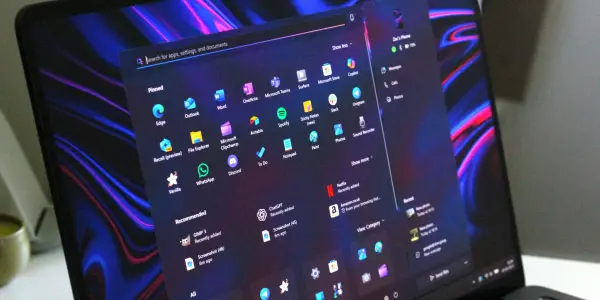
Exploring the Rise of Windows 11 Debloating Tools...

Google's John Mueller Questions the Need for...
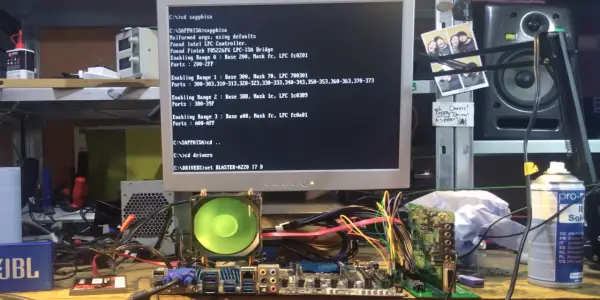
Integrating ISA Ports into Contemporary...

The Erosion of Democratic Discourse in America
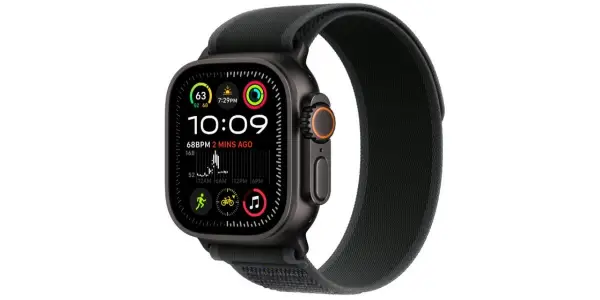
Federal Jury Orders Apple to Compensate Masimo in...

Fox News' Misrepresentation of Portland Protests...

BBC Presenter Faces Discipline for On-Air...
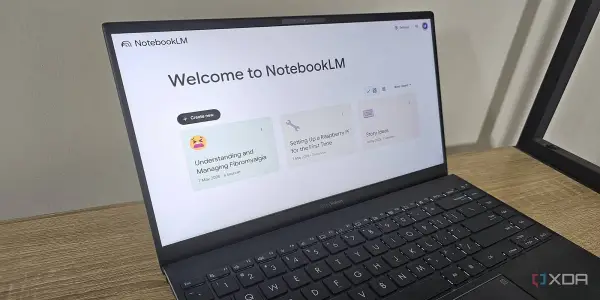
Incorporating NotebookLM Revolutionizes Freelance...

Samsung TVs to Integrate Google Photos, Enhancing...