Trump Cancels Trip for Iran Peace Talks Amid Ongoing Diplomatic Uncertainty
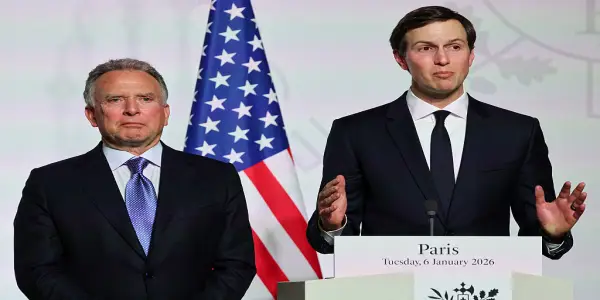
The cancellation underscores the fragile state of U.S.-Iran negotiations as diplomatic efforts face significant challenges and instability.
In-depth analysis
Top trending topics
The cancellation of Donald Trump's trip for peace talks has emerged as a significant topic in international relations, particularly concerning U.S.-Iran diplomacy. This development underscores ongoing tensions surrounding Iran's nuclear program and the broader regional ceasefire efforts. Observers are closely monitoring how this decision will affect future negotiations and diplomatic strategies.
Audience engagement
Public interest in U.S.-Iran relations remains high, with many engaging in discussions about the implications of Trump's cancellation. Social media platforms are buzzing with opinions and analyses, reflecting the complexity and urgency of the geopolitical landscape.
Industry impact
The abrupt cancellation of the peace talks is likely to reverberate through diplomatic circles, affecting not only U.S.-Iran relations but also the roles of mediators like Pakistan. The fluid nature of negotiations raises questions about the effectiveness of current diplomatic strategies and the future of international mediation efforts.
Future trends
As diplomatic efforts continue to evolve, the landscape may shift towards more informal channels of communication. Future negotiations could increasingly rely on backchannel discussions, reflecting a need for adaptability in addressing the complexities of U.S.-Iran relations.
Did you know?
Why everyone is talking about this
Trump's cancellation of peace talks has sparked intense discussion not just about U.S.-Iran relations but also about the broader implications for global diplomacy. As tensions mount, observers are questioning the effectiveness of backchannel negotiations. The unpredictability of diplomatic engagements in a volatile region raises concerns, leaving many to wonder whether meaningful progress can ever be achieved.
What stays off-camera
One little-known detail about the recent negotiations is that Pakistan has been quietly facilitating dialogues between the U.S. and Iran for years. This intermediary role, often overlooked, highlights the importance of regional players in navigating complex international disputes, showcasing how smaller nations can influence major geopolitical conversations.
A day behind the scenes
During the lead-up to Trump's planned trip, diplomatic teams had been working around the clock, often in secrecy, to prepare for a series of high-stakes discussions. Each day, a small group of aides coordinated logistics, monitored social media for public sentiment, and even rehearsed potential talking points. Amid this, an aide named Sarah, who had been involved in these negotiations for over a year, reported a palpable tension in the air. She noted that every cancellation could unravel months of delicate planning, reminding her of the real lives affected by these decisions. For Sarah, it wasn't just about politics; it was about finding a path to peace for families caught in the crossfire.
Expert Commentary

Streamlining Research: A Five-Step Workflow with...

The Cognitive Impact of AI: How Tools Like...

Google's John Mueller Questions the Need for...

New Research Offers Effective Method to Safeguard...
Paramount Makes Bold $108 Billion Offer for...

Reflecting on 'Toy Story': A Milestone in...
Digital Reconstruction Brings Ancient Faces to...

U.S. Start-Up Develops Innovative Lithography...

Controversy Erupts Over BU Student's ICE Reports...

Critical Vulnerability Exposed in OpenClaw:...
Google's NotebookLM Mobile Introduces Enhanced...

Jack Osbourne Faces Backlash for Emotional...

Exploring the Complexities of Childhood in...
Unlocking Python Learning with NotebookLM: A...

The Future of Higher Education: Navigating Cost...

Debunking the Myth: Do Metal Spoons Keep...

Netflix Unveils Opening Scene of Stranger Things...

Lily Allen Opens Up About Her Heartfelt Album...
JD Vance Links UFOs to Demonic Entities in...

NotebookLM Enhances Android Experience with...

Understanding AI's Role in Education: Insights...

Instagram's Adam Mosseri Warns of Authenticity...

Microsoft Faces Social Media Backlash Amid AI...

Three Mobile Apps to Acquire Lucrative Skills in...

30 Days with a Google TV Projector: A Bedroom...
Implications of the US-China Trade Agreement on...
Syria Initiates Extensive Operation to Eliminate...
Reddit CEO Steve Huffman Achieves Billionaire...

Sisterly Conflict Erupts Over Wedding Plans as...
Integrating Obsidian, Zotero, and NotebookLM: A...

Judson Althoff to Lead Microsoft Ignite 2025...
New York City Mayoral Election Draws National...

Dispatch Creative Director Critiques Generative...

Google Launches Early Access for Gemini Voice...
UN Highlights Climate-Induced Displacement as...

Exploring Bazzite: A New Contender in the PC...

Tech News Roundup: Innovations from Samsung and...
OpenAI Engineer Shares Insights on Swift Hiring...

Melting Ice Reveals Record-Breaking Discoveries,...