UN Highlights Climate-Induced Displacement as COP30 Commences in Brazil
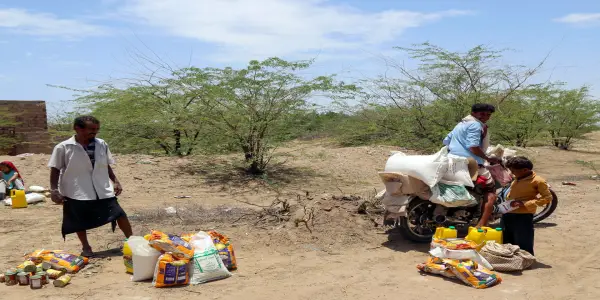
As COP30 opens in Brazil, the UN warns of climate-induced displacement affecting a quarter of a billion people, urging urgent global action against climate c...
In-depth analysis
Top trending topics
As COP30 commences in Brazil, climate change and its impact on global displacement are at the forefront of discussions. The UNHCR's alarming report highlights the displacement of a quarter of a billion individuals due to climate-related disasters, emphasizing the urgent need for collective action to combat these escalating challenges.
Audience engagement
The public's response to the UNHCR's findings has been significant, with many expressing concern over the increasing number of displaced individuals. Social media discussions reflect a growing awareness of the intersection between climate change and humanitarian crises.
Industry impact
The findings from COP30 are likely to reshape policies within the humanitarian and environmental sectors. As funding for climate adaptation decreases, organizations face mounting pressure to innovate solutions that address both climate resilience and the needs of displaced populations.
Future trends
Looking ahead, the intersection of climate change and displacement will likely dominate global policy agendas. Increased collaboration between nations and enhanced funding mechanisms will be critical to addressing the complex challenges posed by climate-related migration.
Did you know?
Why everyone is talking about this
The urgency of COP30 is magnified by the stark statistics from the UNHCR report, which reveal a chilling intersection of climate change and human displacement. As the number of people fleeing their homes due to climate-related disasters reaches alarming levels, the conversation shifts from mere awareness to action. With nations facing the dual crises of climate and conflict, the stakes have never been higher for global cooperation.
What stays off-camera
While attention often focuses on high-profile attendees at COP30, many grassroots organizations are quietly working on the frontlines of climate displacement. For instance, local NGOs in The Gambia are helping displaced families adapt to extreme heat, with some communities reporting up to 100 days a year of hazardous conditions, highlighting the urgent need for tailored support.
A day behind the scenes
Behind the scenes at COP30, the logistics of hosting thousands of participants are staggering. On any given day, teams coordinate transport, security, and accommodations for delegates. An unexpected challenge arose when local communities voiced their concerns about increased carbon footprints from the event. In response, organizers implemented a sustainability plan that includes carbon offset initiatives, aiming to leave a minimal environmental impact while fostering global dialogue.
Expert Commentary

NotebookLM Enhances Android Experience with...

The Disruptive 'Mosquito Buzz' at Shibuya Station...

The Future of Higher Education: Navigating Cost...

Tech Leaders Embrace Controversial Views on Human...

Norman Reedus Discusses Daryl Dixon's Connection...


Microsoft Faces Social Media Backlash Amid AI...

COP30 in Brazil: Addressing Global Climate Issues...

Three Mobile Apps to Acquire Lucrative Skills in...

Musical Imperfections: Notable Mistakes by Iconic...

Trump Challenges Validity of Biden's Turkey...

Google Launches Early Access for Gemini Voice...
UN Highlights Climate-Induced Displacement as...

Critical Vulnerability Exposed in OpenClaw:...

The Existential Threat of Artificial General...

Jack Osbourne Faces Backlash for Emotional...

Rachel Sennott Embraces Los Angeles in New HBO...

JD Vance Links UFOs to Demonic Entities in...

Understanding BMW iX3's Driving Mode Limitations:...

The Enigmatic Ado: A Voice that Defies Visibility

The Debate Over Retrocomputing: Emulation vs....

FIA Addresses Controversy Over Marshal...

NotebookLM's Innovative Features Transform...

Tech News Roundup: Innovations from Samsung and...

Top Controllers for Call of Duty: Black Ops 7 —...

Unlocking Python Learning with NotebookLM: A...

AI-Enhanced Teddy Bear Returns to Market After...

Lina Khan Discusses Antitrust Issues on 'The Adam...

Sisterly Conflict Erupts Over Wedding Plans as...

Understanding AI's Role in Education: Insights...

Maximize Your Use of NotebookLM with These Five...

Streaming Show Fans Express Discontent Over...

The Cognitive Impact of AI: How Tools Like...

Germany Reviews Apple's Modifications to App...

Megyn Kelly Sparks Outrage Over Comments on...

Las Cruces Police Chief Calls for Public Support...

Gamers Criticize NBA 2K for Fashion Updates Amid...

The Importance of Breathwork in Daily Life

BBC Presenter Faces Discipline for On-Air...