The Impact of Smartphone Notifications on Cognitive Performance Revealed by Research
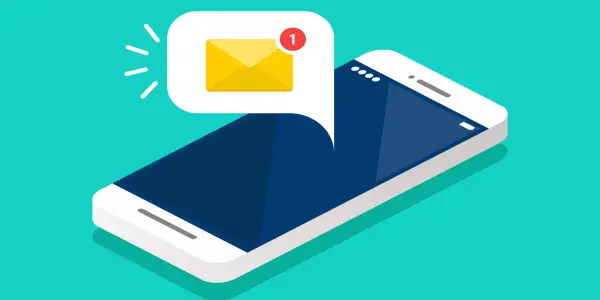
Recent studies highlight how smartphone notifications can impair attention and reaction times, raising concerns about mental health and productivity.
In-depth analysis
Top trending topics
The impact of smartphone notifications on cognitive performance is gaining traction in both academic and public discourse. Recent studies highlight how interruptions from phones can lead to slower response times and heightened error rates, prompting discussions about smartphone addiction and its implications for mental health and productivity.
Audience engagement
Readers are increasingly interested in the psychological effects of smartphone use, as evidenced by rising social media discussions and online forums dedicated to mental health and technology. This engagement reflects a broader societal concern regarding attention spans and cognitive health in the digital age.
Industry impact
The findings on smartphone interruptions are prompting industries, particularly in tech and education, to reassess their approaches to communication and productivity. Companies may need to implement strategies that mitigate distractions, fostering environments that prioritize focused work and mental well-being among employees and students.
Future trends
As technology evolves, future trends may include the development of smarter notification systems that prioritize essential communications and reduce cognitive overload. This shift could lead to innovations aimed at enhancing user focus and overall mental health in an increasingly connected world.
Did you know?
Why everyone is talking about this
The discussion around smartphone notifications is resonating widely as people grapple with their own experiences of distraction. With a growing body of research linking phone interruptions to cognitive decline, individuals are reflecting on their daily habits. This isn't just a tech issue; it challenges our understanding of productivity, mental health, and the very nature of human connection in an always-on world.
What stays off-camera
Many users are unaware that the average person checks their phone over 100 times a day, with studies showing that just the sound of a notification can disrupt focus for up to 25 minutes. This staggering statistic highlights the pervasive influence of smartphones on our attention spans and productivity.
A day behind the scenes
Consider Sarah, a high school teacher in New York City. She often finds herself battling the barrage of notifications during class, as students' phones buzz relentlessly. Despite her efforts to engage students, she observes that even brief interruptions can derail discussions. In one instance, a student missed a key concept due to a text alert, illustrating just how disruptive these devices can be in educational settings. Sarah’s experience reflects a broader challenge faced by educators striving to maintain engagement in a hyper-connected society.
Expert Commentary

The Importance of Breathwork in Daily Life

Study Warns Students: Relying on ChatGPT May...

Republicans Strategize for 2026 Midterms Without...

HBO's 'The Pitt' Sparks Increased Interest in...

AI-Enhanced Teddy Bear Returns to Market After...

Syria Initiates Extensive Operation to Eliminate...

The Enigmatic Ado: A Voice that Defies Visibility

Anticipation Builds for The Walking Dead: Daryl...

UN Highlights Climate-Induced Displacement as...

Repeated Legal Setbacks for Jeanine Pirro in Case...

Gamers Criticize NBA 2K for Fashion Updates Amid...

The Future of Higher Education: Navigating Cost...

Streaming Show Fans Express Discontent Over...

Gilmore Girls Stars Discuss Rory's Boyfriend...

Fox News' Misrepresentation of Portland Protests...

Unlocking Python Learning with NotebookLM: A...

FIA Addresses Controversy Over Marshal...
NotebookLM's Innovative Features Transform...

Google's John Mueller Questions the Need for...

Scott Patterson's Bold Stance on Rory's...

Decline in Popularity of Trump Halloween Costumes...

Lily Allen Opens Up About Her Heartfelt Album...

New Research Offers Effective Method to Safeguard...

Sydney Sweeney's Sheer Dress Sparks Debate at...

The Debate Over Retrocomputing: Emulation vs....

Judson Althoff to Lead Microsoft Ignite 2025...
Understanding Google's Influence on Headline...

Streamlining Research: A Five-Step Workflow with...
Integrating Obsidian, Zotero, and NotebookLM: A...

Shifts in ICE Strategy Following Minneapolis...

Jimmy Fallon Dines with Royal Guard Amid...

Instagram's Adam Mosseri Warns of Authenticity...

Three Key Reasons Your Executive Isn’t Making an...

30 Days with a Google TV Projector: A Bedroom...

BBC Presenter Faces Discipline for On-Air...

Sanders Backs Maine Senate Candidate Amid...
Google Unveils Gemini 3: A Major Leap in AI...

Lina Khan Discusses Antitrust Issues on 'The Adam...

Dispatch Creative Director Critiques Generative...