Figma Introduces AI-Enhanced Motion Graphics and Shader Tools at Config Conference
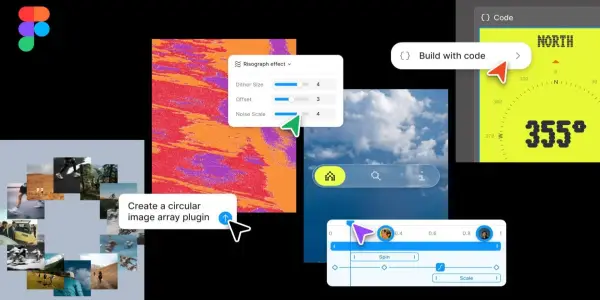
Figma has launched innovative AI-driven design tools aimed at streamlining workflows and enhancing creative expression for users worldwide.
In-depth analysis
Top trending topics
Figma's latest updates at the Config conference have sparked discussions around the integration of AI in design tools. Key features include code layers for seamless collaboration, advanced motion design tools for animations, and innovative shader effects, all aimed at enhancing creative workflows and bridging the gap between design and development.
Audience engagement
The introduction of user-friendly features like generative plugins and Weave integration has resonated with both novice and experienced designers, encouraging greater interaction and collaboration within the Figma community.
Industry impact
Figma's advancements are poised to influence the design industry significantly, as they not only streamline workflows but also set a benchmark for how AI can enhance collaborative design processes, potentially reshaping market dynamics.
Future trends
As AI continues to evolve, Figma's commitment to innovation suggests that future updates will likely focus on deeper integrations and enhanced user experiences, further democratizing design capabilities across various skill levels.
Did you know?
Why everyone is talking about this
Figma's latest updates showcase a significant shift in the design landscape, where AI not only streamlines workflows but also fosters creativity. By integrating code layers and advanced motion design tools, Figma is not just enhancing efficiency; it's reshaping how designers and developers collaborate. This blend of creativity and technology is sparking discussions about the future role of AI in creative processes, challenging traditional design paradigms.
What stays off-camera
Despite the spotlight on Figma's powerful new tools, many users may not realize that the platform's shader effects utilize Web technology previously unsupported in Figma. This innovation marks a pivotal moment in visual design, allowing for more advanced effects and making the platform a competitive choice for designers seeking versatility.
A day behind the scenes
Meet Maya, a product designer who spent her day at the Config conference exploring Figma's new features. Surrounded by fellow creatives, she was particularly excited about the code layers that allow seamless collaboration with developers. As she demonstrated the new motion design tools to her team, she noted how the AI enhancements could transform their workflow. These tools, once complex and time-consuming, are now accessible, enabling Maya and her colleagues to experiment and innovate without the usual constraints. The atmosphere buzzed with ideas, showcasing how Figma's updates aren't just features—they're catalysts for creative collaboration.
Expert Commentary

Three Mobile Apps to Acquire Lucrative Skills in...

Fox News' Misrepresentation of Portland Protests...

Netflix Unveils Opening Scene of Stranger Things...

The Future of Higher Education: Navigating Cost...

Lina Khan Discusses Antitrust Issues on 'The Adam...

Sanders Backs Maine Senate Candidate Amid...

Navigating Difficult Family Conversations:...

Syria Initiates Extensive Operation to Eliminate...

Controversy Erupts Over BU Student's ICE Reports...

Linus Torvalds Endorses 'Vibe Coding' for...

Understanding AI's Role in Education: Insights...

Judson Althoff to Lead Microsoft Ignite 2025...

Key Developments in Video Gaming to Anticipate in...

Trump's Controversial Remarks on Robert Mueller's...

The Enigmatic Ado: A Voice that Defies Visibility

Exploring Time Travel and Quantum Concepts with...

New York City Mayor-elect Zohran Mamdani Takes...

Lack of Grand Jury Approval Raises Doubts in...

Microsoft Faces Social Media Backlash Amid AI...
Instagram's Adam Mosseri Warns of Authenticity...

Incorporating NotebookLM Revolutionizes Freelance...

New York City Mayoral Election Draws National...
Federal Jury Orders Apple to Compensate Masimo in...

Germany Reviews Apple's Modifications to App...

Samsung TVs to Integrate Google Photos, Enhancing...

Norman Reedus Discusses Daryl Dixon's Connection...

Decline in Sales of Trump-Related Books Signals...

FIA Addresses Controversy Over Marshal...

Critical Vulnerability Exposed in OpenClaw:...

JD Vance Links UFOs to Demonic Entities in...

Exploring Historical Context in Pokémon Legends:...

Integrating ISA Ports into Contemporary...

NotebookLM's Innovative Features Transform...

Tech News Roundup: Innovations from Samsung and...

The Cognitive Impact of AI: How Tools Like...

Top Controllers for Call of Duty: Black Ops 7 —...

BBC Presenter Faces Discipline for On-Air...

Decline in Popularity of Trump Halloween Costumes...

Maximize Your Use of NotebookLM with These Five...

Jon Stewart Committed to 'The Daily Show' Amid...