The Debate Over Retrocomputing: Emulation vs. Authenticity

As the holiday season approaches, discussions about retrocomputing are gaining traction among enthusiasts. This article explores the ongoing debate about the authenticity of simulated systems versus original hardware.
In-depth analysis
Top trending topics
The holiday season has sparked heightened discussions around retrocomputing, particularly the debate over the authenticity of emulators versus original hardware. As tech enthusiasts engage in this lively discourse, the intersection of nostalgia and modern technology captivates a growing audience, reflecting a renewed interest in vintage computing experiences and their implications for contemporary users.
Audience engagement
Enthusiasts are increasingly participating in discussions about retrocomputing, sharing insights and experiences related to both original hardware and emulators. This engagement highlights a community eager to explore the nuances of vintage technology and its relevance today.
Industry impact
The ongoing debate around retrocomputing influences both hobbyist culture and educational initiatives. As emulators gain traction, they provide accessible entry points for newcomers, while original hardware remains cherished by purists, shaping market trends and product development in the tech industry.
Future trends
Looking ahead, the retrocomputing landscape is likely to evolve as technology continues to blend nostalgia with modern capabilities. This will foster innovative educational tools and inspire new generations to engage with computing concepts in both physical and simulated environments.
Did you know?
Why everyone is talking about this
The retrocomputing debate highlights a fascinating intersection of nostalgia and innovation. As technology evolves, enthusiasts grapple with what 'authenticity' means in a digital age. The passion surrounding this topic isn't just about machines; it reflects deeper sentiments about memory, learning, and the value of hands-on experience, drawing in both seasoned veterans and curious newcomers.
What stays off-camera
Many hobbyists are unaware that the first successful home computer, the Altair 8800, was initially sold as a kit and required users to assemble it themselves. This DIY aspect fostered a culture of creativity and problem-solving that laid the groundwork for today’s tech-savvy community.
A day behind the scenes
In the world of retrocomputing, enthusiasts often spend hours restoring vintage machines, but one surprising aspect is the community's extensive documentation efforts. For instance, the ‘Vintage Computer Federation’ preserves not only hardware but also the stories behind them. Members like Jordan Lee, who restored a 1982 Commodore 64, shared how finding old manuals and user notes ignited a sense of connection to the past, transforming simple repairs into historical investigations. This dedication ensures that the legacy of these machines continues to inspire new generations.
Expert Commentary
Understanding BMW iX3's Driving Mode Limitations:...
Incorporating NotebookLM Revolutionizes Freelance...

Maximize Your Use of NotebookLM with These Five...

Reddit CEO Steve Huffman Achieves Billionaire...

Scott Patterson's Bold Stance on Rory's...

The Enigmatic Ado: A Voice that Defies Visibility

Shifts in ICE Strategy Following Minneapolis...

The Disruptive 'Mosquito Buzz' at Shibuya Station...

Study Warns Students: Relying on ChatGPT May...

Sisterly Conflict Erupts Over Wedding Plans as...

NotebookLM Enhances Android Experience with...

Lina Khan Discusses Antitrust Issues on 'The Adam...

Google Unveils Gemini 3: A Major Leap in AI...

Streaming Show Fans Express Discontent Over...

Navigating Difficult Family Conversations:...

New York City Mayoral Election Draws National...

Rachel Sennott Embraces Los Angeles in New HBO...

Three Key Reasons Your Executive Isn’t Making an...

New Research Offers Effective Method to Safeguard...
Unlocking Python Learning with NotebookLM: A...
Integrating ISA Ports into Contemporary...

Exploring Time Travel and Quantum Concepts with...
The Debate Over Retrocomputing: Emulation vs....

Gamers Criticize NBA 2K for Fashion Updates Amid...
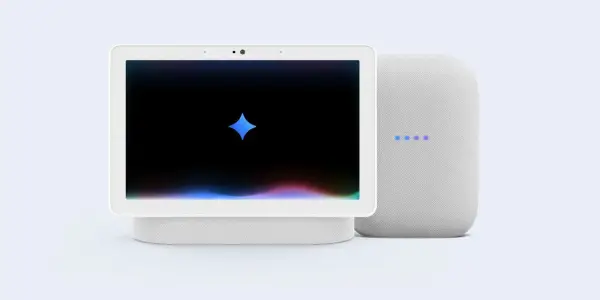
Google Launches Early Access for Gemini Voice...


Lily Allen Opens Up About Her Heartfelt Album...
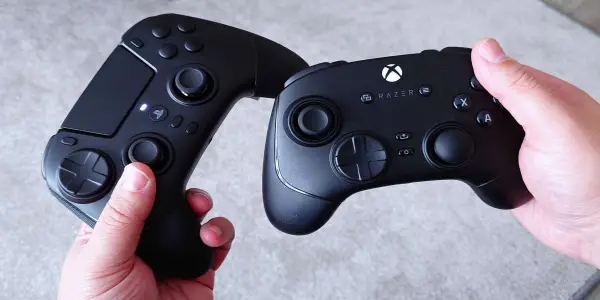
Top Controllers for Call of Duty: Black Ops 7 —...

AI-Enhanced Teddy Bear Returns to Market After...

Apple TV Set to Launch Ambitious Sci-Fi Series...

Musical Imperfections: Notable Mistakes by Iconic...

Controversy Erupts Over BU Student's ICE Reports...
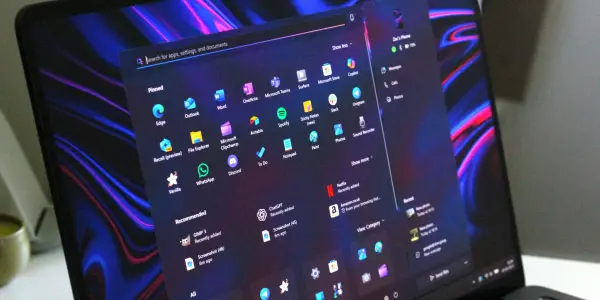
Exploring the Rise of Windows 11 Debloating Tools...
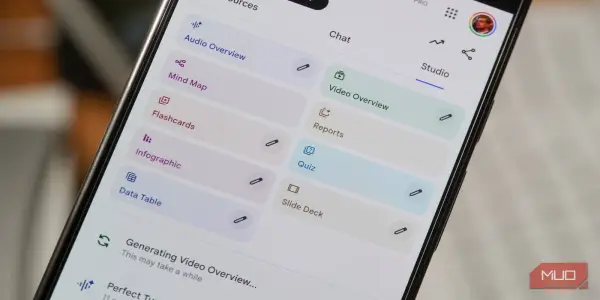
NotebookLM's Innovative Features Transform...

Reflecting on 'Toy Story': A Milestone in...

Python Bytes: #459 Updates on Dependency...

JD Vance Links UFOs to Demonic Entities in...

Critical Vulnerability Exposed in OpenClaw:...

Understanding AI's Role in Education: Insights...

Trump Challenges Validity of Biden's Turkey...