New Study Reveals How Personalized Algorithms Impact Learning and Knowledge Acquisition
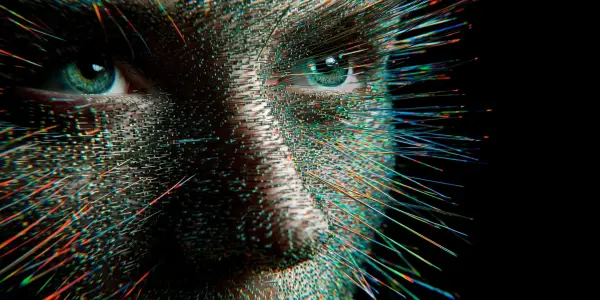
Recent research indicates that personalized algorithms may hinder effective learning by limiting exposure to diverse information, even for individuals with no pre-existing knowledge.
In-depth analysis
Top trending topics
The ongoing debate surrounding personalized recommendation algorithms is gaining traction, particularly regarding their role in educational settings. Recent studies reveal alarming trends in how these algorithms can limit users' exploration of information, leading to misconceptions. This has sparked discussions among educators, technologists, and psychologists about the broader implications for learning and knowledge acquisition.
Audience engagement
Users are increasingly expressing concern over the influence of algorithms on their learning experiences. This growing awareness prompts discussions and debates across social media platforms, highlighting the need for transparency and accountability in content curation.
Industry impact
The findings of this study pose significant challenges for educational technology companies and content platforms. As reliance on algorithm-driven recommendations increases, stakeholders must address the potential for misinformation and biases that could undermine the learning process and user trust.
Future trends
As digital learning tools evolve, there is a pressing need for more sophisticated algorithms that promote diverse content exposure. Future developments may focus on balancing personalization with broader informational access to enhance educational outcomes.
Did you know?
Why everyone is talking about this
The implications of this study resonate deeply in a digital age where algorithms are the gatekeepers of knowledge. As more learners turn to platforms like YouTube for education, the risk of receiving a skewed perspective becomes critical. This research challenges educators and content creators to reconsider how they use technology, emphasizing the need for diverse information sources to foster well-rounded understanding.
What stays off-camera
Interestingly, the study indicates that even a single exposure to algorithm-driven content can lead to lasting misconceptions. This suggests that the initial stages of learning are particularly susceptible to bias, raising concerns about how quickly misinformation can take root in a learner's mind.
A day behind the scenes
Imagine Sarah, a high school teacher in Ohio, who integrates YouTube into her lessons to engage students. After learning about the study, she felt a pang of worry about the videos her students frequently watched. In her classroom, she has noticed that students often rely on recommendations rather than searching for diverse perspectives. Now, she plans to incorporate discussions on algorithmic bias into her curriculum, helping her students critically evaluate the content they consume and understand the broader implications of their digital learning choices.
Expert Commentary

JD Vance Links UFOs to Demonic Entities in...

Norman Reedus Discusses Daryl Dixon's Connection...

Judson Althoff to Lead Microsoft Ignite 2025...
New Study Reveals How Personalized Algorithms...

Shifts in ICE Strategy Following Minneapolis...

Decline in Sales of Trump-Related Books Signals...

The Erosion of Democratic Discourse in America

Rachel Sennott Embraces Los Angeles in New HBO...

Google Launches Early Access for Gemini Voice...
Tech Leaders Embrace Controversial Views on Human...

30 Days with a Google TV Projector: A Bedroom...

BBC Presenter Faces Discipline for On-Air...
Digital Reconstruction Brings Ancient Faces to...

Jack Osbourne Faces Backlash for Emotional...

Unlocking Python Learning with NotebookLM: A...
Understanding BMW iX3's Driving Mode Limitations:...

Exploring the Complexities of Childhood in...

Reflecting on 'Toy Story': A Milestone in...

NotebookLM Enhances Android Experience with...

Germany Reviews Apple's Modifications to App...

New Teaser for 'Avengers: Doomsday' Hints at...

Key Developments in Video Gaming to Anticipate in...

Trump's Controversial Remarks on Robert Mueller's...

Streaming Show Fans Express Discontent Over...

NotebookLM's Innovative Features Transform...

Jon Stewart Committed to 'The Daily Show' Amid...

Microsoft Faces Social Media Backlash Amid AI...

Google's John Mueller Questions the Need for...

Dispatch Creative Director Critiques Generative...

Lack of Grand Jury Approval Raises Doubts in...

New York City Mayor-elect Zohran Mamdani Takes...

Asteroid 33 Polyhymnia May Contain Elements...

Fox News' Misrepresentation of Portland Protests...
Integrating Obsidian, Zotero, and NotebookLM: A...

Understanding AI's Role in Education: Insights...

Exploring Bazzite: A New Contender in the PC...
Google's NotebookLM Mobile Introduces Enhanced...

Study Warns Students: Relying on ChatGPT May...

Sisterly Conflict Erupts Over Wedding Plans as...

Integrating ISA Ports into Contemporary...