Singapore Mandates Anti-Spoofing Measures for iMessage by December

In an effort to combat the rise of online scams, Singapore has directed Apple to implement new anti-spoofing protections for iMessage, requiring the company to filter messages that impersonate government agencies by December, as reported by the Straits Times.
In-depth analysis
Top trending topics
The recent directive from the Singaporean government to Apple and Google regarding enhanced security measures on messaging platforms is gaining significant attention. This move highlights the urgent need to combat online scams, particularly those involving impersonation of government agencies, which have surged in recent months. Discussions around digital safety and regulatory actions are dominating conversations across various media.
Audience engagement
Public interest in digital security is surging as citizens express concerns over online scams. The government's proactive measures are prompting discussions among users about the importance of verifying identities in digital communications and the role of tech companies in safeguarding user information.
Industry impact
This regulatory action underscores a pivotal shift in how governments are engaging with technology firms to enhance consumer protection. By mandating stricter controls on messaging platforms, it signals a growing expectation for accountability and transparency from tech companies in preventing fraud and safeguarding user trust.
Future trends
As governments worldwide intensify scrutiny of digital communication platforms, future regulations are likely to focus on user identity verification and fraud prevention. This trend may lead to more robust security measures and innovative technologies aimed at protecting consumers in an increasingly digital landscape.
Did you know?
Why everyone is talking about this
The urgency behind Singapore's crackdown on online scams reflects a growing global concern about digital safety. With scammers becoming increasingly sophisticated, the government's proactive approach signals a shift towards stricter regulations for tech companies. This move not only protects citizens but also sets a precedent for other nations grappling with similar issues, emphasizing the need for collaborative efforts in cybersecurity.
What stays off-camera
While many are aware of the scams, few know that Singapore's Cyber Security Agency reported a staggering 1,000 scam incidents in just the first half of this year. This alarming figure highlights the extent of the issue and the necessity for robust measures to protect citizens from fraudulent schemes.
A day behind the scenes
Imagine a day in the life of Sarah Lim, a fraud prevention officer at Singapore's Ministry of Home Affairs. Each morning, Sarah reviews incoming reports of scams, often feeling overwhelmed by the sheer volume. What surprises many is that her team collaborates closely with tech giants like Apple to analyze scam trends and develop effective countermeasures. The complexity of this partnership reveals the challenges of balancing innovation in communication with the urgent need for user safety, transforming how both the government and tech companies approach cybersecurity.
Expert Commentary

Trump Challenges Validity of Biden's Turkey...

Incorporating NotebookLM Revolutionizes Freelance...

Maximize Your Use of NotebookLM with These Five...

Reddit CEO Steve Huffman Achieves Billionaire...

Scott Patterson's Bold Stance on Rory's...

The Enigmatic Ado: A Voice that Defies Visibility

Germany Reviews Apple's Modifications to App...

The Disruptive 'Mosquito Buzz' at Shibuya Station...

Study Warns Students: Relying on ChatGPT May...

Sisterly Conflict Erupts Over Wedding Plans as...

NotebookLM Enhances Android Experience with...

Lina Khan Discusses Antitrust Issues on 'The Adam...

Google Unveils Gemini 3: A Major Leap in AI...

Streaming Show Fans Express Discontent Over...

Navigating Difficult Family Conversations:...

New York City Mayoral Election Draws National...

Rachel Sennott Embraces Los Angeles in New HBO...

Three Key Reasons Your Executive Isn’t Making an...

New Research Offers Effective Method to Safeguard...

Unlocking Python Learning with NotebookLM: A...
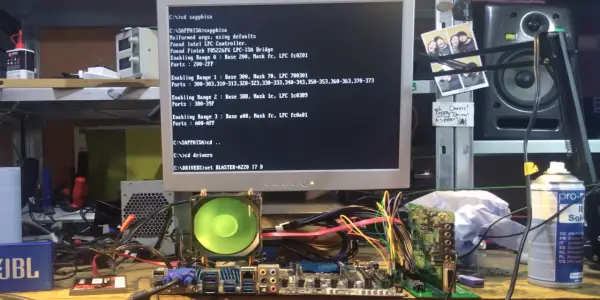
Integrating ISA Ports into Contemporary...

Exploring Time Travel and Quantum Concepts with...

U.S. Start-Up Develops Innovative Lithography...

Gamers Criticize NBA 2K for Fashion Updates Amid...

Google Launches Early Access for Gemini Voice...


Lily Allen Opens Up About Her Heartfelt Album...

Top Controllers for Call of Duty: Black Ops 7 —...

AI-Enhanced Teddy Bear Returns to Market After...

Apple TV Set to Launch Ambitious Sci-Fi Series...

The Erosion of Democratic Discourse in America

Controversy Erupts Over BU Student's ICE Reports...

Exploring the Rise of Windows 11 Debloating Tools...

NotebookLM's Innovative Features Transform...

Reflecting on 'Toy Story': A Milestone in...

Python Bytes: #459 Updates on Dependency...

JD Vance Links UFOs to Demonic Entities in...

Critical Vulnerability Exposed in OpenClaw:...

Understanding AI's Role in Education: Insights...

Musical Imperfections: Notable Mistakes by Iconic...