Exploring the Rise of Windows 11 Debloating Tools Amid User Discontent
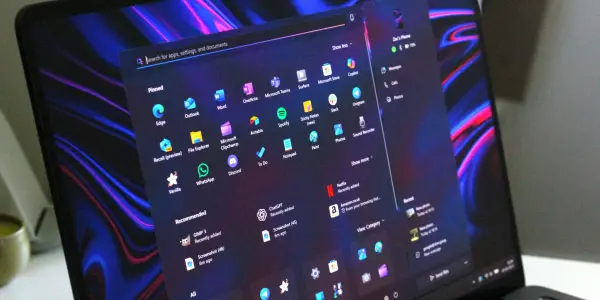
Windows 11 users are turning to custom debloater tools as Microsoft faces criticism for ignoring their concerns over system bloat.
In-depth analysis
Top trending topics
The discussion surrounding Windows 11's performance has intensified, particularly regarding its stringent hardware requirements and user dissatisfaction with pre-installed applications. This has catalyzed a surge in interest for third-party tools and custom operating systems like Atlas OS, as users seek to optimize their experience and enhance system efficiency.
Audience engagement
User communities are actively participating in discussions about Windows 11's limitations, with many sharing experiences and solutions on platforms like Reddit. This engagement reflects a collective desire for a more tailored and efficient computing experience.
Industry impact
The rise of custom ISOs and third-party optimization tools is challenging Microsoft's traditional operating system model. As users increasingly gravitate towards alternatives that promise enhanced performance and privacy, Microsoft may need to adapt its strategies to retain its user base and address evolving demands.
Future trends
Looking ahead, the trend of customization in operating systems is likely to grow, driven by user preferences for performance and privacy. Microsoft’s response to user feedback, including potential AI integrations, will be crucial in shaping its competitive edge against emerging alternatives.
Did you know?
Why everyone is talking about this
Windows 11's sluggish adoption sparks debate over user autonomy and software design. Many users are frustrated not just with the bloat, but also with the rigid hardware requirements that limit accessibility. As a reaction, the rise of third-party tools reflects a growing desire for customization and control in an era where users want their systems tailored to their needs—not dictated by corporate policy.
What stays off-camera
A little-known aspect of Windows 11's telemetry features is that they can collect over 200 different data points from users, including app usage and system performance metrics. This extensive data gathering has led privacy advocates to question the balance between user experience enhancements and individual privacy.
A day behind the scenes
Behind the scenes of the Windows ecosystem, a surprising number of developers are creating custom ISOs to meet specific user needs. Take Alex Chen, a software engineer who spends weekends fine-tuning Atlas OS. He discovered that by stripping down unnecessary features, he could significantly improve performance for gamers like himself. His passion for optimizing systems stems from his early frustrations with lag during online matches. Every update he releases is a labor of love, aiming to empower users with the freedom to choose a leaner, more efficient Windows experience.
Expert Commentary

NotebookLM Set for Significant Enhancement with...

Exploring the Complexities of Childhood in...

AI-Enhanced Teddy Bear Returns to Market After...

Fox News' Misrepresentation of Portland Protests...

Security Risks in Microsoft Teams Highlighted by...
Judson Althoff to Lead Microsoft Ignite 2025...

Key Developments in Video Gaming to Anticipate in...

Exploring Time Travel and Quantum Concepts with...

Rachel Sennott Embraces Los Angeles in New HBO...

Understanding Tuples in Python: A Deeper Look at...

The Existential Threat of Artificial General...
Federal Jury Orders Apple to Compensate Masimo in...

Streaming Show Fans Express Discontent Over...

Can Malware Vaccines Mitigate the Surge of...

UN Highlights Climate-Induced Displacement as...

Insights from Students Shape the Future of Ada...

Sanders Backs Maine Senate Candidate Amid...

Samsung TVs to Integrate Google Photos, Enhancing...

The Cognitive Impact of AI: How Tools Like...

Gilmore Girls Stars Discuss Rory's Boyfriend...

Microsoft Faces Social Media Backlash Amid AI...

Norman Reedus Discusses Daryl Dixon's Connection...

Republicans Strategize for 2026 Midterms Without...

Dispatch Creative Director Critiques Generative...
Exploring the Complexities of Gender Differences...

Google Unveils Gemini 3: A Major Leap in AI...

Understanding Google's Influence on Headline...

Three Key Reasons Your Executive Isn’t Making an...

U.S. Start-Up Develops Innovative Lithography...

Top Controllers for Call of Duty: Black Ops 7 —...

Netflix Unveils Opening Scene of Stranger Things...

Study Warns Students: Relying on ChatGPT May...
The Future of Higher Education: Navigating Cost...

Python Bytes: #459 Updates on Dependency...

Decline in Popularity of Trump Halloween Costumes...

Google's John Mueller Questions the Need for...
Google Launches Early Access for Gemini Voice...

Decline in Sales of Trump-Related Books Signals...

New Study Reveals How Personalized Algorithms...
Instagram's Adam Mosseri Warns of Authenticity...