Dispatch Creative Director Critiques Generative AI's Role in Game Development
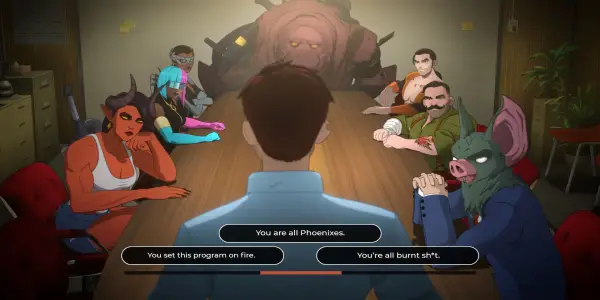
AdHoc Studio, the developer behind the popular game Dispatch, expresses skepticism about generative AI, suggesting it may only serve a creative function for those lacking creativity.
In-depth analysis
Top trending topics
The gaming industry is currently buzzing with discussions around the role of generative AI in creative processes. Key figures like Nick Herman from AdHoc Studio are voicing concerns about AI's limitations in fostering genuine creativity, contrasting with larger publishers who are more open to integrating AI tools into their workflows. This debate shapes industry dynamics.
Audience engagement
Fans are increasingly interested in the creative choices behind their favorite games, particularly as studios like AdHoc emphasize the importance of human talent. This focus on emotional connections enhances player engagement and fosters a deeper appreciation for storytelling in gaming.
Industry impact
AdHoc Studio's cautious approach to generative AI reflects a significant trend among independent developers prioritizing human creativity over technological shortcuts. This contrasts with larger companies that are more willing to adopt AI, potentially leading to a divide in creative quality and player experiences across the industry.
Future trends
As the gaming landscape evolves, the emphasis on authentic storytelling and character development is expected to intensify. Independent studios may increasingly champion human creativity, setting a benchmark for quality that larger publishers will need to consider in their AI integrations.
Did you know?
Why everyone is talking about this
Nick Herman's comments reflect a deeper anxiety in the gaming community about AI's encroachment on creativity. As studios grapple with the balance between efficiency and artistry, Herman’s emphasis on the irreplaceable human touch highlights a fundamental question: can AI truly inspire? His insights resonate with creators who fear losing the emotional depth that comes from human storytelling.
What stays off-camera
Despite the rise of AI in various industries, a recent survey found that about 70% of game developers believe that AI cannot replace the nuanced emotional connections that human creators forge with their audience. This sentiment is particularly strong among independent developers like those at AdHoc Studio.
A day behind the scenes
At AdHoc Studio, the atmosphere is charged with creativity. On any given day, voice actor Jeffrey might spend hours refining his character's emotional nuances, engaging in extensive discussions with the directors. This collaborative process often includes spontaneous improvisation, allowing Jeffrey’s unique interpretations to shape the game's narrative. The team believes these moments are what elevate the game beyond mere entertainment, creating lasting bonds with players. This dedication to authentic storytelling is evident in every scene, showcasing how human creativity continues to push the boundaries of gaming.
Expert Commentary

Trump's Controversial Remarks on Robert Mueller's...

Three Mobile Apps to Acquire Lucrative Skills in...

Rachel Sennott Embraces Los Angeles in New HBO...

New Teaser for 'Avengers: Doomsday' Hints at...

Norman Reedus Discusses Daryl Dixon's Connection...

Python Bytes: #459 Updates on Dependency...

Nvidia CEO Warns: Jobs at Risk from AI Users, Not...

The Enigmatic Ado: A Voice that Defies Visibility

Trump Challenges Validity of Biden's Turkey...

The Erosion of Democratic Discourse in America

Scott Patterson's Bold Stance on Rory's...

Jack Osbourne Faces Backlash for Emotional...

Megyn Kelly Sparks Outrage Over Comments on...

Judson Althoff to Lead Microsoft Ignite 2025...

NotebookLM Enhances Android Experience with...

Lily Allen Opens Up About Her Heartfelt Album...

Decline in Sales of Trump-Related Books Signals...

HBO's 'The Pitt' Sparks Increased Interest in...

Sisterly Conflict Erupts Over Wedding Plans as...

FIA Addresses Controversy Over Marshal...

Study Warns Students: Relying on ChatGPT May...

Critical Vulnerability Exposed in OpenClaw:...

Top Controllers for Call of Duty: Black Ops 7 —...

30 Days with a Google TV Projector: A Bedroom...

Maximize Your Use of NotebookLM with These Five...
OpenAI Engineer Shares Insights on Swift Hiring...

Decline in Popularity of Trump Halloween Costumes...

The Importance of Breathwork in Daily Life

Shifts in ICE Strategy Following Minneapolis...

Lack of Grand Jury Approval Raises Doubts in...

Google's John Mueller Questions the Need for...

Republicans Strategize for 2026 Midterms Without...

The Future of Higher Education: Navigating Cost...

Streaming Show Fans Express Discontent Over...

The Cognitive Impact of AI: How Tools Like...

Tech Leaders Embrace Controversial Views on Human...

Reddit CEO Steve Huffman Achieves Billionaire...

Asteroid 33 Polyhymnia May Contain Elements...

Exploring Bazzite: A New Contender in the PC...

UN Highlights Climate-Induced Displacement as...