Lack of Grand Jury Approval Raises Doubts in Comey Indictment Case

Concerns mount over the legitimacy of James Comey's indictment as revelations emerge that a grand jury never formally approved it, raising serious legal ques...
In-depth analysis
Top trending topics
The ongoing legal challenges surrounding former FBI Director James Comey have captured significant media attention. Key discussions focus on the integrity of the grand jury process, the implications of procedural errors, and the potential consequences for prosecutorial practices in politically sensitive cases. As new revelations emerge, public interest continues to mount.
Audience engagement
Public discourse has intensified around the legitimacy of the grand jury process, with many expressing concerns over transparency and accountability in high-profile legal cases. Social media platforms are buzzing with opinions and analyses.
Industry impact
The revelations regarding Comey's indictment could reshape the legal landscape for prosecutorial practices involving public figures. Legal experts are debating the ramifications for future cases, particularly concerning procedural integrity and the grand jury's role in safeguarding against unfounded charges.
Future trends
As scrutiny of legal processes increases, there may be a push for reforms aimed at enhancing transparency within the grand jury system. This could lead to new guidelines that prioritize procedural correctness in politically sensitive prosecutions.
Did you know?
Why everyone is talking about this
The unfolding drama surrounding James Comey taps into broader concerns about accountability and transparency in the justice system. The revelation of an improperly approved indictment raises alarms about the integrity of grand jury processes, particularly in cases involving powerful figures. As public trust in the legal system wavers, this case could serve as a pivotal moment, prompting calls for reform and greater scrutiny of prosecutorial practices.
What stays off-camera
Many may not realize that grand juries operate in secrecy, meaning the public often has no insight into their deliberations or decisions. This lack of transparency can lead to surprising outcomes, as seen in Comey's case, where a single foreman’s signature—without a full jury vote—can jeopardize the legitimacy of an indictment.
A day behind the scenes
In the days leading up to the court hearing, prosecutor Lindsay Halligan faced intense pressure from both the media and the public. While preparing her case, Halligan discovered that key evidence had been mishandled, prompting her to reconsider her strategy. Meanwhile, legal experts like Sarah Mitchell, a former prosecutor, noted that the integrity of grand jury proceedings is often taken for granted. Sarah, who has witnessed similar challenges in her career, expressed concern over how this case could reshape public perception of the justice system, emphasizing the need for rigorous adherence to legal protocols.
Expert Commentary
Nvidia CEO Warns: Jobs at Risk from AI Users, Not...

Understanding AI's Role in Education: Insights...
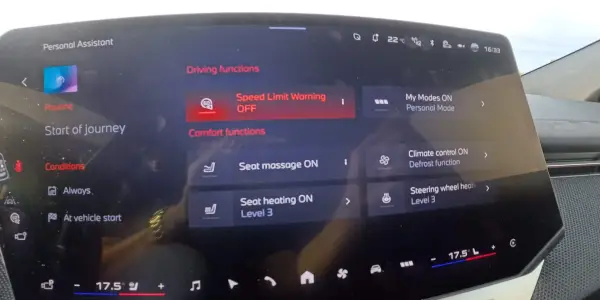
Understanding BMW iX3's Driving Mode Limitations:...

Gamers Criticize NBA 2K for Fashion Updates Amid...
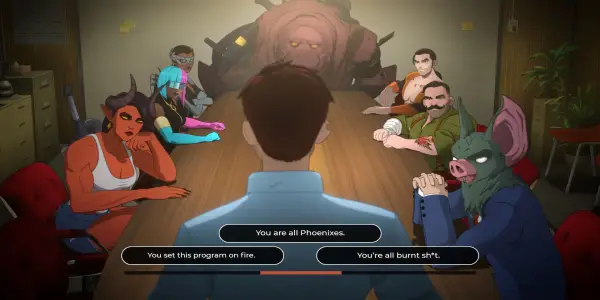
Dispatch Creative Director Critiques Generative...
Jon Stewart Committed to 'The Daily Show' Amid...
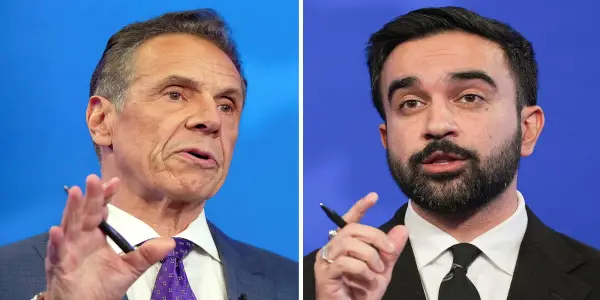
New York City Mayoral Election Draws National...

Norman Reedus Discusses Daryl Dixon's Connection...

Jack Osbourne Faces Backlash for Emotional...

Sanders Backs Maine Senate Candidate Amid...

Reflecting on 'Toy Story': A Milestone in...

Fox News' Misrepresentation of Portland Protests...
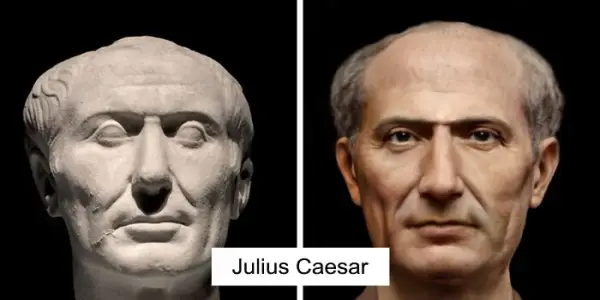
Digital Reconstruction Brings Ancient Faces to...

Rachel Sennott Embraces Los Angeles in New HBO...

Lina Khan Discusses Antitrust Issues on 'The Adam...
Exploring the Complexities of Gender Differences...

Judson Althoff to Lead Microsoft Ignite 2025...

Streamlining Research: A Five-Step Workflow with...
Security Risks in Microsoft Teams Highlighted by...

The Disruptive 'Mosquito Buzz' at Shibuya Station...

New Teaser for 'Avengers: Doomsday' Hints at...

FIA Addresses Controversy Over Marshal...
Google Unveils Gemini 3: A Major Leap in AI...
BBC Presenter Faces Discipline for On-Air...

Sisterly Conflict Erupts Over Wedding Plans as...

Netflix Unveils Opening Scene of Stranger Things...

Python Bytes: #459 Updates on Dependency...
The Cognitive Impact of AI: How Tools Like...
Google's NotebookLM Mobile Introduces Enhanced...

Samsung TVs to Integrate Google Photos, Enhancing...

New Research Offers Effective Method to Safeguard...

Tech News Roundup: Innovations from Samsung and...

Debunking the Myth: Do Metal Spoons Keep...

Unlocking Python Learning with NotebookLM: A...
JD Vance Links UFOs to Demonic Entities in...

Decline in Sales of Trump-Related Books Signals...
The Future of Higher Education: Navigating Cost...

Tech Leaders Embrace Controversial Views on Human...

Gilmore Girls Stars Discuss Rory's Boyfriend...

Three Key Reasons Your Executive Isn’t Making an...