Supreme Court Ethics Under Scrutiny Amid Climate Change Lawsuits

Concerns over judicial ethics are intensifying as oil companies face mounting lawsuits related to climate change deception, raising questions about potential conflicts of interest among justices.
In-depth analysis
Top trending topics
The legal battles surrounding climate change and corporate accountability are gaining momentum, particularly as oil companies face litigation for misleading the public. The Supreme Court's role in these cases, especially regarding judicial ethics and potential conflicts of interest, is drawing significant attention, highlighting the intersection of environmental issues and the judiciary's integrity.
Audience engagement
Public interest in the Supreme Court's handling of climate-related cases is surging, with many concerned about the implications of justices' potential conflicts of interest. Discussions around judicial ethics are becoming increasingly relevant as these cases unfold.
Industry impact
The ongoing litigation against oil companies could reshape the legal landscape regarding corporate accountability and environmental responsibility. The Supreme Court's rulings may set critical precedents that influence future climate litigation and corporate practices, particularly as public awareness about climate change grows.
Future trends
As climate litigation continues to escalate, the demand for a clear ethical framework for the Supreme Court may increase. This could lead to reforms aimed at improving judicial transparency and accountability, particularly in cases involving environmental issues.
Did you know?
Why everyone is talking about this
The debate over judicial ethics and corporate accountability in climate litigation has captured public attention, highlighting the potential for conflicts of interest within the Supreme Court. As oil companies face mounting lawsuits over misinformation regarding fossil fuels, the scrutiny of justices' ties to the industry raises critical questions about impartiality. This intersection of law and environmental responsibility could reshape not only judicial practices but also corporate accountability in a rapidly changing climate landscape.
What stays off-camera
Justice Amy Coney Barrett’s familial connections to Shell Oil are not the only background ties influencing the Supreme Court. Justice Samuel Alito previously faced criticism for attending events funded by the Koch brothers, prominent figures in fossil fuel interests, raising further questions about the impartiality of justices involved in climate-related cases.
A day behind the scenes
On any given day at the Supreme Court, the justices engage in intense deliberations that shape pivotal legal outcomes. Behind closed doors, discussions can be influenced by personal connections and past experiences. For example, during a recent conference, concerns were raised about conflicts of interest affecting not just Barrett, but also Justice Clarence Thomas, whose wife has deep ties to conservative anti-regulatory movements. The dynamics of these relationships can sway decisions on whether to hear cases that could impact climate accountability, illustrating how personal histories intertwine with significant legal precedents.
Expert Commentary

Decline in Sales of Trump-Related Books Signals...

Germany Reviews Apple's Modifications to App...

Tech News Roundup: Innovations from Samsung and...

Megyn Kelly Sparks Outrage Over Comments on...
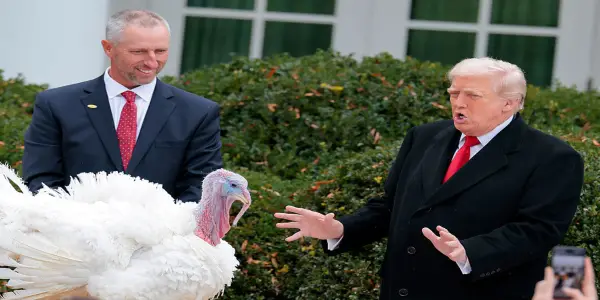
Trump Challenges Validity of Biden's Turkey...

Three Key Reasons Your Executive Isn’t Making an...

Musical Imperfections: Notable Mistakes by Iconic...

Understanding BMW iX3's Driving Mode Limitations:...

Federal Jury Orders Apple to Compensate Masimo in...

Digital Reconstruction Brings Ancient Faces to...

Debunking the Myth: Do Metal Spoons Keep...

Top Controllers for Call of Duty: Black Ops 7 —...

NotebookLM Set for Significant Enhancement with...

Gilmore Girls Stars Discuss Rory's Boyfriend...

The Debate Over Retrocomputing: Emulation vs....

The Existential Threat of Artificial General...

The Importance of Breathwork in Daily Life

Python Bytes: #459 Updates on Dependency...

FIA Addresses Controversy Over Marshal...

The Cognitive Impact of AI: How Tools Like...

Jack Osbourne Faces Backlash for Emotional...

Exploring the Complexities of Gender Differences...

Las Cruces Police Chief Calls for Public Support...


COP30 in Brazil: Addressing Global Climate Issues...

Lina Khan Discusses Antitrust Issues on 'The Adam...

Streaming Show Fans Express Discontent Over...

Microsoft Faces Social Media Backlash Amid AI...

Fox News' Misrepresentation of Portland Protests...

Shifts in ICE Strategy Following Minneapolis...
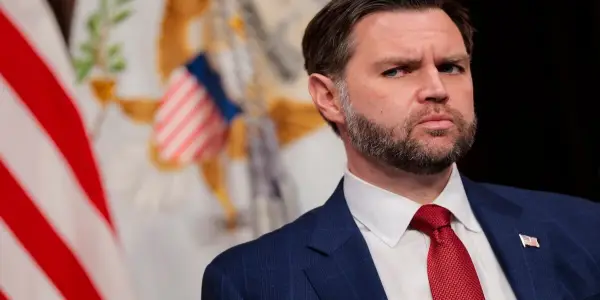
JD Vance Links UFOs to Demonic Entities in...

Three Mobile Apps to Acquire Lucrative Skills in...

Linus Torvalds Endorses 'Vibe Coding' for...

Nvidia CEO Warns: Jobs at Risk from AI Users, Not...

Key Developments in Video Gaming to Anticipate in...

NotebookLM's Innovative Features Transform...
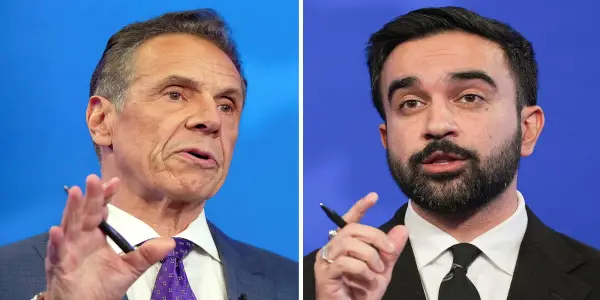
New York City Mayoral Election Draws National...

NotebookLM Enhances Android Experience with...

Judson Althoff to Lead Microsoft Ignite 2025...

UN Highlights Climate-Induced Displacement as...