COP30 in Brazil: Addressing Global Climate Issues and Amplifying Indigenous Voices

The recent United Nations Climate Change Conference (COP30) in Brazil showcased the urgent need for climate action and highlighted the role of Indigenous communities in environmental conservation.
In-depth analysis
Why this matters
Trending news captures current events and viral topics in real-time.
Real-world use case
Marketers and content creators can identify popular topics quickly.
Comparison
Monitoring multiple platforms is tedious; summaries highlight key trends.
Limits / risks
Trends change fast; summaries may become outdated quickly.
Did you know?
Why everyone is talking about this
COP30 has ignited conversations around the importance of Indigenous knowledge in climate action, especially in the context of the Amazon rainforest. As global temperatures rise, the unique perspectives of Indigenous communities are becoming essential in crafting effective solutions. This shift is not just about representation; it's about integrating traditional ecological wisdom into modern climate strategies, potentially reshaping how nations approach environmental policy.
What stays off-camera
While media coverage often highlights high-profile pledges and discussions, a significant yet overlooked aspect of COP30 is the presence of grassroots activists. Many participants traveled from remote areas, facing challenges to reach the conference and amplify their voices, showcasing the deep connections these communities have with their ecosystems.
A day behind the scenes
At COP30, the daily routine of Indigenous delegates like Maria da Silva, a leader from the Amazon, reveals the conference's intense emotional landscape. Early mornings begin with strategy sessions where community leaders share their hopes and fears about climate impacts on their lands. Throughout the day, they engage in negotiations, advocating fiercely for their rights and the preservation of their ecosystems. Even during breaks, discussions often revolve around the personal stories of how climate change affects their families and futures. The camaraderie among delegates fosters a sense of collective resilience, driving home the urgency of their cause amid global discussions.
Expert Commentary

Top Controllers for Call of Duty: Black Ops 7 —...

New Teaser for 'Avengers: Doomsday' Hints at...

Rachel Sennott Embraces Los Angeles in New HBO...

Sydney Sweeney's Sheer Dress Sparks Debate at...

Jon Stewart Committed to 'The Daily Show' Amid...
Trump Challenges Validity of Biden's Turkey...
The Cognitive Impact of AI: How Tools Like...

Python Bytes: #459 Updates on Dependency...

Microsoft Faces Social Media Backlash Amid AI...

The Future of Higher Education: Navigating Cost...

The Existential Threat of Artificial General...

Key Developments in Video Gaming to Anticipate in...

Federal Jury Orders Apple to Compensate Masimo in...
Trump's Controversial Remarks on Robert Mueller's...
Nvidia CEO Warns: Jobs at Risk from AI Users, Not...
The Disruptive 'Mosquito Buzz' at Shibuya Station...

Critical Vulnerability Exposed in OpenClaw:...

Judson Althoff to Lead Microsoft Ignite 2025...

Three Key Reasons Your Executive Isn’t Making an...

U.S. Start-Up Develops Innovative Lithography...
Fox News' Misrepresentation of Portland Protests...

Maximize Your Use of NotebookLM with These Five...
Reddit CEO Steve Huffman Achieves Billionaire...

Lily Allen Opens Up About Her Heartfelt Album...
Insights from Students Shape the Future of Ada...
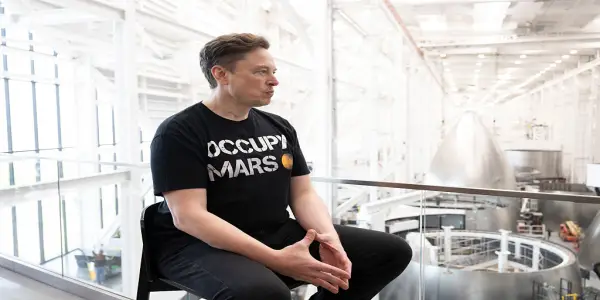
Tech Leaders Embrace Controversial Views on Human...

Understanding BMW iX3's Driving Mode Limitations:...

Google's John Mueller Questions the Need for...

Incorporating NotebookLM Revolutionizes Freelance...

30 Days with a Google TV Projector: A Bedroom...

Linus Torvalds Endorses 'Vibe Coding' for...

Integrating ISA Ports into Contemporary...
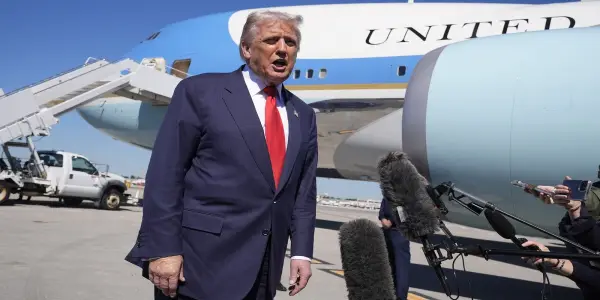
Republicans Strategize for 2026 Midterms Without...

Sisterly Conflict Erupts Over Wedding Plans as...

Lina Khan Discusses Antitrust Issues on 'The Adam...

Exploring Bazzite: A New Contender in the PC...


Instagram's Adam Mosseri Warns of Authenticity...
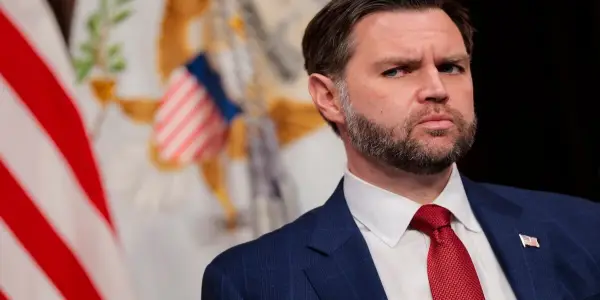
JD Vance Links UFOs to Demonic Entities in...
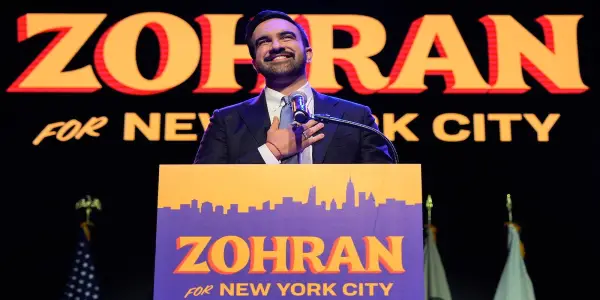
New York City Mayor-elect Zohran Mamdani Takes...