Exploring the Unique Legacy of Soviet CD Technology
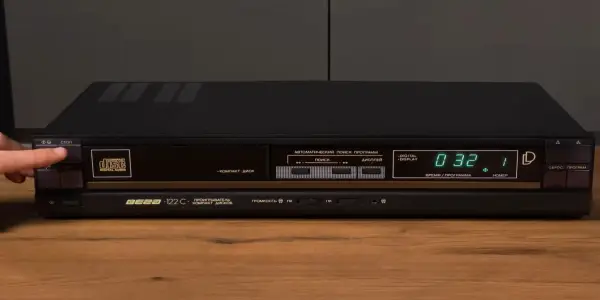
Uncover the intriguing history of Soviet CD players and their development amidst the technological gap with the West.
In-depth analysis
Top trending topics
The exploration of Soviet consumer electronics, particularly CD technology, has gained traction as enthusiasts delve into the contrasts with Western innovations. The narrative surrounding the Luch digital audio player and the Vega PKD highlights the technological ambitions and limitations of the USSR, drawing interest from both historians and tech aficionados alike.
Audience engagement
Viewers are actively participating in discussions around the YouTube analysis, sharing personal anecdotes and insights about their experiences with Soviet technology. This engagement reflects a growing curiosity about the historical context of these devices.
Industry impact
The examination of Soviet CD technology reveals significant historical lessons for today's tech industry, particularly regarding the influence of political and economic factors on innovation. This understanding can inform current practices and strategies in global tech development.
Future trends
As interest in retro technology grows, there may be a resurgence in the production and appreciation of vintage electronics. This trend could lead to renewed collaborations between collectors and manufacturers, fostering a niche market for refurbished and historically significant devices.
Did you know?
Why everyone is talking about this
The narrative of Soviet consumer electronics, especially in the realm of CD technology, has opened a new dialogue about innovation under constraint. As enthusiasts revisit this era through platforms like YouTube, many are struck by the resilience of Soviet engineers who, despite bureaucratic hurdles and resource scarcity, attempted to create competitive technology. This exploration highlights a forgotten chapter in tech history that challenges perceptions of Eastern versus Western advancements.
What stays off-camera
A lesser-known fact is that the Luch digital audio player, despite its innovative design, was only ever produced as prototypes. These models were crafted with glass components, which was an ambitious choice but ultimately impractical for mass production, showcasing the creative yet constrained ingenuity of Soviet engineers.
A day behind the scenes
At the Vega PKD factory in 1993, the atmosphere was a mix of hope and uncertainty. Workers relied on outdated machinery from West Germany to assemble CD players, which often resulted in delays and frustrations. One assembly technician, Ivan Petrov, reminisces about the day's challenges; they often had to improvise repairs and adaptations, particularly with electrostatic discharge risks that plagued their products. Despite these hurdles, Ivan and his colleagues found pride in their work, knowing they were part of a pivotal moment in Soviet technology. Today, Ivan runs a small shop that sells refurbished CD players, connecting a new generation to the innovations of their past.
Expert Commentary

Lina Khan Discusses Antitrust Issues on 'The Adam...

New York City Mayoral Election Draws National...

Key Developments in Video Gaming to Anticipate in...

New Study Reveals How Personalized Algorithms...

Security Risks in Microsoft Teams Highlighted by...

AI-Enhanced Teddy Bear Returns to Market After...

Three Mobile Apps to Acquire Lucrative Skills in...

Decline in Sales of Trump-Related Books Signals...

BBC Presenter Faces Discipline for On-Air...
Exploring the Rise of Windows 11 Debloating Tools...

Maximize Your Use of NotebookLM with These Five...

Rachel Sennott Embraces Los Angeles in New HBO...

Gilmore Girls Stars Discuss Rory's Boyfriend...

UN Highlights Climate-Induced Displacement as...

Navigating Difficult Family Conversations:...

Exploring the Complexities of Childhood in...

Asteroid 33 Polyhymnia May Contain Elements...

Streaming Show Fans Express Discontent Over...
Exploring Bazzite: A New Contender in the PC...

Critical Vulnerability Exposed in OpenClaw:...

Fox News' Misrepresentation of Portland Protests...

Lack of Grand Jury Approval Raises Doubts in...
Integrating ISA Ports into Contemporary...

Linus Torvalds Endorses 'Vibe Coding' for...

Republicans Strategize for 2026 Midterms Without...

Unlocking Python Learning with NotebookLM: A...

Megyn Kelly Sparks Outrage Over Comments on...

Python Bytes: #459 Updates on Dependency...

Reddit CEO Steve Huffman Achieves Billionaire...

JD Vance Links UFOs to Demonic Entities in...

Las Cruces Police Chief Calls for Public Support...

Lily Allen Opens Up About Her Heartfelt Album...

Musical Imperfections: Notable Mistakes by Iconic...

Trump Challenges Validity of Biden's Turkey...

Understanding AI's Role in Education: Insights...

Jack Osbourne Faces Backlash for Emotional...

Nvidia CEO Warns: Jobs at Risk from AI Users, Not...

Top Controllers for Call of Duty: Black Ops 7 —...

NotebookLM's Innovative Features Transform...