The Importance of Matching Transistors in Circuit Design

Matching transistors is crucial in circuit configurations for optimal performance, impacting efficiency and device longevity in electronics.
In-depth analysis
Top trending topics
The electronics industry is currently buzzing about the importance of transistor matching in circuit design. As devices become more complex, ensuring that transistors operate in harmony is crucial for performance and reliability. This topic has gained traction among engineers and manufacturers, who are increasingly focused on optimizing integrated circuits through precise component selection.
Audience engagement
Professionals in electronics are actively discussing transistor matching techniques, sharing insights on best practices and innovations. Online forums and webinars are witnessing heightened participation as engineers seek to enhance their understanding of this critical aspect of circuit design.
Industry impact
The emphasis on transistor matching is reshaping design protocols within the electronics sector. Companies that prioritize this practice are seeing improved product performance and reliability, which can lead to a competitive edge in a market where efficiency is paramount. This trend is influencing both manufacturing processes and product development strategies.
Future trends
Looking ahead, advancements in fabrication technologies are expected to refine transistor matching techniques further. As the demand for high-performance electronics grows, the industry will likely see increased investment in research focused on enhancing matching methodologies to ensure optimal circuit functionality.
Did you know?
Why everyone is talking about this
The conversation surrounding transistor matching highlights a critical yet often overlooked aspect of electronics design. As devices become more complex and performance-driven, engineers are increasingly focused on ensuring that each component operates in harmony. This meticulous practice not only boosts efficiency but also extends the lifespan of circuits, which is essential as consumers demand more from their technology.
What stays off-camera
An intriguing fact is that the practice of matching transistors dates back to the late 1950s. Early engineers discovered that mismatched transistors could lead to significant performance issues, prompting a systematic approach to component selection that is still in use today.
A day behind the scenes
Consider the story of Emily Chen, a young engineer at a semiconductor company. On any given day, she meticulously tests batches of transistors, measuring their performance against strict criteria. What many don’t realize is that her team often spends hours calibrating equipment to ensure precision in matching. This attention to detail can mean the difference between a circuit that performs optimally and one that fails under pressure. The stakes are high; a single mismatch can lead to overheating, potentially ruining devices in critical applications like healthcare or aerospace.
Expert Commentary

Insights from Students Shape the Future of Ada...

New Study Reveals How Personalized Algorithms...

Sydney Sweeney's Sheer Dress Sparks Debate at...

Instagram's Adam Mosseri Warns of Authenticity...

NotebookLM Enhances Android Experience with...

Melting Ice Reveals Record-Breaking Discoveries,...

Musical Imperfections: Notable Mistakes by Iconic...
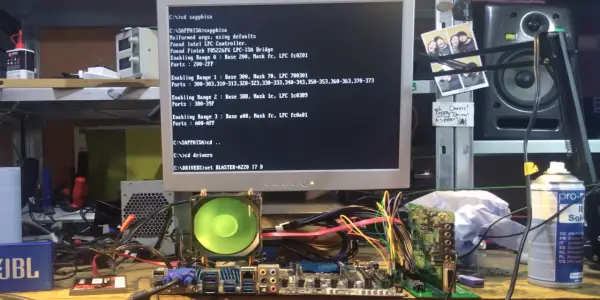
Integrating ISA Ports into Contemporary...
Google's NotebookLM Mobile Introduces Enhanced...

Reddit CEO Steve Huffman Achieves Billionaire...

30 Days with a Google TV Projector: A Bedroom...

NotebookLM's Innovative Features Transform...

BBC Presenter Faces Discipline for On-Air...

Trump's Controversial Remarks on Robert Mueller's...

Exploring the Complexities of Childhood in...

Debunking the Myth: Do Metal Spoons Keep...

The Erosion of Democratic Discourse in America

Google Unveils Gemini 3: A Major Leap in AI...

Streaming Show Fans Express Discontent Over...

Trump Challenges Validity of Biden's Turkey...

U.S. Start-Up Develops Innovative Lithography...

Decline in Popularity of Trump Halloween Costumes...

Jon Stewart Committed to 'The Daily Show' Amid...

Judson Althoff to Lead Microsoft Ignite 2025...

New York City Mayoral Election Draws National...

NotebookLM Set for Significant Enhancement with...

Unlocking Python Learning with NotebookLM: A...

Reflecting on 'Toy Story': A Milestone in...
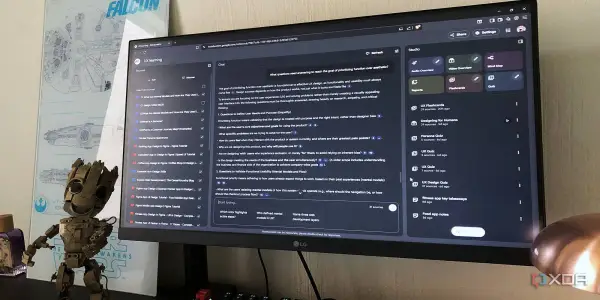
Integrating Obsidian, Zotero, and NotebookLM: A...

Rachel Sennott Embraces Los Angeles in New HBO...

The Disruptive 'Mosquito Buzz' at Shibuya Station...

New York City Mayor-elect Zohran Mamdani Takes...
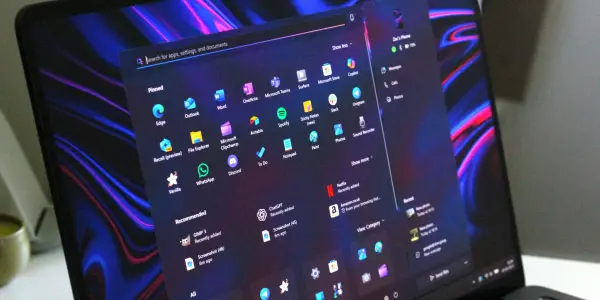
Exploring the Rise of Windows 11 Debloating Tools...

Scott Patterson's Bold Stance on Rory's...

Exploring Time Travel and Quantum Concepts with...

The Future of Higher Education: Navigating Cost...

Sisterly Conflict Erupts Over Wedding Plans as...

Linus Torvalds Endorses 'Vibe Coding' for...

Incorporating NotebookLM Revolutionizes Freelance...

Study Warns Students: Relying on ChatGPT May...