BBC Presenter Faces Discipline for On-Air Comments Regarding Transgender Terminology
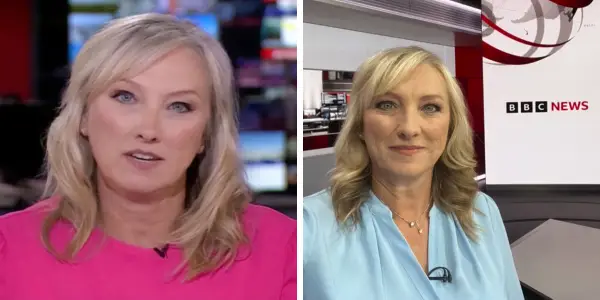
Martine Croxall's recent remarks during a live broadcast have sparked controversy and disciplinary action from the BBC for breaching the network's impartiality standards.
In-depth analysis
Top trending topics
The recent disciplinary action against BBC presenter Martine Croxall has ignited discussions surrounding media impartiality and the representation of gender identity in journalism. This incident has resonated widely, reflecting ongoing societal debates about language, bias, and the responsibilities of news organizations in addressing sensitive topics, particularly those related to transgender rights.
Audience engagement
Social media has become a battleground for opinions on Croxall's actions, with users divided between support and condemnation. This polarization has intensified discussions about the role of journalists in shaping narratives around gender and identity.
Industry impact
Croxall's case underscores the growing scrutiny media organizations face regarding impartiality in reporting on gender issues. The BBC's commitment to neutrality is being tested, prompting a reevaluation of how journalists navigate complex social topics without alienating audiences or risking backlash.
Future trends
As media outlets grapple with the implications of this incident, a trend towards clearer guidelines on language and representation in journalism is expected. The need for balanced reporting will likely shape editorial policies in an increasingly polarized environment.
Did you know?
Why everyone is talking about this
Martine Croxall's on-air wording choice has ignited a fierce debate about the role of language in media, especially regarding sensitive topics like gender identity. This incident illustrates the precarious balance journalists must maintain between personal beliefs and professional impartiality. As audiences demand more accountability, the boundaries of acceptable commentary continue to shift, making Croxall's case a focal point in the ongoing conversation about media ethics and responsibility.
What stays off-camera
While the focus has been on Croxall’s choice of words, it's noteworthy that the BBC's impartiality guidelines have been under intense scrutiny for years. The network has faced over 1,000 complaints related to gender identity discussions in recent months alone, reflecting society's growing divisions and the pressures media outlets face in addressing contentious issues.
A day behind the scenes
On the day of the controversial broadcast, Croxall prepared not just with scripts but also engaged in discussions about the potential audience reactions to the segment. Her team was aware of the sensitive nature of the topic, having recently conducted a viewer feedback session that highlighted the polarized views on gender identity. Unbeknownst to viewers, Croxall's decision to emphasize 'women' was a calculated risk, born from her belief in advocating for women's health. This internal debate within the BBC newsroom reflects the ongoing struggle to balance journalistic integrity with the evolving language of social issues, ultimately leading to the fallout that followed her broadcast.
Expert Commentary

Lily Allen Opens Up About Her Heartfelt Album...

30 Days with a Google TV Projector: A Bedroom...
Reddit CEO Steve Huffman Achieves Billionaire...

The Disruptive 'Mosquito Buzz' at Shibuya Station...
JD Vance Links UFOs to Demonic Entities in...

Rachel Sennott Embraces Los Angeles in New HBO...

Three Mobile Apps to Acquire Lucrative Skills in...

Unlocking Python Learning with NotebookLM: A...

Google's John Mueller Questions the Need for...
New York City Mayor-elect Zohran Mamdani Takes...

Understanding AI's Role in Education: Insights...

The Existential Threat of Artificial General...

NotebookLM Enhances Android Experience with...

Melting Ice Reveals Record-Breaking Discoveries,...

Exploring the Rise of Windows 11 Debloating Tools...

Security Risks in Microsoft Teams Highlighted by...

The Future of Higher Education: Navigating Cost...



Tech Leaders Embrace Controversial Views on Human...

Decline in Popularity of Trump Halloween Costumes...

Dispatch Creative Director Critiques Generative...

Three Key Reasons Your Executive Isn’t Making an...

NotebookLM Set for Significant Enhancement with...

Jack Osbourne Faces Backlash for Emotional...
New Study Reveals How Personalized Algorithms...
Navigating Difficult Family Conversations:...

Critical Vulnerability Exposed in OpenClaw:...

Instagram's Adam Mosseri Warns of Authenticity...

Google Launches Early Access for Gemini Voice...
Scott Patterson's Bold Stance on Rory's...

New Research Offers Effective Method to Safeguard...
The Enigmatic Ado: A Voice that Defies Visibility

HBO's 'The Pitt' Sparks Increased Interest in...

Sydney Sweeney's Sheer Dress Sparks Debate at...

Las Cruces Police Chief Calls for Public Support...

The Erosion of Democratic Discourse in America

Debunking the Myth: Do Metal Spoons Keep...

Decline in Sales of Trump-Related Books Signals...

Google Unveils Gemini 3: A Major Leap in AI...