Rethinking the WEIRD Label in Psychological Research

Explore the growing discourse on the WEIRD label in psychology and its impact on research bias, as experts call for a more diverse understanding of human beh...
In-depth analysis
Top trending topics
The discourse surrounding the WEIRD acronym is gaining traction, as scholars examine its implications for psychological research. The focus is shifting towards inclusivity, challenging traditional methodologies that favor Western samples. This trend highlights the need for a diverse representation in studies, prompting a reevaluation of how cultural contexts influence psychological understanding.
Audience engagement
Engagement from both academics and students is rising as discussions about cultural bias in psychology proliferate. Social media platforms and academic forums are buzzing with insights, questions, and critiques, fostering a vibrant exchange of ideas on the importance of diverse perspectives in psychological research.
Industry impact
The psychological research industry is undergoing significant transformation as major journals adopt more inclusive policies. This shift encourages researchers to broaden their sample populations, enhancing the validity of findings and promoting a more representative understanding of human behavior across different cultures.
Future trends
The future of psychological research is likely to prioritize diversity and cultural awareness, moving away from the WEIRD framework. As educational programs evolve, a new generation of psychologists may emerge, equipped with the tools to address and overcome cultural biases in their work.
Did you know?
Why everyone is talking about this
The discussion surrounding the WEIRD acronym has sparked a critical examination of psychological research methodologies. As scholars increasingly recognize the limitations of Western-centric studies, a newfound emphasis on cultural diversity is emerging. This shift not only challenges existing psychological theories but also opens doors for more inclusive understandings of human behavior, paving the way for richer, globally relevant insights.
What stays off-camera
Despite its prominence, the WEIRD acronym was not explicitly coined until 2010. Prior to this, researchers had been grappling with the biases in psychological research for decades, but the term provided a succinct way to identify and discuss the issue. This late formal recognition highlights how deeply ingrained these biases have been in academic discourse.
A day behind the scenes
In a recent seminar, Dr. Maria Torres, a cultural psychologist, shared her journey of shifting focus from Western-centric studies to exploring indigenous behavioral patterns in South America. She highlighted the challenges of securing funding for research in less-studied populations, revealing that only 5% of psychological research funding goes to projects outside the WEIRD framework. This stark statistic underscores the systemic barriers researchers face when attempting to diversify the field and the emotional drive behind her commitment to elevating diverse voices and perspectives in psychology.
Expert Commentary

Incorporating NotebookLM Revolutionizes Freelance...

Critical Vulnerability Exposed in OpenClaw:...

Three Mobile Apps to Acquire Lucrative Skills in...

Exploring Time Travel and Quantum Concepts with...

COP30 in Brazil: Addressing Global Climate Issues...

New York City Mayoral Election Draws National...
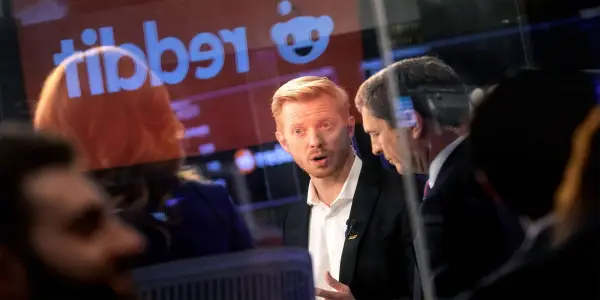
Reddit CEO Steve Huffman Achieves Billionaire...

JD Vance Links UFOs to Demonic Entities in...

Exploring the Rise of Windows 11 Debloating Tools...

Gamers Criticize NBA 2K for Fashion Updates Amid...

Key Developments in Video Gaming to Anticipate in...

Dispatch Creative Director Critiques Generative...

Republicans Strategize for 2026 Midterms Without...
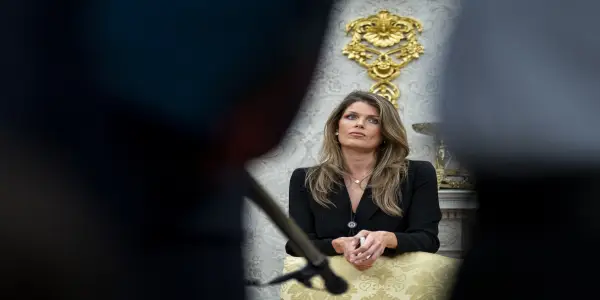
Lack of Grand Jury Approval Raises Doubts in...

Tech News Roundup: Innovations from Samsung and...

Norman Reedus Discusses Daryl Dixon's Connection...

Exploring Bazzite: A New Contender in the PC...

AI-Enhanced Teddy Bear Returns to Market After...

New Research Offers Effective Method to Safeguard...


Jon Stewart Committed to 'The Daily Show' Amid...

Syria Initiates Extensive Operation to Eliminate...

Integrating ISA Ports into Contemporary...

Google's John Mueller Questions the Need for...

The Existential Threat of Artificial General...
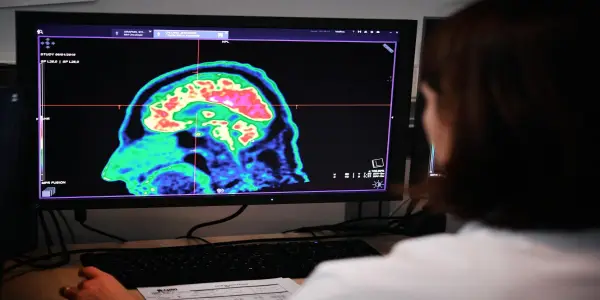
Exploring the Complexities of Gender Differences...

Scott Patterson's Bold Stance on Rory's...

FIA Addresses Controversy Over Marshal...

The Erosion of Democratic Discourse in America

Germany Reviews Apple's Modifications to App...

Decline in Popularity of Trump Halloween Costumes...
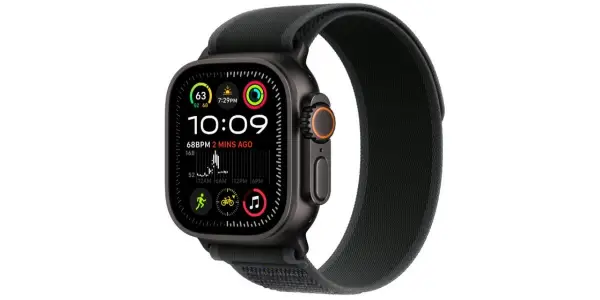
Federal Jury Orders Apple to Compensate Masimo in...

Unlocking Python Learning with NotebookLM: A...

Jack Osbourne Faces Backlash for Emotional...

Understanding AI's Role in Education: Insights...

Python Bytes: #459 Updates on Dependency...

Linus Torvalds Endorses 'Vibe Coding' for...

The Future of Higher Education: Navigating Cost...
The Cognitive Impact of AI: How Tools Like...

HBO's 'The Pitt' Sparks Increased Interest in...