Implications of the US-China Trade Agreement on Rare Earths, Agriculture, and TikTok
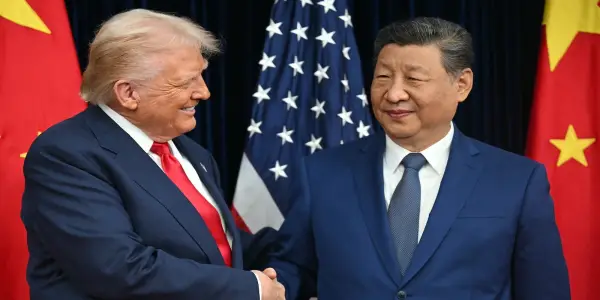
A recent trade agreement between the United States and China signals a potential easing of tensions that have characterized their economic relationship in recent months.
In-depth analysis
Top trending topics
The recent trade agreement between the U.S. and China has become a focal point in international economic discussions. Key topics include the implications for rare earth minerals, agricultural exports like soybeans, and the future of TikTok, reflecting broader concerns about supply chains, market access, and regulatory compliance in a rapidly evolving geopolitical landscape.
Audience engagement
Public interest in the trade agreement is palpable, with discussions on social media platforms highlighting its potential impact on everyday consumers and businesses. The stakes are high, as the outcomes could influence prices and availability of technology products and agricultural goods.
Industry impact
The trade deal is poised to reshape various industries, particularly technology and agriculture. By addressing access to rare earth minerals and reinstating soybean imports, the agreement aims to stabilize sectors that have suffered under prolonged trade tensions, fostering a more predictable market environment.
Future trends
Looking ahead, the sustainability of this agreement will be closely monitored, particularly regarding the development of a domestic supply chain for rare earths. Additionally, the resolution of TikTok's ownership could set precedents for future tech regulations and international negotiations.
Did you know?
Why everyone is talking about this
This trade agreement isn't just a win for agricultural exports; it also signals a potential shift in the tech landscape. The focus on rare earth minerals highlights the intertwined fate of technology and international relations. As the U.S. seeks to reduce dependence on China, this deal could reshape supply chains and influence future technological innovations, drawing attention from both investors and policymakers.
What stays off-camera
Behind the headlines, a lesser-known aspect of the trade negotiations involved extensive backchannel discussions. These informal talks, often held in private settings, allowed both sides to address sensitive issues without the pressure of public scrutiny, revealing the complex layers behind the agreement.
A day behind the scenes
On the day of the trade announcement, negotiators from both nations worked tirelessly to finalize the details. Amidst the high-stakes environment, a lesser-known player, Sarah Chen, a junior analyst, spent hours compiling data on rare earth mineral supply chains. Her findings played a crucial role in shaping the final terms, emphasizing how even the most junior team members can impact significant international agreements. While media focused on the leaders, it was the behind-the-scenes contributions from people like Chen that ensured both sides reached a consensus.
Expert Commentary

FIA Addresses Controversy Over Marshal...

Integrating Obsidian, Zotero, and NotebookLM: A...

NotebookLM's Innovative Features Transform...
Security Risks in Microsoft Teams Highlighted by...

Critical Vulnerability Exposed in OpenClaw:...

Streamlining Research: A Five-Step Workflow with...

Netflix Unveils Opening Scene of Stranger Things...

The Disruptive 'Mosquito Buzz' at Shibuya Station...

Three Mobile Apps to Acquire Lucrative Skills in...
New York City Mayoral Election Draws National...

30 Days with a Google TV Projector: A Bedroom...


Judson Althoff to Lead Microsoft Ignite 2025...

New Research Offers Effective Method to Safeguard...

Sisterly Conflict Erupts Over Wedding Plans as...
Tech Leaders Embrace Controversial Views on Human...

Dispatch Creative Director Critiques Generative...

Tim Cook Engages with President Trump and Tech...
Insights from Students Shape the Future of Ada...

Tech News Roundup: Innovations from Samsung and...
The Enigmatic Ado: A Voice that Defies Visibility
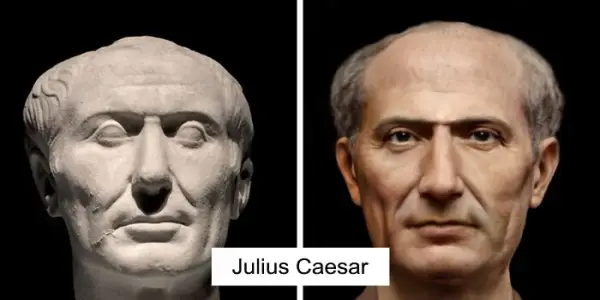
Digital Reconstruction Brings Ancient Faces to...

U.S. Start-Up Develops Innovative Lithography...

AI-Enhanced Teddy Bear Returns to Market After...
Nvidia CEO Warns: Jobs at Risk from AI Users, Not...
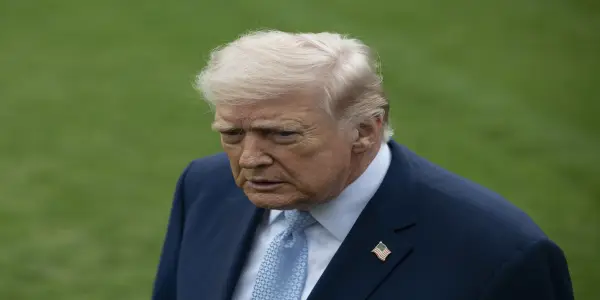
Trump's Controversial Remarks on Robert Mueller's...
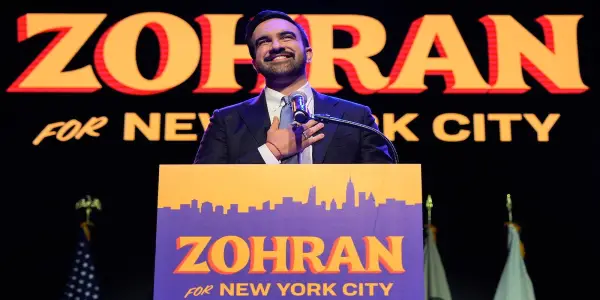
New York City Mayor-elect Zohran Mamdani Takes...

UN Highlights Climate-Induced Displacement as...

Python Bytes: #459 Updates on Dependency...

Exploring the Complexities of Childhood in...

The Importance of Breathwork in Daily Life

Gilmore Girls Stars Discuss Rory's Boyfriend...

HBO's 'The Pitt' Sparks Increased Interest in...

The Erosion of Democratic Discourse in America

Google's John Mueller Questions the Need for...
Google's NotebookLM Mobile Introduces Enhanced...

Understanding BMW iX3's Driving Mode Limitations:...

Germany Reviews Apple's Modifications to App...

Exploring the Rise of Windows 11 Debloating Tools...
Exploring Bazzite: A New Contender in the PC...