Exploring the Future of Consciousness Transfer in 'Alien: Earth'
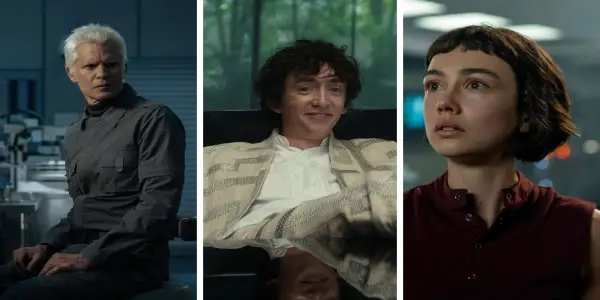
The series 'Alien: Earth' presents a provocative vision of a future where human consciousness can be digitized. We consulted experts to evaluate the feasibility of this concept.
In-depth analysis
Top trending topics
'Alien: Earth' has sparked widespread interest, particularly around its exploration of consciousness transfer and ethical dilemmas tied to advanced AI technologies. The film's narrative, set in a corporate-dominated future, resonates with ongoing debates about humanity's relationship with technology, pushing boundaries in both science fiction and real-world ethical discussions.
Audience engagement
Viewers are actively discussing the implications of consciousness transfer as depicted in 'Alien: Earth.' Online forums and social media platforms are buzzing with opinions on the ethical considerations of such technology, reflecting a growing public interest in the intersection of science fiction and real-world scientific advancements.
Industry impact
The film's premise is influencing both the entertainment and tech industries by igniting conversations about the future of AI and consciousness. As filmmakers explore these themes, tech companies may feel pressured to address the ethical ramifications of their innovations, ensuring that advancements do not exacerbate social inequalities.
Future trends
As discussions around consciousness transfer evolve, the industry may see a rise in narratives that challenge ethical boundaries. Future films could increasingly focus on the societal implications of technological advancements, reflecting public concerns about identity, accessibility, and the moral responsibilities of creators.
Did you know?
Why everyone is talking about this
The buzz around 'Alien: Earth' stems from its provocative exploration of consciousness transfer, a concept that blurs the lines between science fiction and emerging technology. With a plot that examines the ethical dilemmas of synthetic bodies for terminally ill children, the film resonates deeply with ongoing debates in neuroscience and AI, prompting viewers to reflect on what it truly means to be human.
What stays off-camera
One surprising fact is that the concept of consciousness transfer is not purely speculative. In 2017, researchers at the University of California, San Diego, successfully mapped the brain activity of rats as they navigated a maze, paving the way for future studies that could one day contribute to understanding consciousness in more complex organisms.
A day behind the scenes
On set, director Noah Hawley embraces collaboration, often inviting experts to consult on the film's scientific themes. For instance, Dr. H from Harvard visited during filming to discuss the neuroscience behind consciousness, inspiring a scene where characters grapple with their identities. Crew members noted that these discussions not only shaped the script but also sparked intense debates among the cast, fostering a deeper emotional connection to their roles and the film's central questions about life and technology.
Expert Commentary

Understanding Google's Influence on Headline...

Exploring Historical Context in Pokémon Legends:...

Sydney Sweeney's Sheer Dress Sparks Debate at...
Instagram's Adam Mosseri Warns of Authenticity...

Trump Challenges Validity of Biden's Turkey...

Trump's Controversial Remarks on Robert Mueller's...

UK Prime Minister Starmer Urged to Clarify...

Decline in Popularity of Trump Halloween Costumes...
The Enigmatic Ado: A Voice that Defies Visibility

Decline in Sales of Trump-Related Books Signals...

Jack Osbourne Faces Backlash for Emotional...

Norman Reedus Discusses Daryl Dixon's Connection...

Trump's Embrace of Project 2025 Presents...

The Anticipation Surrounding Apple's HomePod...

Apple AirPods Pro 3 Review: Impressive but Not a...

Three Mobile Apps to Acquire Lucrative Skills in...
Understanding AI's Role in Education: Insights...
2025 Nobel Prize in Physics Celebrates Advances...

Donald Trump's Evolving Stance on Jeffrey Epstein...

Apple TV Set to Launch Ambitious Sci-Fi Series...

FIA Addresses Controversy Over Marshal...

NotebookLM Set for Significant Enhancement with...

NotebookLM Enhances Android Experience with...

Netflix Unveils Opening Scene of Stranger Things...

Prioritizing Cleanliness in Sabah's Tourism...

The Existential Threat of Artificial General...

Lack of Grand Jury Approval Raises Doubts in...

UN Highlights Climate-Induced Displacement as...

Controversy Erupts Over BU Student's ICE Reports...

Katy Perry Opens Up About Her Relationship with...

Meta Launches Over 100 Topic-Based Communities on...

From Taliban Fighter to Advocate: Maiwand...

AI-Enhanced Teddy Bear Returns to Market After...
Gamers Criticize NBA 2K for Fashion Updates Amid...

Asteroid 33 Polyhymnia May Contain Elements...

Incorporating NotebookLM Revolutionizes Freelance...

Google's John Mueller Questions the Need for...

Dispatch Creative Director Critiques Generative...

BBC Presenter Faces Discipline for On-Air...

Python Bytes: #459 Updates on Dependency...