Concerns Emerge Over U.S. Informants Amid El Salvador Agreement
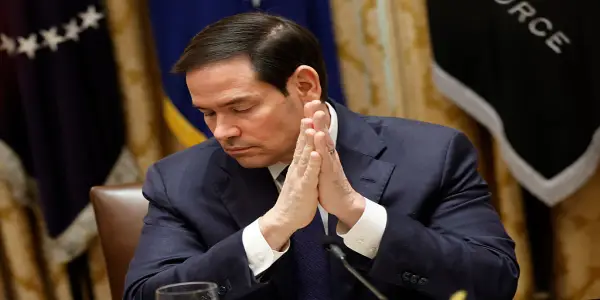
The U.S. government faces scrutiny over the safety of informants following a controversial agreement with El Salvador, raising questions about law enforcement ethics and credibility.
In-depth analysis
Top trending topics
The recent U.S.-El Salvador agreement, which facilitates the deportation of Venezuelan migrants, has ignited discussions about the safety of U.S. informants. Critics are questioning the ethical implications of sharing sensitive information with Salvadoran authorities, especially in light of the involvement of deported gang leaders and the historical context of U.S.-Central American relations.
Audience engagement
Public reaction has been polarized, with many expressing concern over the treatment of informants and the potential risks associated with the agreement. Social media discussions are amplifying calls for accountability and transparency in U.S. foreign policy.
Industry impact
The agreement is poised to reshape U.S. law enforcement strategies in Central America, raising questions about the viability of informant networks. Analysts warn that the potential endangerment of informants could deter future cooperation, undermining ongoing efforts to combat organized crime and gang violence.
Future trends
As scrutiny of U.S.-El Salvador relations intensifies, future agreements may prioritize human rights considerations alongside national security. The evolving landscape of international partnerships will likely influence how law enforcement agencies approach informant safety in volatile regions.
Did you know?
Why everyone is talking about this
The recent U.S.-El Salvador agreement has ignited a fierce debate about the ethics of foreign policy and law enforcement practices. Critics argue that the deal places U.S. informants in perilous situations, potentially deterring future collaboration. This controversy touches on broader themes of responsibility and safety in geopolitics, forcing a reevaluation of how national security interests can conflict with humanitarian obligations.
What stays off-camera
A lesser-known aspect of the U.S.-El Salvador relationship is the historical context of gang violence, particularly the rise of MS-13. This gang was formed in Los Angeles in the 1980s by Salvadoran immigrants, only to later spread back to El Salvador, complicating the dynamics of the current agreement and showcasing the cyclical nature of violence and migration.
A day behind the scenes
In the shadow of this agreement, many U.S. informants face harrowing decisions. Take Ana Garcia, a local activist in El Salvador who has provided crucial information to U.S. agencies about gang activities. A single day for her involves constant vigilance—she must navigate the streets while avoiding detection by gang members who could retaliate against her for cooperating with the authorities. Despite her bravery, the new agreement leaves her feeling exposed, as trust in U.S. protection wanes. The emotional toll weighs heavily on Ana, who wonders if her efforts to help could ultimately lead to her downfall.
Expert Commentary

Apple Watch and Mac Mini Remove 'Carbon Neutral'...

Exploring Key Features of Meta's Ray-Ban and...

Verizon Faces Widespread Outage Affecting Phones...

Understanding Google's Influence on Headline...

Exploring the Crypt of Civilization: A Time...

Incorporating NotebookLM Revolutionizes Freelance...

Google's NotebookLM Mobile Introduces Enhanced...
Jack Osbourne Faces Backlash for Emotional...

NotebookLM Enhances Android Experience with...

FIA Addresses Controversy Over Marshal...

Google Unveils Gemini 3: A Major Leap in AI...

Exploring the Significance and Impact of Prayer...

Repeated Legal Setbacks for Jeanine Pirro in Case...
Donald Trump's Evolving Stance on Jeffrey Epstein...

Bill Burr's Controversial Appearance on Conan...
Nvidia CEO Warns: Jobs at Risk from AI Users, Not...

Sydney Sweeney's Sheer Dress Sparks Debate at...
Trump Challenges Validity of Biden's Turkey...

Decline in Popularity of Trump Halloween Costumes...

Catherine Corcoran Files Lawsuit Against...

Walmart Offers $400 Discount on Galaxy S24 Ultra...

Three Mobile Apps to Acquire Lucrative Skills in...
Trump's Controversial Remarks on Robert Mueller's...

Key Developments in Video Gaming to Anticipate in...
Progressive Voices Gain Traction on Cable News...

AI's Impact on Search: Strategic Adaptations for...

30 Days with a Google TV Projector: A Bedroom...

Top Controllers for Call of Duty: Black Ops 7 —...

Linus Torvalds Endorses 'Vibe Coding' for...

Netflix Unveils Opening Scene of Stranger Things...

NotebookLM Set for Significant Enhancement with...

HBO's 'The Pitt' Sparks Increased Interest in...
Bodycam Footage Challenges CBP's Account of...

Sisterly Conflict Erupts Over Wedding Plans as...

Germany Reviews Apple's Modifications to App...

Melting Ice Reveals Record-Breaking Discoveries,...

New Study Reveals How Personalized Algorithms...

Controversy Erupts Over BU Student's ICE Reports...

Rivian CEO Defends Decision Against Apple CarPlay...

Apple AirPods Pro 3 Review: Impressive but Not a...