Google Photos Enhances Editing Features with Voice Commands for Android Users

Google Photos introduces voice command editing for Android users, simplifying photo enhancements with conversational language for a more accessible editing e...
In-depth analysis
Top trending topics
Google's latest feature in Google Photos, which allows voice command photo editing, is gaining traction. This innovation highlights the increasing integration of natural language processing in technology, making photo editing more accessible. Users can now express their desired modifications in conversational language, reflecting a significant shift towards intuitive, AI-driven tools in digital creativity.
Audience engagement
The introduction of voice command editing in Google Photos is expected to significantly enhance user interaction. By simplifying the editing process, Google aims to attract a wider audience, including those previously deterred by technical jargon.
Industry impact
Google's voice command feature may redefine user expectations in the photo editing sector. As competitors like Adobe and Snapseed adapt their offerings, this innovation signals a broader industry trend towards creating more user-friendly digital tools that prioritize accessibility and creativity.
Future trends
The rollout of voice command editing could pave the way for further advancements in user interface design across digital platforms. Expect a continued shift towards AI-driven solutions that prioritize conversational interactions, enhancing the creative process for everyday users.
Did you know?
Why everyone is talking about this
The introduction of voice command editing in Google Photos is sparking conversations about the democratization of technology. By removing the technical jargon typically associated with photo editing, Google is making creativity accessible to everyone, from novices to seasoned photographers. This shift reflects a growing desire for intuitive tools that cater to a wider audience, empowering users to express their artistic vision without barriers.
What stays off-camera
A lesser-known fact about Google Photos' voice editing feature is that the underlying technology uses advanced natural language processing algorithms. These algorithms are designed to learn from user interactions, meaning the more people use voice commands, the better the AI becomes at understanding and executing specific editing requests.
A day behind the scenes
Imagine the excitement at Google's headquarters as engineers put the finishing touches on the voice command feature. Among them is Sarah, a product manager who spent countless hours testing the AI's responses to user requests. One surprising aspect of the development process was the focus on inclusivity; user feedback sessions revealed that people from various backgrounds provided insights on common editing frustrations. This input directly shaped the feature, ensuring it resonates with a diverse range of users. Sarah recalls a user who struggled with traditional editing tools, sharing how voice commands transformed their experience, making photo editing feel less like a chore and more like a fun, creative outlet.
Expert Commentary

Asteroid 33 Polyhymnia May Contain Elements...

BBC Presenter Faces Discipline for On-Air...

Samsung TVs to Integrate Google Photos, Enhancing...

Three Mobile Apps to Acquire Lucrative Skills in...

Sydney Sweeney's Sheer Dress Sparks Debate at...

Top Controllers for Call of Duty: Black Ops 7 —...


Decline in Sales of Trump-Related Books Signals...

COP30 in Brazil: Addressing Global Climate Issues...

Norman Reedus Discusses Daryl Dixon's Connection...
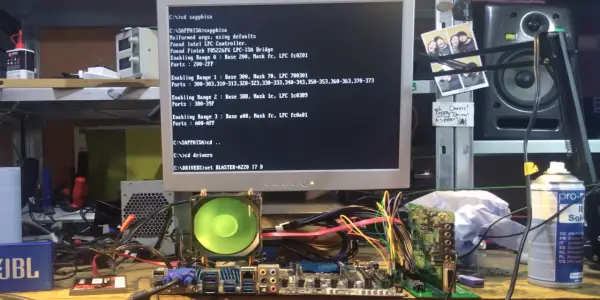
Integrating ISA Ports into Contemporary...

Key Developments in Video Gaming to Anticipate in...

Apple TV Set to Launch Ambitious Sci-Fi Series...

JD Vance Links UFOs to Demonic Entities in...

Security Risks in Microsoft Teams Highlighted by...

Controversy Erupts Over BU Student's ICE Reports...

Judson Althoff to Lead Microsoft Ignite 2025...

Tech News Roundup: Innovations from Samsung and...

NotebookLM Set for Significant Enhancement with...

Syria Initiates Extensive Operation to Eliminate...

Insights from Students Shape the Future of Ada...

Streaming Show Fans Express Discontent Over...

Google's John Mueller Questions the Need for...

Trump's Controversial Remarks on Robert Mueller's...
Instagram's Adam Mosseri Warns of Authenticity...

Critical Vulnerability Exposed in OpenClaw:...

The Disruptive 'Mosquito Buzz' at Shibuya Station...

Netflix Unveils Opening Scene of Stranger Things...

Python Bytes: #459 Updates on Dependency...

Trump Challenges Validity of Biden's Turkey...
The Enigmatic Ado: A Voice that Defies Visibility

New York City Mayor-elect Zohran Mamdani Takes...

Lack of Grand Jury Approval Raises Doubts in...

Reflecting on 'Toy Story': A Milestone in...
Nvidia CEO Warns: Jobs at Risk from AI Users, Not...

Las Cruces Police Chief Calls for Public Support...
New York City Mayoral Election Draws National...
Gamers Criticize NBA 2K for Fashion Updates Amid...

Dispatch Creative Director Critiques Generative...