Rivian CEO Defends Decision Against Apple CarPlay Support
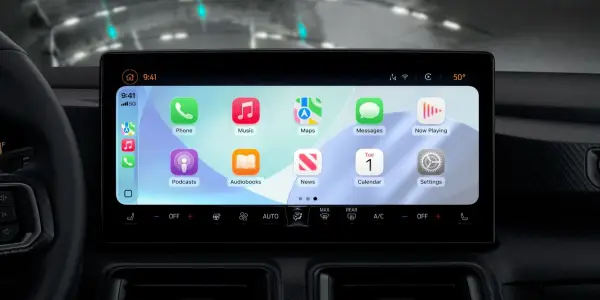
In a recent appearance on the Decoder podcast, Rivian's CEO RJ Scaringe articulated the company's rationale for not incorporating Apple CarPlay, emphasizing a unique user experience driven by proprietary technology.
In-depth analysis
Top trending topics
Rivian's decision to forgo Apple CarPlay is stirring debate in the electric vehicle sector, highlighting a shift towards proprietary technology. CEO RJ Scaringe emphasizes the importance of a controlled driving experience, setting Rivian apart from competitors. The integration of AI into their ecosystem also points to emerging trends in user interaction and vehicle functionality.
Audience engagement
Consumer reactions to Rivian's CarPlay decision are mixed, reflecting a divide among tech-savvy drivers. While some appreciate the focus on a unique driving experience, others express concern over the limitations of not using established platforms.
Industry impact
Rivian's strategy to exclude CarPlay may challenge conventional automotive practices, as it prioritizes a proprietary system over widespread integration. This approach could influence competitors to reassess their technology partnerships and user engagement strategies in the evolving electric vehicle market.
Future trends
As Rivian continues to develop its unique ecosystem, the impact of AI on vehicle functionality will likely shape future industry standards. Companies may increasingly focus on proprietary systems to enhance user experience and differentiate themselves in a competitive landscape.
Did you know?
Why everyone is talking about this
Rivian's choice to bypass Apple CarPlay has sparked a debate about the future of in-car technology. By prioritizing a proprietary system, the company positions itself against industry norms, raising questions about user experience. As electric vehicles become more integrated with technology, consumers must weigh the benefits of tailored ecosystems against the convenience of established platforms. Will Rivian's gamble pay off?
What stays off-camera
Interestingly, Rivian's decision isn’t just about rejecting CarPlay. The company’s focus on developing its own applications means they allocate significant resources toward AI integration, which could redefine how drivers interact with their vehicles. This is a bold step in an industry where many rely on third-party systems.
A day behind the scenes
On a typical day at Rivian, engineers work tirelessly to refine the AI algorithms that will power their vehicles' unique ecosystem. For instance, a team led by software engineer Maya Tran is currently developing a predictive feature that learns from driver behavior to adjust vehicle settings automatically. This level of personalization is a direct response to feedback from early users who expressed a desire for a more intuitive driving experience. The complexity of these systems often remains hidden from consumers, but they are central to Rivian's vision of a seamless, integrated ride.

Taylor Swift's 'The Life of a Showgirl' Sets...
Exploring the Crypt of Civilization: A Time...

Exploring Time Travel and Quantum Concepts with...

Catherine Corcoran Files Lawsuit Against...

Apple TV Set to Launch Ambitious Sci-Fi Series...

The Enigmatic Ado: A Voice that Defies Visibility

Lily Allen Opens Up About Her Heartfelt Album...
Integrating Obsidian, Zotero, and NotebookLM: A...

Emma Barnett Advocates for Open Dialogue on...
Tech Leaders Embrace Controversial Views on Human...

Progressive Voices Gain Traction on Cable News...

New Study Reveals How Personalized Algorithms...

Shifts in ICE Strategy Following Minneapolis...

BBC Presenter Faces Discipline for On-Air...

HBO's 'The Pitt' Sparks Increased Interest in...

Exploring the Significance and Impact of Prayer...

Repeated Legal Setbacks for Jeanine Pirro in Case...

CBS News Faces New Challenges with Bari Weiss at...

NotebookLM Set for Significant Enhancement with...
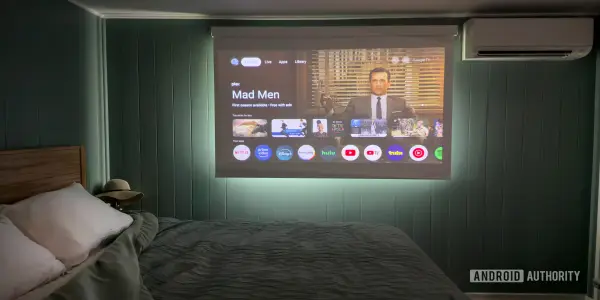
30 Days with a Google TV Projector: A Bedroom...

Gamers Criticize NBA 2K for Fashion Updates Amid...

Syria Initiates Extensive Operation to Eliminate...

Lina Khan Discusses Antitrust Issues on 'The Adam...

Bodycam Footage Challenges CBP's Account of...

New York City Mayoral Election Draws National...

Tech News Roundup: Innovations from Samsung and...
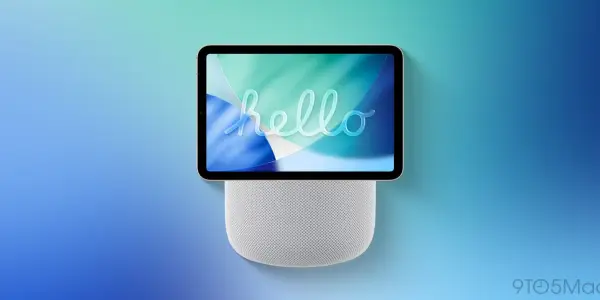
The Anticipation Surrounding Apple's HomePod...

Understanding AI's Role in Education: Insights...
Rivian CEO Defends Decision Against Apple CarPlay...

Top Controllers for Call of Duty: Black Ops 7 —...

Former 'SNL' Writer Critiques Comedy's Cultural...
Nvidia CEO Warns: Jobs at Risk from AI Users, Not...

The Existential Threat of Artificial General...

2025 Nobel Prize in Physics Celebrates Advances...

The Erosion of Democratic Discourse in America
Google's NotebookLM Mobile Introduces Enhanced...

UN Highlights Climate-Induced Displacement as...

Decline in Sales of Trump-Related Books Signals...

Understanding Google's Influence on Headline...
Integrating ISA Ports into Contemporary...