Coast Guard Revises Policy, Classifies Swastikas and Nooses as Hate Symbols

The U.S. Coast Guard has reversed its policy, now classifying swastikas and nooses as hate symbols, responding to criticism over previous leniency in their d...
In-depth analysis
Top trending topics
The recent decision by the U.S. Coast Guard to classify swastikas and nooses as hate symbols has sparked widespread discussion. This policy reversal, prompted by public outcry and political pressure, highlights the ongoing struggle against hate imagery in the military and beyond, reflecting societal shifts towards greater accountability and awareness regarding symbols of oppression.
Audience engagement
Public reaction to the Coast Guard's updated policy has been intense, with many expressing support for the stronger stance against hate symbols. Lawmakers and advocacy groups have actively engaged in discussions, emphasizing the importance of this decision in fostering a more inclusive environment.
Industry impact
The Coast Guard's clarification on hate symbols may set a precedent for other military branches and federal agencies. As similar organizations reassess their policies, this move could lead to a unified approach in combating hate imagery, influencing broader discussions on diversity, equity, and inclusion within the military framework.
Future trends
The Coast Guard's decision signals a potential shift in how hate symbols are addressed across various sectors. As awareness grows, other institutions may adopt stricter policies, reflecting an evolving commitment to combat hate and promote inclusivity in American society.
Did you know?
Why everyone is talking about this
The U.S. Coast Guard's recent decision to classify swastikas and nooses as unequivocal hate symbols marks a pivotal shift in military policy. This change reflects broader societal demands for accountability and a rejection of hate in all forms. Amid rising extremism, the Coast Guard's action signals a commitment to diversity and inclusion, resonating with ongoing national conversations about the role of symbols in perpetuating hate.
What stays off-camera
Before the policy reversal, some within the Coast Guard argued that the initial classification allowed for a dangerous gray area, potentially enabling hate groups to exploit the ambiguity. This internal dissent highlights the complexity of addressing hate symbols within military ranks and the challenges of balancing free expression with a commitment to inclusivity.
A day behind the scenes
In the wake of the policy change, Coast Guard personnel are undergoing additional training to understand the historical contexts of hate symbols. For instance, during a recent training session, Lieutenant Sarah Rivera shared a personal story about her grandfather, a Holocaust survivor. His experiences instilled in her a deep sense of responsibility to confront hate, making the updated policy not just a rule, but a necessary stand against the darkness of history. This training aims to empower service members to recognize and reject hate symbols, reinforcing the Coast Guard's dedication to an inclusive environment.
Maximize Your Use of NotebookLM with These Five...

Google Unveils Gemini 3: A Major Leap in AI...

Exploring Bazzite: A New Contender in the PC...

Insights from Students Shape the Future of Ada...

Shifts in ICE Strategy Following Minneapolis...
New York City Mayor-elect Zohran Mamdani Takes...

Python Bytes: #459 Updates on Dependency...

Decline in Sales of Trump-Related Books Signals...

Tim Cook Engages with President Trump and Tech...
U.S. Start-Up Develops Innovative Lithography...

Sisterly Conflict Erupts Over Wedding Plans as...

Dispatch Creative Director Critiques Generative...

Asteroid 33 Polyhymnia May Contain Elements...

NotebookLM Enhances Android Experience with...

Top Controllers for Call of Duty: Black Ops 7 —...

Google's John Mueller Questions the Need for...
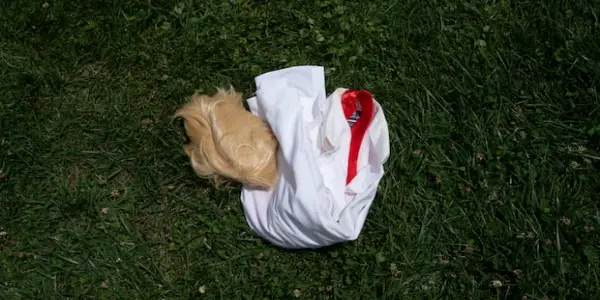
Decline in Popularity of Trump Halloween Costumes...

Tech News Roundup: Innovations from Samsung and...

New York City Mayoral Election Draws National...

Apple TV Set to Launch Ambitious Sci-Fi Series...

Gilmore Girls Stars Discuss Rory's Boyfriend...

Exploring the Rise of Windows 11 Debloating Tools...

Google Launches Early Access for Gemini Voice...

AI-Enhanced Teddy Bear Returns to Market After...

Understanding AI's Role in Education: Insights...

FIA Addresses Controversy Over Marshal...

New Research Offers Effective Method to Safeguard...

Norman Reedus Discusses Daryl Dixon's Connection...

Lily Allen Opens Up About Her Heartfelt Album...

30 Days with a Google TV Projector: A Bedroom...

Critical Vulnerability Exposed in OpenClaw:...

The Erosion of Democratic Discourse in America

Three Mobile Apps to Acquire Lucrative Skills in...

Fox News' Misrepresentation of Portland Protests...

Streamlining Research: A Five-Step Workflow with...

The Importance of Breathwork in Daily Life

Four Essential Superheroes Fans Want in Marvel...

Scott Patterson's Bold Stance on Rory's...