CDC's Recent Messaging Shift on Vaccines and Autism Sparks Outrage Among Experts and Advocates
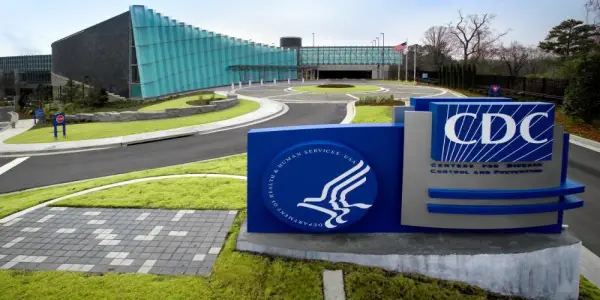
The Centers for Disease Control and Prevention's (CDC) latest statement regarding vaccines and autism has raised concerns about its credibility among public health experts.
In-depth analysis
Recent discoveries
The CDC's recent shift in messaging regarding vaccines and autism has raised significant concerns within the scientific community. Experts are alarmed by the agency's suggestion that the link between infant vaccines and autism has not been definitively ruled out, which contrasts sharply with decades of research affirming vaccine safety and efficacy.
Implications for public health
This change in messaging could have severe repercussions for public health, potentially leading to reduced vaccination rates. Such a decline may result in the resurgence of preventable diseases, posing a risk to community health and safety.
Who is affected
Parents seeking reliable information about vaccinations are particularly impacted by the CDC's revised stance. This uncertainty may lead them to delay or forgo vaccinations for their children, especially in regions where immunization rates are already low.
Potential future studies
Future studies could focus on assessing the long-term effects of the CDC's messaging change on vaccination rates and public perception. Research may also explore the impact of misinformation on health behaviors in various communities.
Did you know?
How this affects your health
The CDC's recent shift in vaccine messaging could have profound implications for public health. Parents may feel uncertain, leading to hesitancy around vaccinations. Reduced vaccination rates can foster outbreaks of preventable diseases, endangering not just individual children but entire communities. It’s crucial to remain informed about vaccines' benefits, especially in an era rife with misinformation.
The scientific surprise
The CDC's reversal on the vaccine-autism connection is a startling departure from decades of robust research. This unexpected message undermines the strong consensus among scientists and public health experts. It raises questions not only about the agency's future credibility but also about the impact on ongoing efforts to maintain high vaccination rates in the U.S.
The doctor and the patient: a personal story
Marcus, 34, from Chicago, always trusted the science behind vaccines. As a new father, he felt reassured by his pediatrician’s strong endorsement of immunizations. However, after the CDC's recent announcement, Marcus found himself wrestling with doubt. He recalled a moment in the waiting room, listening to other parents express their fears. That day, he felt the weight of responsibility; his choice could affect not just his son’s health but the well-being of countless others. Struggling between instinct and information, he ultimately sought clarity, reminding himself of the years of research that supported vaccines, hoping to protect his child and community from preventable diseases.

Fit 31-Year-Old Shares Bowel Cancer Journey,...

Ethiopia Reports Three Fatalities from Marburg...
New Research Identifies Brain Protein as...

Rising Lung Cancer Cases Among Non-Smokers...

New Research Suggests Increased Melanoma Risk...

Florida Doctor's Office Linked to Hepatitis C...

Study Reveals Hidden Risks of Phthalates in...

Study Links Grey Hair to Body's Defense Against...

Innovative 'Superfood' Supplement Aims to Bolster...
Rising H3N2 Flu Variant Sparks Concerns Among...

Microscopic Chips Utilize Immune Cells to Target...

New Study on Hormonal Contraceptives and Breast...

Study Links Soybean Oil to Obesity, Raising...

Remembering Nicole Lynn Allenbaugh: A Life of...

Eight Unique Hobbies Psychologists Recommend for...

Identifying Unconditional Love in Relationships:...

New Government Initiative Aims to Map Human...

New Research Links Mediterranean and Plant-Based...

COVID-19 Resurgence: Current Trends and Symptoms...

UK Man Hospitalized After Consuming Excessive...

Pfizer's mRNA Flu Vaccine Shows Superiority Over...

Understanding Delayed Autism Diagnoses: New...

Chronic Wasting Disease Resurfaces in Florida,...

MIT Research Uncovers Cysteine's Role in Gut...

New Experimental Drug Shows Potential in...

Frequent Short Walks Outshine Long Morning...

Engaging in Creative Activities Linked to Younger...

Fiji Faces Alarming Surge in HIV Cases Linked to...

Promising Research Offers Hope for Osteoporosis...

Genetic Mutations in Sperm Increase with Age,...

UK Launches Largest Prostate Cancer Screening...

Semaglutide Drugs Like Ozempic Reduce Intrusive...

UK Regulator Signals Major Overhaul for Rare...

New Study Reveals Vitamin D2 Supplements May...
New Imaging Technique Unveils Brain's Pulsatile...

Study Links GLP-1 Medications Such as Ozempic to...

Dietary RNA Molecules Show Promise in Promoting...
Understanding Freshers' Flu: The Challenge for...

Concerns Rise as ACIP Meeting Set to Revisit...

Understanding Dry Mouth: Insights from Dental...