Study Reveals Psilocybin's Potential to Alter Brain Connectivity in Depression Treatment
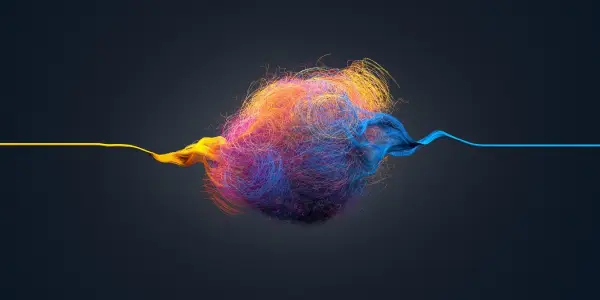
Research utilizing a modified virus has illuminated the mechanisms by which psilocybin may disrupt depressive thought patterns in mice, offering insights into its therapeutic effects.
In-depth analysis
Recent discoveries
Recent research from Cornell University has revealed that psilocybin, a compound in certain mushrooms, can significantly alter brain connectivity, disrupting negative thinking patterns associated with depression. Utilizing a specially engineered rabies virus, scientists tracked changes in neural pathways in mice after psilocybin administration, suggesting potential therapeutic effects for human depression treatment.
Implications for public health
The findings could transform public health strategies by introducing psilocybin as a viable alternative to traditional depression treatments, addressing the limitations of existing therapies and potentially improving outcomes for millions affected by this condition.
Who is affected
Over 300 million individuals globally suffer from depression, a leading cause of disability. This research primarily impacts those who have not responded to conventional treatments, offering new avenues for relief and improved mental health outcomes.
Potential future studies
Future studies are anticipated to explore the effects of psilocybin in human subjects, particularly its integration with neuromodulation techniques like magnetic stimulation, aiming to refine treatment approaches for depression and other mood disorders.
Did you know?
How this affects your health
The emerging research on psilocybin highlights its potential to disrupt entrenched negative thought patterns, offering a glimmer of hope for individuals struggling with depression. By targeting the brain's connectivity, this approach may provide a more effective alternative for those who find little relief from traditional therapies, ultimately reshaping how mental health issues are addressed.
The scientific surprise
The use of a rabies virus to map brain changes in response to psilocybin is a groundbreaking approach. This innovative methodology not only sheds light on the drug's mechanisms but also opens new avenues for understanding how substances can influence neural pathways, potentially revolutionizing treatment strategies for a range of mental health disorders.
The doctor and the patient: a personal story
Marcus, 34, from Chicago, had battled depression for years, feeling trapped in a cycle of despair. Traditional antidepressants brought little relief, leaving him frustrated and hopeless. After learning about psilocybin therapy, he decided to participate in a clinical trial. During his sessions, Marcus felt a profound shift; the heavy fog of negative thoughts began to lift. He vividly recalls one moment, sitting in a serene room, where he felt a connection to his surroundings that he hadn't experienced in years. The therapy not only helped him confront his past but also ignited a sense of possibility for the future. With each session, Marcus found himself rewiring his thoughts, embracing life in a way he thought was lost forever.
MIT Research Uncovers Cysteine's Role in Gut...

Ten Hobbies to Enrich Your Retirement Years

Loneliness Among Young Adults: A Growing Concern...

Exploring the Health Benefits of Black Tea: Six...

Transformed Puppy Overcomes Severe Skin Condition...


Significant Number of CDC Vaccination Databases...

Breakthrough Study Reveals Potential Pathway to...

Struggling with a Rare Disease, 25-Year-Old Woman...

Maine Faces Urgent HIV Crisis as Federal...

New Study on Hormonal Contraceptives and Breast...

Fit 31-Year-Old Shares Bowel Cancer Journey,...

Understanding Insomnia: A Habit That Can Worsen...

Chronic Wasting Disease Resurfaces in Florida,...

Pelvic Girdle Pain: The Hidden Challenge for One...
New Study Challenges Effectiveness of Lecanemab...

Understanding the Recurrence of Urinary Tract...

FDA Removes Black Box Warnings on Hormone...

Timing of Cancer Treatments May Influence Patient...
Innovative Approach to Childhood OCD Launched by...

Concerns Rise as ACIP Meeting Set to Revisit...

COVID-19 Resurgence: Current Trends and Symptoms...

Microplastics Linked to Atherosclerosis in Male...

Study Links Blood Caffeine Levels to Body Fat and...

How Your Dental Health Can Reflect Broader Health...

New Study Suggests Walking as Few as 3,000 Steps...

The Surge of Weight-Loss Medications in India: A...

Pet Vaccination Skepticism Rises Amid Growing...

Newly Discovered Antibiotic Shows Potential...

Recent Study Raises Concerns About Fruits and...

Remembering Nicole Lynn Allenbaugh: A Life of...
Harvard Study Uncovers Gut Molecules That May...

Study Reveals Hidden Risks of Phthalates in...

Understanding Food Spoilage: The Risks of Moldy...

Rising Lung Cancer Cases Among Non-Smokers...

How Diet Influences Body Odor and Attractiveness

Addressing the Testosterone Decline in Men: 15...
Rising H3N2 Flu Variant Sparks Concerns Among...

Research Reveals How Ozempic Affects Alcohol...

Prisma Health Implements Temporary Restrictions...