Recent Study Raises Concerns About Fruits and Vegetables' Link to Lung Cancer
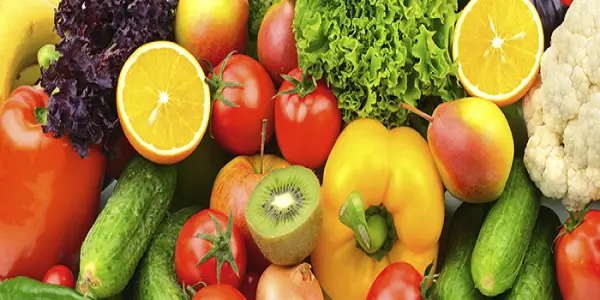
Experts criticize a new study suggesting fruits and vegetables may increase lung cancer risk, citing methodological flaws and lack of peer review.
In-depth analysis
Recent discoveries
A recent study presented at the American Association for Cancer Research conference has raised eyebrows by suggesting a possible association between high consumption of fruits, vegetables, and whole grains and lung cancer risk. Led by Jorge Nieva, the research analyzed data from non-smokers with lung cancer, revealing unexpected deviations from established nutritional norms.
Implications for public health
The study's findings, if validated, could undermine decades of public health messaging that promotes a diet rich in fruits and vegetables, potentially leading to confusion and fear among consumers regarding healthy eating.
Who is affected
Non-smokers, particularly those with specific genetic mutations linked to lung cancer, are directly impacted by this research. The study's implications may affect dietary choices for individuals concerned about cancer risk, as well as influence broader public perceptions of healthy eating.
Potential future studies
Future research should aim to address the methodological flaws identified in this study, including larger sample sizes and the inclusion of control groups, to provide clearer insights into the relationship between diet and lung cancer risk.
Did you know?
How this affects your health
The recent study's assertion that fruits, vegetables, and whole grains might increase lung cancer risk could provoke unnecessary anxiety among health-conscious individuals. While it's essential to remain informed about dietary impacts, it's crucial to view such claims critically. A well-rounded diet rich in these foods has long been associated with lower cancer rates, and panic over preliminary findings could lead to harmful dietary choices.
The scientific surprise
The unexpected suggestion that healthy foods could contribute to lung cancer challenges long-held beliefs about nutrition. This study underscores the complexity of dietary science and genetic factors in cancer development. While intriguing, the findings highlight the need for rigorous research before altering our understanding of the protective benefits of fruits, vegetables, and whole grains.
The doctor and the patient: a personal story
Marcus, 34, from Chicago, was always passionate about healthy eating. After being diagnosed with lung cancer last year, he meticulously tracked his diet, focusing on fruits and vegetables. When he heard about the new study linking these foods to cancer risk, panic set in. 'Did I do this to myself?' he wondered. His oncologist, Dr. Patel, reassured him that while diet is important, cancer is multifactorial. Together, they discussed the importance of maintaining a balanced approach to nutrition. Marcus realized that the emotional toll of such studies can be as challenging as the disease itself, but he chose to focus on what he could control: a healthy, balanced diet that nourished both body and spirit.
Expert Commentary

Newly Discovered Antibiotic Shows Potential...

The Surge of Weight-Loss Medications in India: A...

Rising Lung Cancer Cases Among Non-Smokers...

Significant Number of CDC Vaccination Databases...

Ethiopia Reports Three Fatalities from Marburg...

Wilson Middle School Temporarily Shuts Down Due...

Food Preservatives Linked to Increased Cancer and...

Pet Vaccination Skepticism Rises Amid Growing...
Alzheimer's Disease May Originate from...

Timing of Cancer Treatments May Influence Patient...
Rising H3N2 Flu Variant Sparks Concerns Among...


New Study Suggests Walking as Few as 3,000 Steps...

Understanding the Recurrence of Urinary Tract...
Davis County Reports First Measles Case Amid...

FDA Removes Black Box Warnings on Hormone...

Pfizer's mRNA Flu Vaccine Shows Superiority Over...

Potential of mRNA Technology in Medicine Faces...

The Items Women Turn to When Facing Emotional...

Remembering Nicole Lynn Allenbaugh: A Life of...

Pelvic Girdle Pain: The Hidden Challenge for One...

Potential Risks of Apple Cider Vinegar: Experts...

Florida Health Department Proposes Repeal of...

Microplastics Linked to Atherosclerosis in Male...
New Study Challenges Effectiveness of Lecanemab...

Understanding Food Spoilage: The Risks of Moldy...

Essential Nutrients for Brain Longevity: Insights...

Struggling with a Rare Disease, 25-Year-Old Woman...

UK Regulator Signals Major Overhaul for Rare...

New Experimental Drug Shows Potential in...

New Research Links Mediterranean and Plant-Based...
Post-Pandemic Trends: Low Rates of STDs and Flu...

The Case for a National Leucovorin Registry to...

Harvard Study Uncovers Gut Molecules That May...

Toddler Overcomes Grim Cancer Diagnosis, Defies...

Health Alert Issued in Jalisco Amid Measles...

Measles Outbreak in Buncombe County Linked to...

Long-Term Melatonin Use Linked to Increased Heart...

Evaluating Sweeteners: A Nutritionist's Insight...

Breakthrough Study Reveals Potential Pathway to...