New Study Reveals Slime Mold's Unique Decision-Making Process Without a Brain
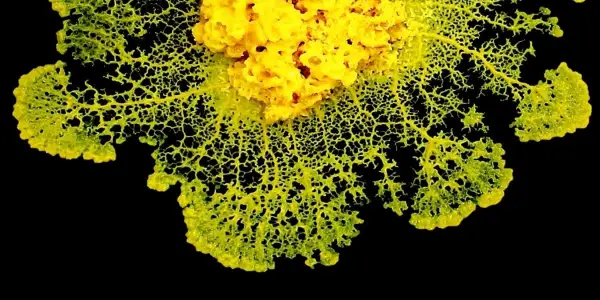
Researchers uncover how slime molds navigate their environment and make decisions without a nervous system.
In-depth analysis
Recent discoveries
The latest research on slime molds reveals their extraordinary decision-making capabilities, challenging traditional views of intelligence. Conducted by scientists from Germany and the U.S., the study uncovers how Physarum polycephalum adapts to its environment through rhythmic contractions, allowing for efficient navigation and escape from barriers, even in the absence of a nervous system.
Implications for public health
Understanding the adaptive mechanisms of slime molds may influence public health strategies by providing insights into decentralized decision-making processes relevant to biological systems, potentially informing approaches to complex health challenges.
Who is affected
Researchers in fields such as biology, robotics, and artificial intelligence are particularly impacted by these findings. The study's implications extend to anyone interested in the mechanics of decision-making and adaptive behavior in living organisms, as well as those developing technologies inspired by natural systems.
Potential future studies
Future research could explore the application of slime mold behavior in artificial intelligence and robotics, investigating how decentralized decision-making can enhance problem-solving strategies in complex environments, potentially leading to innovative technological advancements.
Did you know?
How this affects your health
Understanding the decision-making abilities of slime molds can shift our perspective on biological intelligence, encouraging a holistic view of health. Just as these organisms adapt and thrive in their environments, individuals can learn to navigate complex health challenges through adaptive strategies. This insight fosters resilience, emphasizing that health is not solely about biological factors but also about how we respond to our surroundings.
The scientific surprise
The most astonishing revelation from this study is that slime molds exhibit problem-solving skills without a brain, challenging traditional notions of intelligence. Their ability to navigate environments and make decisions based on mechanical responses rather than conscious thought opens up new avenues for understanding cognition, suggesting that intelligence may not be exclusive to complex organisms.
The doctor and the patient: a personal story
Marcus, 34, from Chicago, once felt lost in his health journey. Diagnosed with a chronic condition, he often felt overwhelmed by the myriad treatment options. Inspired by slime molds' ability to adapt, he began applying similar principles to his life. He started small, making incremental changes to his diet and exercise routine, adapting based on what felt right for his body. Over time, these adjustments led to significant improvements. Just as slime molds navigate obstacles with persistence, Marcus learned that resilience and adaptability could transform his health, instilling a newfound sense of control over his condition.
Expert Commentary

Man's Experience with GLP-1 Medication Ends in...

Maine Faces Urgent HIV Crisis as Federal...

The Items Women Turn to When Facing Emotional...

The Surge of Weight-Loss Medications in India: A...

The Case for a National Leucovorin Registry to...

Health Alert Issued in Jalisco Amid Measles...

Chronic Wasting Disease Resurfaces in Florida,...

Food Preservatives Linked to Increased Cancer and...

Study Links Grey Hair to Body's Defense Against...

Pet Vaccination Skepticism Rises Amid Growing...


Florida Health Department Proposes Repeal of...

Potential of mRNA Technology in Medicine Faces...

Frequent Short Walks Outshine Long Morning...

How Diet Influences Body Odor and Attractiveness

New Study Questions Efficacy of Omega-3...

Golden Retriever's Hilarious Reaction to Late...

Rising Lung Cancer Cases Among Non-Smokers...

Exploring the Health Benefits of Black Tea: Six...

Long-Term Melatonin Use Linked to Increased Heart...
Harvard Study Uncovers Gut Molecules That May...

Understanding Muscle Growth: A Comprehensive Guide

Experts Warn of Potential Human Pandemic from...

The Impact of Gut Health on Menopause Symptoms:...

Experts Warn of Potentially Severe Flu Season...

Research Reveals How Ozempic Affects Alcohol...

Microplastics Linked to Atherosclerosis in Male...

Understanding Food Spoilage: The Risks of Moldy...

New Study on Hormonal Contraceptives and Breast...

Study Reveals Misinformation About Sunscreen...

Newly Discovered Antibiotic Shows Potential...

Breakthrough Study Reveals Potential Pathway to...

Understanding Insomnia: A Habit That Can Worsen...

Emerging H3N2 Variant Raises Concerns for Winter...

Exploring Testosterone Enhancement: Natural...

Rising H3N2 Flu Variant Sparks Concerns Among...

Addressing the Testosterone Decline in Men: 15...

New Study Suggests Walking as Few as 3,000 Steps...

Davis County Reports First Measles Case Amid...

Essential Nutrients for Brain Longevity: Insights...